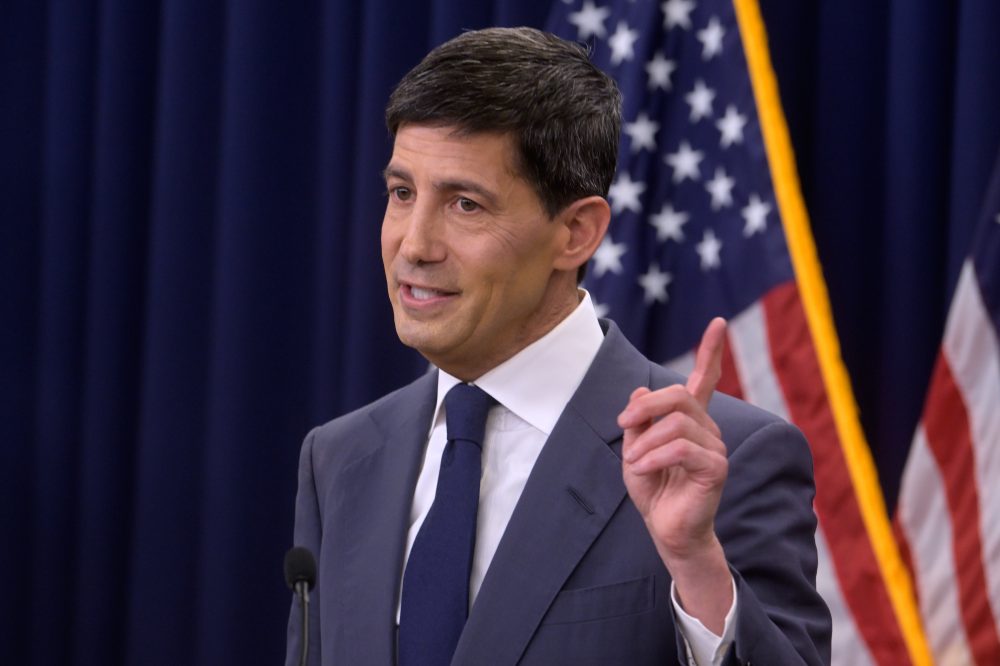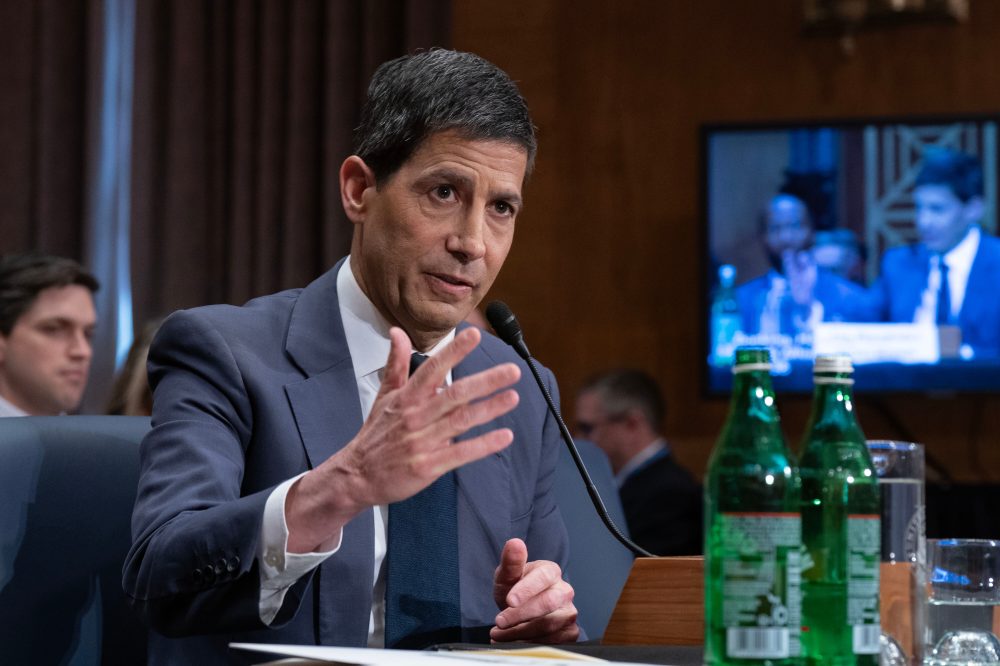

WASHINGTON — A Senate committee moved President Donald Trump’s choice to head the Federal Reserve one step closer to confirmation Wednesday, approving Kevin Warsh’s nomination in a split vote along party lines.
Republican senators supported Warsh’s nomination 13-11, while Democratic members opposed his selection to replace current Federal Reserve Chairman Jerome Powell, who has faced repeated criticism from Trump over interest rate policies.
Warsh previously served as a senior Federal Reserve official but has become a vocal critic of both the institution and Powell’s management. He has described the 2022 inflation surge that reached 9.1% as the central bank’s most significant policy error in 40 years. While a full Senate vote likely won’t occur until February, confirmation could happen before Powell’s chairmanship expires on May 15.
Wednesday’s banking committee decision coincides with what may be Powell’s final meeting leading the Fed’s rate-setting panel. During an afternoon press conference, Powell might reveal whether he plans to continue serving on the central bank’s board of governors once his chairman role concludes.
Though it would be uncommon for Powell to remain, such a move would prevent the Trump administration from naming a replacement board member. Powell might choose to stay if he believes it’s essential for preserving the Fed’s independence, which has become a defining aspect of his tenure.
Committee Chairman Tim Scott, the South Carolina Republican, praised Warsh as “battle tested” and stated, “It is incredibly important that we break the bind of Bidenomics on households across this nation.”
Massachusetts Democrat Elizabeth Warren condemned the committee’s action on Warsh’s nomination, arguing it “will bring the president one step closer to completing his illegal attempt to seize control of the Fed and artificially juice the economy.” She referenced Trump’s efforts to remove Fed governor Lisa Cook and investigate Powell.
The Federal Reserve is expected to maintain its benchmark rate at approximately 3.6% for the third consecutive meeting Wednesday, going against Trump’s demands for lower rates.
Warsh has advocated for “regime change” at the Fed and might modify numerous institutional practices, including economic modeling approaches, public communication strategies, and long-term bond portfolio size.
While such modifications could impact financial markets, they may not be immediately apparent to ordinary Americans. However, Warsh has supported additional rate reductions, which could potentially decrease costs for home mortgages, car loans, and business financing. He faces obstacles to implementing quick cuts, primarily because the Iran conflict has driven up gas prices, pushing inflation to a two-year peak of 3.3%.
The Federal Reserve generally maintains or increases rates when confronting rising inflation.
The majority of the remaining 11 rate-setting committee members have signaled they prefer to assess inflation and economic trends before adjusting rates. Building sufficient influence to advocate for swift rate cuts may require time for Warsh. He will also succeed Stephen Miran, a Trump appointee from September who has been the most consistent voice for rate reductions on the committee.
Questions about Warsh’s independence from the White House persist, an issue that dominated his Senate Banking hearing last week. Warren said Wednesday, “Mr. Warsh is a Trump sock puppet who is so cowed by the president that he could not even say that Trump lost the 2020 election.”
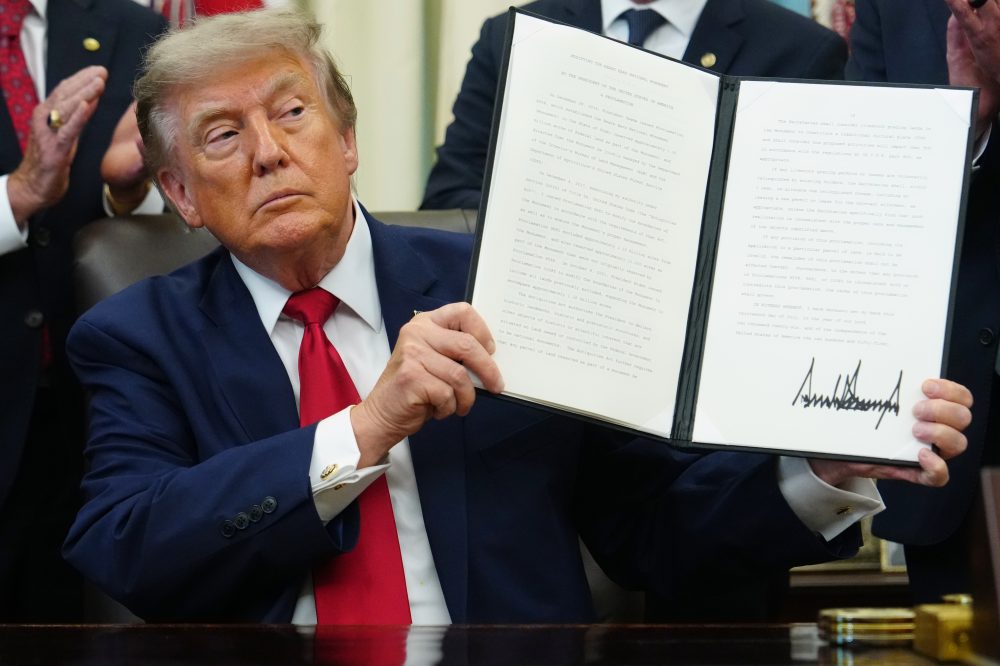
Trump posted on social media in December calling for significantly lower interest rates, adding that “anyone who does not agree with me will never be Fed chair!” Last week, he told Fox Business he anticipates rates declining “when Kevin gets in.”
During his confirmation hearing, Warsh denied that Trump had ever directly pressured him to reduce rates.