
During a television interview with Fox News host Sean Hannity, Secretary of State Marco Rubio detailed four specific military targets the United States has established in its campaign against Iran, explaining how these objectives support broader American foreign policy strategy.
Speaking to Hannity, Rubio outlined the comprehensive approach: “We are going to destroy their air force. We have largely done that. We were going to destroy their navy, which we have largely achieved that. We were going to destroy a significant percentage of their missile launchers. We are well on our way to achieving that. And we were going to wipe out their defense industrial base, meaning the factories that make the drones and the missiles. We are on our way to doing that.”
According to Rubio, these military goals serve a strategic purpose in blocking Iran’s path to nuclear weapons development. “Those were our four objectives because those were the four things they were going to hide behind to then develop a nuclear weapon and threaten the world if they tried to do anything about it,” he explained during the interview.
The Secretary of State expressed confidence in the mission’s progress, stating the U.S. is “on or ahead of schedule on each of those four objectives” and noted, “we can see the finish line.”
Rubio highlighted Iran’s uranium enrichment activities as a major security threat, pointing to their stockpile of 60% enriched uranium. “There is no use for 60% enriched uranium … The only reason to have it is to be able to enrich it to 90% and put it in a bomb,” he stated.
The Secretary also warned about Iran’s developing missile technology and its potential threat to American territory. “They were moving towards eventually having a missile that could reach the continental United States,” Rubio said.
While maintaining military pressure, Rubio indicated the Trump administration would consider diplomatic solutions under certain conditions. “We’re always going to be open for that … but we’re not going to allow fake negotiations to be used as a delay tactic,” he explained.
Beyond Iran, Rubio addressed concerns about NATO’s effectiveness, suggesting a review of the alliance may be necessary. “We are going to have to re-examine whether or not this alliance … is still serving that purpose, or is it now become a one-way street,” he said, referencing disagreements over military base access and flight permissions.
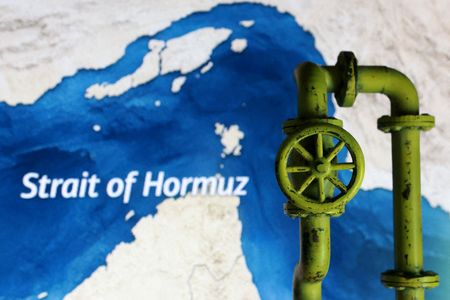
Regarding maritime security, Rubio warned that Iranian interference with commercial shipping through the Strait of Hormuz would constitute a violation of international law. “Anything Iran does to impede commercial traffic is illegal,” he declared.
The Secretary also touched on developments in Latin America, describing Venezuela as entering a “recovery phase” following recent stabilization measures. He reported that oil revenues are now flowing through American-controlled accounts for public benefit, hundreds of political prisoners have been freed, and a detention facility has been shuttered.