
A Moscow car dealership is struggling to keep pace with a sudden surge in demand for electric vehicles, as Russian drivers look for ways to avoid a growing fuel crisis marked by long lines and rapidly rising prices.
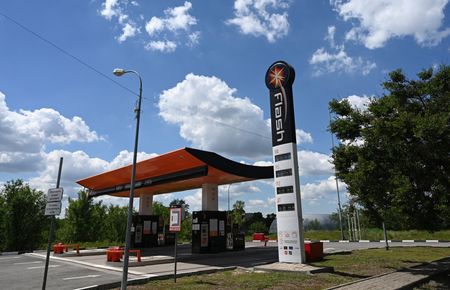
Ukrainian attacks on Russian energy infrastructure have tightened gasoline and diesel supplies in recent weeks, leading to fuel restrictions across most of the country. Reuters calculations show that retail gasoline prices in some parts of Russia have climbed to among the highest levels found anywhere in Europe.
While Russia’s enormous geography, extreme weather, and sparse network of charging stations have historically slowed EV adoption, the ongoing fuel difficulties are pushing more drivers to consider making the switch.
EN Cars, a dealership specializing in Chinese vehicle brands, has seen its daily EV sales jump from two or three per month to two or three per day in just a matter of weeks. Founder Yevgeniy Zabelin shared those figures with Reuters on Wednesday.
“Since the fuel situation became complicated, demand has grown many times over,” Zabelin said, noting that buyers are showing interest in both affordable and high-end models.
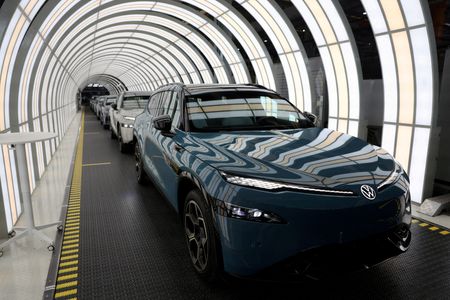
Inside the showroom, potential buyers were browsing electric SUVs produced by Chinese automaker Geely.
The trend was already building before the latest crisis. Fuel prices rose more than 12% year-over-year between January and May, and EV interest was already climbing. According to analytical agency Autostat and Russia’s Ministry of Industry and Trade, about 24,600 new plug-in hybrids were sold in the first five months of the year — a 125% increase compared to the same period last year. Sales of fully electric vehicles rose 19% to 4,460 units.
The pace picked up even more in June as fuel shortages deepened. Autostat chief Sergei Tselikov reported that 1,754 new plug-in hybrids were registered in a single week last week — nearly a third more than the week before and roughly 50% above the average weekly rate seen so far this year.
The country’s charging infrastructure is also expanding. According to digital map service 2GIS, the number of charging stations in Russia grew by 20% in the year leading up to July 2026.
One dealership customer named Vasiliy said he was glad he had already purchased both a hybrid and a fully electric vehicle. “Especially in the current situation, I haven’t had any problems at all,” he said with a laugh, though he was skeptical that the broader wave of interest would hold for long.
“I live in a private house in the countryside. I have installed my own charging station and charge at home. In Moscow it is a real problem, to charge properly,” he added.
Despite the recent growth, EVs and plug-in hybrids combined made up just 4.3% of total car sales in Russia last year, according to Autostat.