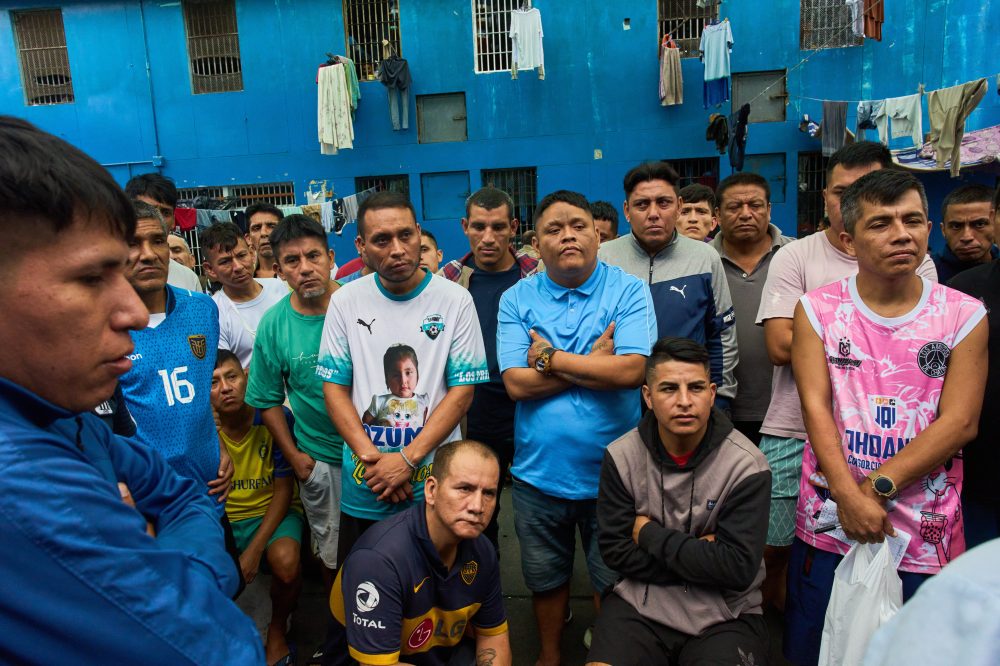

The city of Trujillo in Peru is grieving for victims lost to violent criminal activity that has swept through this urban center. Local entrepreneurs face mounting challenges as gang-related extortion spreads throughout numerous communities across this South American nation.
Public safety concerns have become a dominant issue as Peru approaches its presidential runoff election this Sunday, affecting how citizens conduct their everyday activities and view their nation’s prospects.
Statistics reveal a dramatic escalation in criminal activity over recent years. Extortion incidents have multiplied five times in the last half-decade, with nearly 29,000 cases documented in 2025. Homicides have similarly escalated, more than doubling during this timeframe, as officials report 2,226 fatalities occurred in the previous year.
Organized crime syndicates are increasingly focusing on small-scale entrepreneurs, including transportation workers, marketplace sellers, and various business operators, forcing them to make routine payments to continue their operations.
The consequences reach well beyond financial damage. Throughout Peru, citizens report experiencing persistent feelings of insecurity as explosive attacks, abductions, murders, and intimidation tactics have escalated dramatically.
Nearly every Peruvian appears to have personal connections to criminal victimization. Community members and family members have faced extortion demands to maintain their businesses, or have suffered kidnapping or murder.
Discovering bodies in public areas or recovered from remote locations has become a regular occurrence.
Certain districts see businesses posting markers showing they comply with extortion demands, while other establishments spend significant amounts on private protection services due to insufficient police coverage.
Specialists in public safety link the expansion of criminal organizations to revenue from unauthorized mining operations and additional illegal enterprises, combined with persistent underfunding of police investigative departments and obsolete equipment. They additionally cite recent legislative modifications that have complicated authorities’ ability to arrest suspects, confiscate criminal proceeds, and eliminate criminal organizations.