
Stephanie Bernaba describes herself as someone who is “not the best person with bugs and stuff,” so she never expected to transform into an adventure-seeking parent.
However, the 47-year-old mother of three has embraced outdoor activities as rising gas prices and travel expenses make distant vacations increasingly costly. Instead of the far-off destinations her family once visited, Bernaba has been directing them toward nearby coastal areas, cycling paths, and nature trails close to their coastal Rhode Island residence.
“I’ve been trying to do more of that because one, it’s quality time. Two, it’s fresh air. And three, we’re not spending an arm and a leg,” she said.
This type of adjustment is influencing the summer vacation season, which traditionally kicks off in America with the extended Memorial Day weekend. Elevated fuel costs stemming from the Iran war and additional inflationary forces are driving up transportation expenses across the board as people worldwide make their travel arrangements.
The U.S. Travel Association anticipates yearly travel expenditures will increase by just 1% this year, driven mainly by domestic recreational travel even though the FIFA World Cup provides international soccer enthusiasts with motivation to visit America. Flight costs have risen globally alongside jet fuel prices as the conflict limits worldwide oil availability.
Choosing nearby destinations may not provide relief from higher costs. The nonprofit Institute on Taxation and Economic Policy calculated that Americans would spend a combined additional $3.5 billion on fuel during the holiday weekend. Regular gasoline averaged $4.56 per gallon nationwide on Thursday, up from $3.18 twelve months ago, motor club AAA reported.
Additional travel-related costs have increased as well. Recent consumer price data revealed flight prices jumped 20.7% in April compared to the previous year, local transportation like buses and subways increased 5.6%, accommodation expenses rose 4.3%, and restaurant meals became 3.6% more expensive.
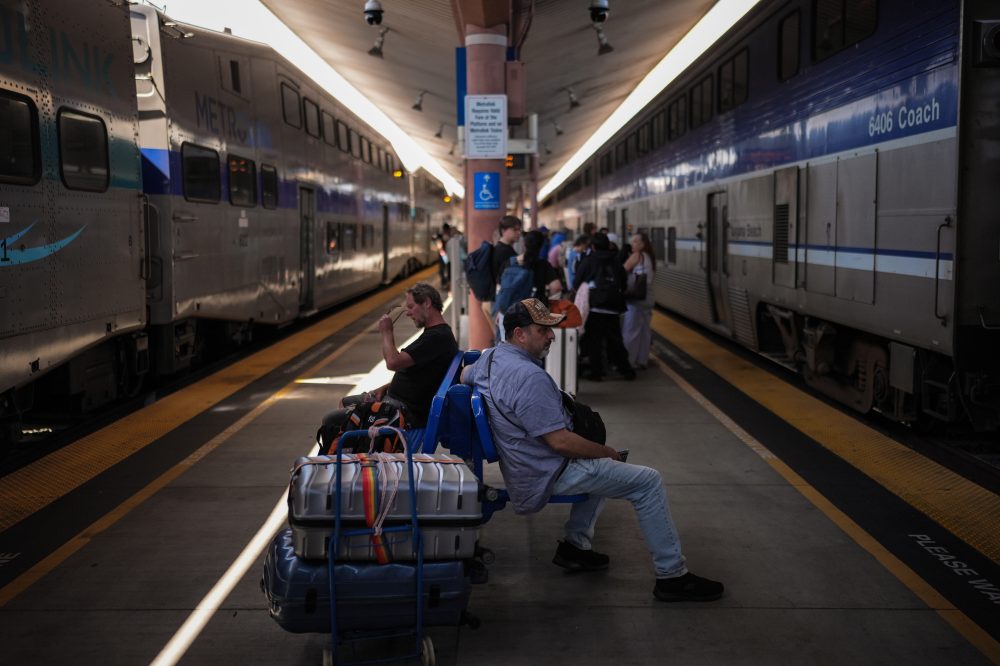
Even with higher prices, industry predictions indicate Americans remain eager to travel, though they may replace extended trips with brief getaways, select closer destinations, and find cost-cutting methods like preparing their own meals or using public transportation instead of personal vehicles.
AAA forecasted that 45 million Americans would journey at least 50 miles from their homes between Thursday and Monday. The Transportation Security Administration announced it anticipates screening 18.3 million travelers from Thursday through next Wednesday.
Numerous families are organizing summer getaways while making compromises like briefer stays or less expensive accommodations, Bank of America analysts noted. Mastercard indicated in a recent study that customers seemed increasingly value-conscious and were modifying their destinations and schedules rather than canceling trips entirely.
“Generally, it’s certainly more of a demand reshuffling than a demand softening,” David Tinsley, a senior economist at Bank of America Institute, said.
For the Bernaba household, this has resulted in exchanging an extensive vacation for a brief nearby trip this summer. Their reduced itinerary remains expensive: over $400 for ferry transportation to Martha’s Vineyard for their vehicle and family members, plus approximately $800 nightly for each of the two hotel rooms their family of five requires.
A second family that had intended to accompany them withdrew after learning the costs.
“The pinch is being felt all the way around,” Bernaba said.
Experts have progressively characterized travel expenditures as “K-shaped,” with wealthy families maintaining their spending while lower-income households reduce expenses or avoid travel completely. Bank of America found that families with limited incomes were much more likely to indicate having no summer vacation plans this year.
Vacationers face additional challenges beyond financial concerns.
Airlines worldwide have eliminated flights and reduced schedules to conserve fuel and operational expenses, providing travelers with fewer choices. Recent government shutdowns that created significant flight delays and extended security wait times likely remain in travelers’ memories. Middle Eastern conflicts and broader international tensions create additional worry, particularly for those considering overseas trips.
The multiple elements affecting travel currently have made trip planning more mentally demanding and may be steering people toward simpler and more reachable vacations that seem easier to coordinate, said Marta Soligo, a tourism sociologist at the University of Nevada, Las Vegas.
“The key word here is unpredictability,” Soligo said. “Tourists don’t like unpredictability.”
Jim Wang, a personal finance blogger residing in Maryland with his spouse and four children, explained his family’s initial plan to visit Spain for a complete solar eclipse in August started falling apart once they examined the details.
In addition to thousands of dollars for airfare, the journey would have involved multiple flight connections, plus vehicle rental to reach northern Spain, where the eclipse’s path of totality was expected.
“It’s like, ‘Oh, I don’t know if I want to see the eclipse that much,’” Wang said.
Wang’s family instead plans to visit the Lake Tahoe region between California and Nevada this summer, where they can use a relative’s cabin at no cost, explore hiking trails, and experience a relaxed atmosphere with limited cellular coverage. His spouse’s parents and sister plan to join them.
“We’re still going to travel. It’ll just be different,” Wang said. “The vacations are no longer as grand for the adults. But for our kids, it’s still exciting.”
Nancy McGehee, a Virginia Tech hospitality professor who researches consumer behavior, noted that travelers are placing greater emphasis on the “why than the where” regarding vacations.
“What we’re seeing is people are saying, ‘Alright, we can’t do that big splashy trip we wanted to do, but what else can we do?’” McGehee said. “It’s more quality over quantity that we’re seeing people go for.”
Back in Rhode Island, Bernaba has come to terms with the fact that travel may appear different for her family for some time.
“I think that’s probably why my mind has gone to doing more nature-y things,” she said. “Let’s learn how to use the earth to enjoy ourselves because that’s not going to cost as much money.”