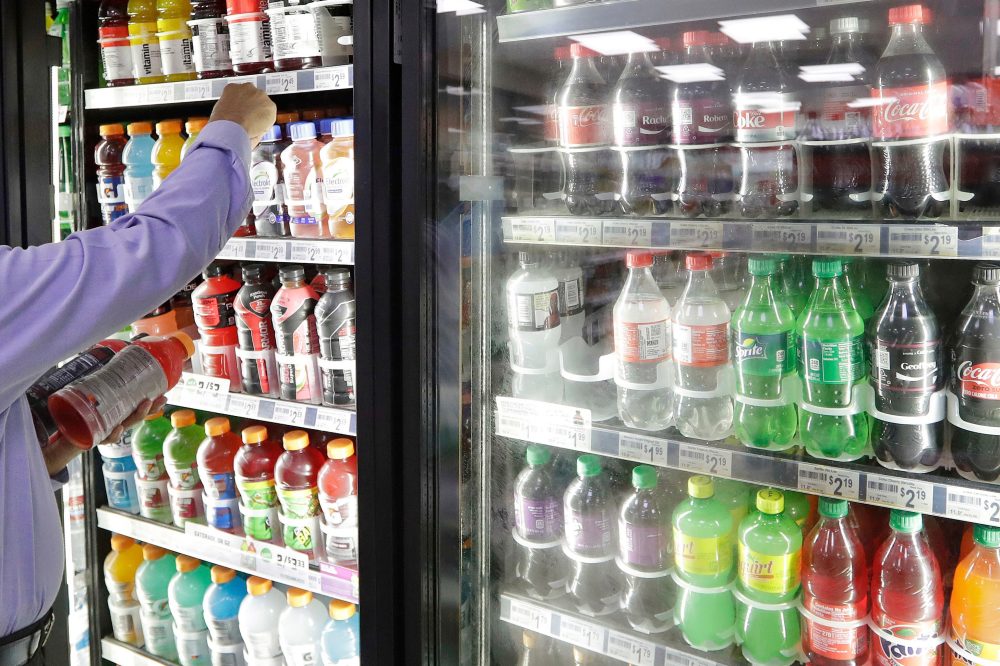

WASHINGTON — Federal officials are preparing to roll back regulations governing refrigerants used in grocery store cooling systems and air conditioning equipment, with administration leaders claiming the move will help reduce food costs for consumers.
EPA Administrator Lee Zeldin described the previous administration’s regulations as burdensome restrictions that dictated which types of refrigerants American businesses and consumers could utilize.
The updated policy will “allow businesses to choose the refrigeration systems that work best for them, saving them billions of dollars. This will be felt directly by American families in lower grocery prices,” Zeldin stated ahead of a White House ceremony Thursday where President Donald Trump plans to unveil these modifications. Representatives from Kroger, Piggly Wiggly and additional grocery retailers are anticipated to attend the announcement.
As public anxiety over living expenses intensified before crucial November elections, the Republican administration is working to tackle affordability challenges. However, it remains uncertain how significantly or rapidly these refrigerant regulation changes might reduce food prices.
U.S. inflation climbed to 3.8% on an annual basis in April, driven by price increases linked to the Iran conflict and President Donald Trump’s extensive tariff policies. Inflation is currently exceeding wage growth as the ongoing war has maintained elevated oil and gas costs.
This regulatory shift marks a departure from Trump’s first presidential term, when he enacted legislation designed to cut harmful, climate-warming emissions from refrigeration and air conditioning systems. That bipartisan initiative united environmental advocates and major corporate interests in unusual agreement on the divisive climate change topic, earning widespread political support.
The 2020 legislation represented broad cross-party agreement on rapidly eliminating domestic hydrofluorocarbon usage, or HFCs, which are thousands of times more powerful than carbon dioxide as greenhouse gases and are viewed as significant contributors to global warming.
This EPA decision underscores the current Trump administration’s commitment to dismantling regulations viewed as environmentally focused. The initiative is part of extensive environmental policy changes that Zeldin has described as placing a “dagger through the heart of climate change religion.”
Environmental groups have condemned the administration’s proposals, arguing that a rule announced last year would worsen climate pollution while disrupting the industry’s multi-year shift toward alternative coolants to replace HFCs.