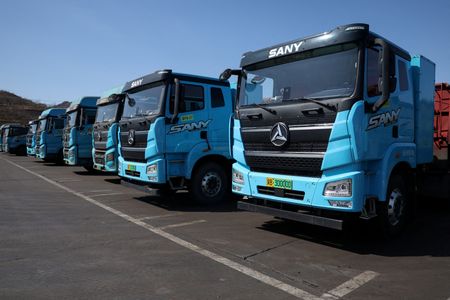

Rising diesel costs stemming from the Iran conflict are pushing Chinese companies to rapidly embrace electric heavy trucks, creating a significant shift in the world’s largest oil-importing nation.
The transition from diesel to electric commercial vehicles has gained remarkable momentum, with electric heavy trucks capturing nearly one-third of new truck sales in 2025. This growth has been fueled by government incentives, affordable charging options, and an expanding network of charging stations. Much of last year’s expansion occurred in the final quarter as purchasers rushed to take advantage of trade-in subsidies they believed would soon expire.
This year has started with similar enthusiasm, as new-energy heavy truck sales – predominantly electric models – jumped 45% compared to the same period last year, reaching 44,000 units. These vehicles now represent more than 25% of the segment, a notable increase from under 20% in the previous year, according to CVWorld.cn data.
CVWorld.cn projects April sales of electric heavy trucks will climb 30%, driven by typical seasonal increases and elevated oil costs.
“The war has driven up domestic fuel prices in China, which will inevitably accelerate the replacement of traditional trucks,” explained Min Ji, senior analyst at S&P Global Mobility. The firm plans to increase its electric truck sales projections later this month.
Currently offering approximately 300 kilometers (186 miles) of range, electric heavy trucks primarily serve short-distance routes connecting industrial facilities and transportation centers. However, long-haul capabilities are expanding, with manufacturers like Sany developing trucks capable of traveling up to 600 kilometers.
The widespread adoption of electric passenger vehicles combined with the rapid deployment of electric and liquefied natural gas trucks has ended decades of increasing diesel and gasoline consumption in China. Most industry experts anticipate the country’s oil demand will reach its peak by 2030.
Several energy consulting firms now predict diesel usage will decline more rapidly than previously anticipated.
GL Consulting forecasts diesel consumption will drop 4.3% this year, compared to their pre-conflict projection of a 4.1% decrease. Rystad Energy expects diesel demand to fall 5% this year, surpassing their earlier 4% decline forecast, representing an additional reduction of roughly 40,000 barrels daily.
The economic case for electric trucks has strengthened significantly since retail diesel prices in China surged 27% following the Iran conflict’s start on February 28, reaching levels not seen since peak prices four years ago.
While electric heavy trucks cost over 500,000 yuan ($73,500) in China compared to more than 300,000 yuan for diesel models, buyers can reduce nearly half this price difference through a trade-in program extended until year-end in April.
Operating costs for electric trucks are substantially lower. GL Consulting calculates that total lifetime expenses for an electric truck – including purchase price, fuel, and operating costs over 1 million kilometers – equals half that of a comparable diesel truck at current fuel rates.
These cost advantages are also fueling an export surge to Europe, the world’s second-largest electric truck market, though it significantly trails China. In 2024, China sold 160,000 electric trucks while European sales totaled fewer than 25,000, according to International Energy Agency data.
Reuters reported in March that at least twelve Chinese manufacturers, including leading brand Sany, intend to begin European sales this year at prices up to one-third below current European averages.
Domestically, Sany had already anticipated accelerated diesel truck replacement in 2025, optimistically projecting the electric tractor truck market would expand 50% to 250,000 units, Deputy General Manager Chen Dong told Reuters in April.
“So far, given rising oil prices, the chances of achieving this target are increasing,” Chen stated.