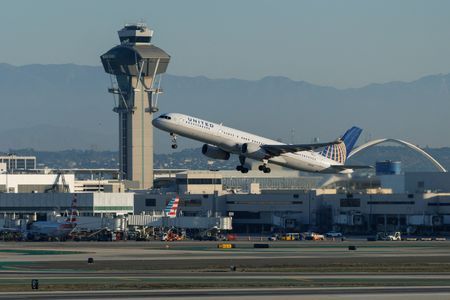

Airlines across the globe are implementing significant ticket price increases and route reductions as they struggle to manage skyrocketing jet fuel expenses, raising concerns about whether travelers will continue flying as transportation costs surge.
The aviation industry had projected unprecedented earnings of $41 billion by 2026 before the U.S.-Israeli tensions with Iran escalated last month. However, jet fuel prices have now doubled, forcing airlines to completely reassess their route networks and business approaches.
Major carriers including United Airlines, Air New Zealand, and Scandinavian airline SAS have all announced service cuts and price hikes, with several implementing additional fuel surcharges for passengers.
Rigas Doganis, former head of Greece’s Olympic Airways and ex-director of Britain’s easyJet, described the situation as dire. “Airlines face an existential challenge,” Doganis explained. “They will need to cut fares to stimulate weakening demand while higher fuel costs will be pushing them to increase fares. A perfect storm,” added Doganis, who currently leads the London-based Airline Management Group consultancy.
The aviation sector experienced unprecedented passenger volumes last year, with global travel rebounding to approximately 9% beyond pre-pandemic numbers despite ongoing supply chain disruptions affecting aircraft deliveries.
Strong post-pandemic travel appetite combined with supply chain constraints had limited capacity expansion, allowing airlines substantial control over pricing as they achieved higher seat occupancy rates.
However, the magnitude of fare increases required to offset current fuel price spikes presents enormous challenges, particularly as consumers face mounting pressure from elevated gasoline costs that may reduce discretionary spending.
Andrew Lobbenberg, Barclays’ European transport equity research director, emphasized capacity reduction as the key strategy. “The only way to get prices up is to reduce capacity,” Lobbenberg stated. “That is what I would expect to see happen this time, and it’s what we saw in the previous occasions when we had other crises; people just have to start trimming capacity.”
United Airlines CEO Scott Kirby informed ABC News recently that ticket prices would require a 20% increase for the carrier to manage elevated fuel expenses.
Hong Kong’s Cathay Pacific Airways has implemented fuel surcharge increases twice within the past month. Starting Wednesday, passengers traveling round-trip from Sydney to London will pay an additional $800 fuel surcharge. Prior to the Iranian conflict, standard economy round-trip tickets for this route typically cost around A$2,000 ($1,369.60).
Budget airlines may face the greatest challenges since their customer base tends to be more cost-conscious compared to business travelers and affluent passengers increasingly targeted by premium carriers like Delta Air Lines and United Airlines, according to industry analysts.
Nathan Gee, Bank of America’s Asia-Pacific transport research head, noted potential travel pattern shifts. “I think for the more price-sensitive travellers, even the short-haul flying trip gets downgraded, potentially to rail or to bus or other alternatives,” Gee observed.
This Middle Eastern conflict represents the fourth oil crisis impacting airlines since 2000, though it marks the first instance where carriers such as Vietnam Airlines have voiced concerns about physically obtaining fuel supplies due to Strait of Hormuz restrictions.
Previous oil shocks occurred during 2007-2008 before the global financial downturn reduced demand, following the Arab Spring around 2011, and after Russia’s invasion of Ukraine in 2022.
Airline consolidation between 2008 and 2014, including mergers like Delta-Northwest and American Airlines-US Airways, reduced eight major U.S. carriers to four and introduced stricter capacity management practices. Meanwhile, budget airlines such as Ryanair and India’s IndiGo maintained low operational costs through single-aircraft fleets and rapid turnaround times.
While upgrading to newer, more fuel-efficient aircraft represents an obvious cost-reduction strategy, severe post-pandemic supply chain shortages and new-generation engine problems have caused delivery delays.
Although U.S. ultra-low-cost carriers operate some of the industry’s newest and most efficient aircraft, declining travel demand could make financing these planes a profitability obstacle.
Dan Taylor, consulting director at aviation advisory firm IBA, predicted the current oil crisis would increase disparities between financially stable and struggling airlines.
Taylor noted on his firm’s website that “Carriers with robust balance sheets, strong pricing power, and reliable access to capital are better positioned to absorb ongoing pressures.” He added, “In contrast, airlines with low profitability and limited funding options may face increasing financial stress.”