
SAO PAULO — A leadership vacuum in Rio de Janeiro state continues to deepen after Brazil’s Supreme Court delayed a crucial ruling Thursday on how the region will choose its next governor, leaving the nation’s most famous state in administrative limbo for over three weeks.
The state has operated without permanent executive leadership since March 23, when Governor Cláudio Castro stepped down to pursue a Senate bid in October’s elections, following legal requirements. Potential successors have been unavailable to assume control, leaving urgent matters including law enforcement decisions, transportation issues, and fuel pricing without proper oversight.
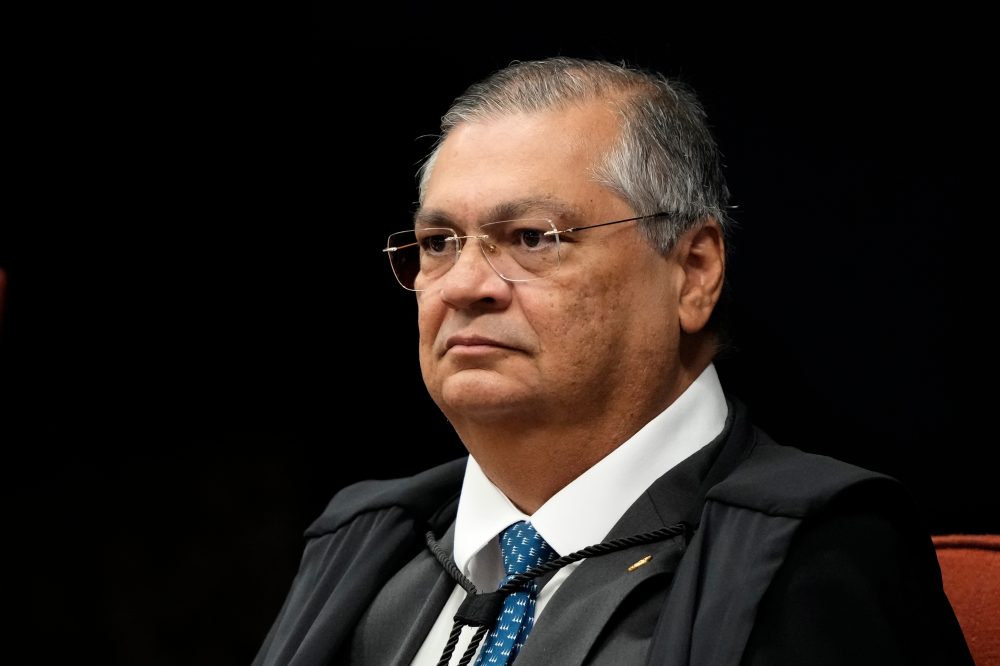
Supreme Court Justice Flávio Dino requested additional time to review the case, which will determine whether Castro’s replacement serves through January via a special election or through selection by state legislators. Dino has up to three months to present his findings to the court.
Currently, the Supreme Court’s 10 justices favor legislative selection by a 4-1 margin.
Deputy Governor Thiago Pampolha would normally assume the role, but he resigned in 2025 to join a state oversight agency. State legislative speaker Rodrigo Bacellar was next in succession until his recent arrest and removal from office.
Ricardo Couto de Castro, who heads Rio’s state court system, now serves as interim governor. However, his temporary status has created difficulties in securing cooperation from other government officials, according to local news reports.
A permanently elected governor may not take office until January, as Rio residents were already scheduled to choose new leadership during October’s general elections.
Political consultant and former government minister Thomas Traumann described the ongoing crisis as both embarrassing and potentially dangerous for the state.
“Brazil’s government has just offered a deal to reduce diesel prices, which are high because of the conflict in the Middle East. Rio is one of the few that did not agree because there’s no one to authorize it. Now we will have Brazil’s most expensive diesel,” Traumann said. “And what if there’s violence from crime gangs tomorrow morning. Who is going to tell police to react?”
Local news outlets report that Rio’s judicial officials worry about potential delays in court proceedings as their leader manages state government duties indefinitely.
Senator Flávio Bolsonaro, son of former President Jair Bolsonaro and potential challenger to current President Luiz Inácio Lula da Silva in October’s elections, has advocated for state legislator Douglas Ruas to receive the governorship through legislative appointment.
Meanwhile, supporters of President Lula and his Rio gubernatorial candidate Eduardo Paes have called for a direct voter election to fill the position.