
A prominent religious broadcasting organization has petitioned federal communications regulators to examine ABC Television following controversial statements made by late-night host Jimmy Kimmel about First Lady Melania Trump.
The National Religious Broadcasters organization submitted the complaint to the Federal Communications Commission, expressing worry that Kimmel’s comments could encourage political violence or make such acts seem acceptable.
The controversy stems from Kimmel’s April 23, 2026 show, where he performed what he described as a mock version of the upcoming White House Correspondents’ Dinner. During his routine, Kimmel addressed the First Lady directly, stating: “Our first lady, Melania, is here. Look at Melania, so beautiful. Mrs. Trump, you have the glow of an expectant widow.”
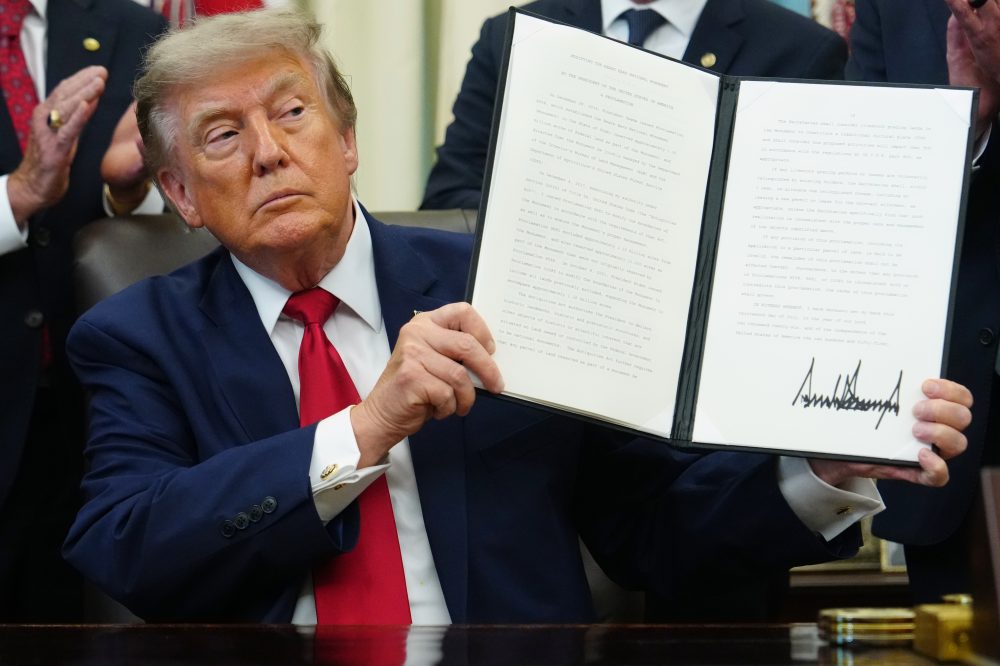
Two days following the broadcast, on April 25, 2026, when the actual White House Correspondents’ Dinner occurred, someone attempted to attack President Trump and other federal officials. This incident represents the third attempt on the President’s life during this timeframe, occurring amid a backdrop of other violent incidents including prominent political assassinations and numerous school shootings nationwide.
First Lady Melania Trump addressed the situation through a social media post on X, declaring: “It’s time for ABC to take a stand” concerning Kimmel. She continued: “Enough is enough. Kimmel’s rhetoric is designed to divide our country.”
In a follow-up statement, she wrote: “His monologue about my family is not comedy, and it deepens the political sickness within America. People like Kimmel should not be given the opportunity to enter our homes every evening to spread hate.”
The religious broadcasters’ legal representative, General Counsel Michael Farris, argued that current laws permit restrictions on speech that promotes violence. “While the FCC is bound by the First Amendment of the Constitution and federal law (47 U.S.C. § 326) to respect freedom of speech, Supreme Court precedent makes clear that speech which incites violence is not protected. Under Brandenburg v. Ohio (1969), speech loses constitutional protection when it encourages lawless action, is intended to produce such action, and is likely to result in imminent harm.”
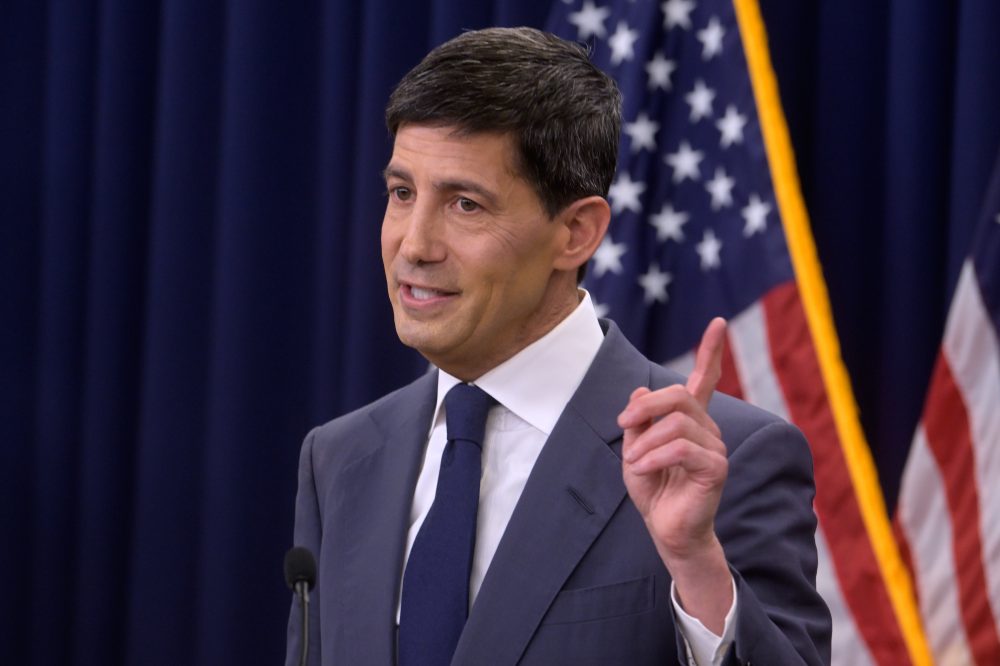
Troy A. Miller, who serves as President and CEO of the National Religious Broadcasters, expressed concerns about escalating violence patterns across the nation. “We should be relieved that lives were spared Saturday evening; but relief can’t become complacency. We’re seeing a pattern of violence in this country that didn’t appear overnight.”
Miller further explained the organization’s position: “When influential voices joke about death or treat political opponents as disposable, it contributes to a culture where violence feels thinkable to the already unstable. National platforms carry real weight, and with that comes responsibility. That’s why this warranted action.”
The religious broadcasting group has requested that the FCC conduct a comprehensive investigation to establish whether any federal regulations or commission guidelines were violated by the broadcast.