
Six international organizations advocating for press freedom and human rights have written to Kazakhstan’s leader demanding he release journalists currently detained and reform laws that restrict media independence.
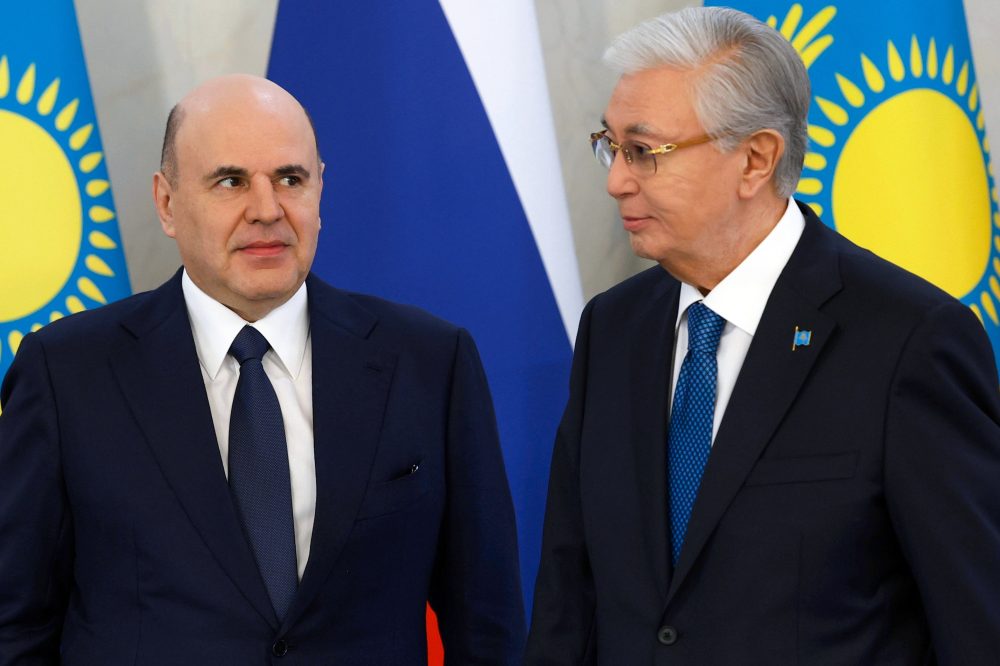
The Committee to Protect Journalists joined five other groups in sending the letter Monday to President Kassym-Jomart Tokayev, expressing alarm over what they called a “recent spate of arrests of journalists and an escalating pattern of harassment of independent media in Kazakhstan.”
The organizations specifically highlighted the situations of well-known independent reporters Gulnara Bazhkenova, Amir Kasenov, Aset Matayev and Botagoz Omarova, all currently confined to their homes while awaiting court proceedings. The groups warned that a “rising tide of harassment is rendering the work of independent Kazakh media increasingly difficult.”
The coalition called on Tokayev to free all media professionals facing prosecution for their journalism and dismiss the criminal cases against them. They also demanded changes to laws governing the spread of false information to protect press freedoms.
The organizations pointed out that government officials have refused to grant press credentials to dozens of Radio Free Europe/Radio Liberty reporters for months and have blocked access to the news website ResPublika in actions that “appeared to have little justification beyond a desire to obstruct these outlets’ reporting.”
The letter also mentioned that “dozens of prominent journalists, news outlets, and press freedom groups have in recent months reported having their social media accounts and posts blocked or removed following spurious and apparently orchestrated complaints.”
“Mr. President, collectively these attacks on the press threaten to create a climate of fear and self-censorship that irreparably undermines the credibility of your reform agenda,” they said.
Officials from Tokayev’s administration did not respond to requests for comment about the correspondence.
Constitutional amendments backed by Tokayev received strong public support in a recent referendum, strengthening his authority in the region’s most populous nation.
The 72-year-old leader, a former Soviet bureaucrat and Kazakhstan diplomat with previous United Nations experience, faces current term restrictions that keep him in office through 2029. Political observers suggest Tokayev might leverage the referendum results to extend presidential term limits.
Since Western nations imposed economic penalties on Russia for its invasion of Ukraine, Tokayev has worked to maintain diplomatic ties with both Moscow and Western capitals, presenting the constitutional modifications as necessary for rapid decision-making in an unstable global environment.