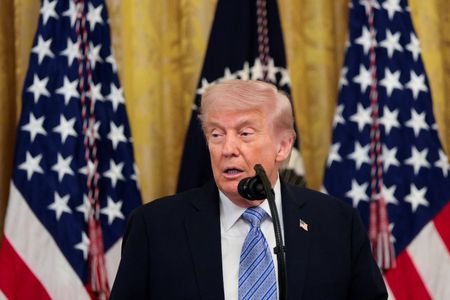

President Donald Trump expressed optimism Wednesday that the ongoing conflict with Iran could conclude rapidly as Iranian officials review a peace proposal from the United States, though significant disagreements persist over nuclear activities and control of crucial shipping lanes.
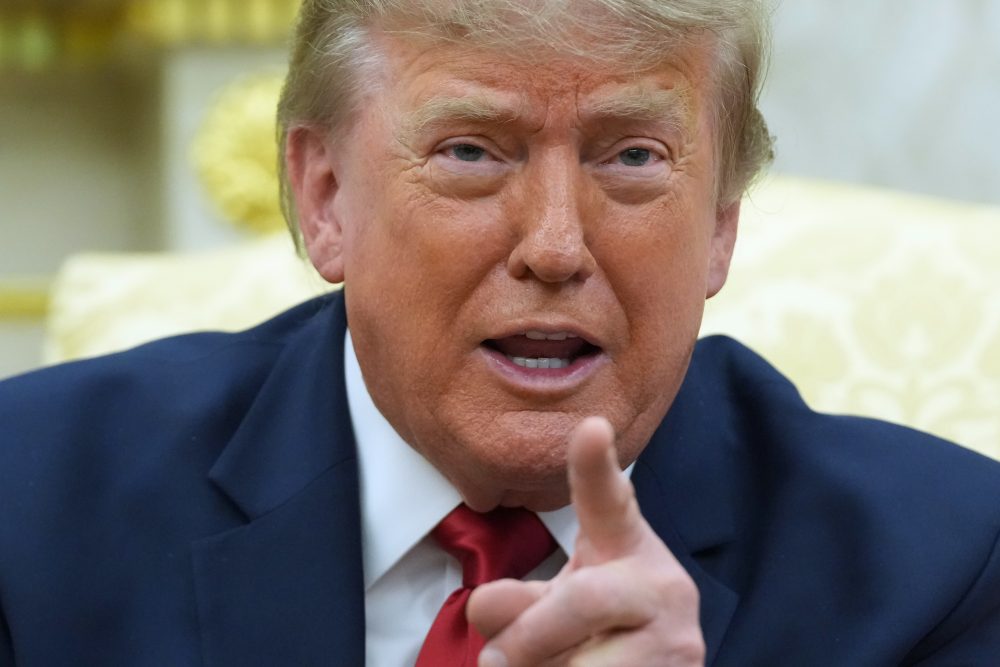
Speaking to reporters from the Oval Office on Wednesday, Trump indicated positive momentum in recent discussions. “They want to make a deal. We’ve had very good talks over the last 24 hours, and it’s very possible that we’ll make a deal,” the president stated, adding that “it’ll be over quickly.”
Iranian officials offered a more cautious response to the diplomatic overtures. A spokesperson from Iran’s foreign ministry, quoted by the ISNA news agency, confirmed that Tehran would provide its official answer to the proposal. However, Iranian parliament member Ebrahim Rezaei, who speaks for the legislature’s foreign policy and national security committee, characterized the American offer as “more of an American wish-list than a reality.”
The current conflict began on February 28, and Trump has consistently promoted the possibility of a negotiated settlement, though previous efforts have not succeeded. Major obstacles continue to divide the nations, including Iran’s nuclear development activities and its blockade of the Strait of Hormuz, a waterway that previously carried twenty percent of global oil and gas shipments.
According to sources familiar with the mediation process, negotiators are approaching agreement on a brief memorandum that would officially conclude hostilities. Such an accord would then initiate broader talks addressing the reopening of strait shipping, removal of American economic sanctions against Iran, and establishment of restrictions on Iranian nuclear activities.
Iran’s parliamentary leader Mohammad Baqer Qalibaf dismissed suggestions that the parties were nearing agreement, posting on social media in English that “Operation Trust Me Bro failed.” Qalibaf characterized such reports as American propaganda following Washington’s inability to reopen the Strait of Hormuz.
Financial markets responded dramatically to speculation about a potential agreement. Global oil prices dropped to their lowest levels in two weeks Wednesday, with Brent crude futures declining approximately 11% to near $98 per barrel before recovering above $100. International stock markets also gained while bond yields decreased on hopes for an end to the conflict that has disrupted energy markets.
“The contents of the U.S.-Iran peace proposals are thin, but there is an expectation in the market that further military action will not take place,” explained Takamasa Ikeda, a senior portfolio manager at GCI Asset Management.
Trump halted a two-day naval operation aimed at reopening the blocked strait on Tuesday, citing advancement in peace discussions. NBC News reported, based on unnamed U.S. officials, that Trump’s sudden policy change occurred after Saudi Arabia withdrew permission for the U.S. military to utilize a Saudi facility for the mission.
Saudi leadership reportedly felt surprised and frustrated by Trump’s announcement regarding U.S. escort operations in the Strait of Hormuz, prompting them to deny American military aircraft access to Saudi bases and airspace, according to NBC’s reporting. The White House has not yet responded to requests for comment regarding this account.
American military forces continue maintaining their own restrictions on Iranian vessels in the area. U.S. Central Command reported that forces engaged an empty Iranian-flagged tanker Wednesday, disabling the ship as it tried to reach an Iranian port in violation of the blockade.
Sources briefed on the negotiations indicated that Trump’s envoy Steve Witkoff and son-in-law Jared Kushner are leading the American diplomatic effort. Should both nations accept the preliminary agreement, it would trigger a 30-day period for detailed negotiations toward a comprehensive settlement.
While sources suggested the initial memorandum would not demand immediate concessions from either party, they noted the absence of several key American requirements that Iran has previously rejected, including limitations on Iran’s missile capabilities and cessation of support for regional proxy forces. The sources also did not address Iran’s current stockpile of more than 400 kilograms of near-weapons-grade uranium.