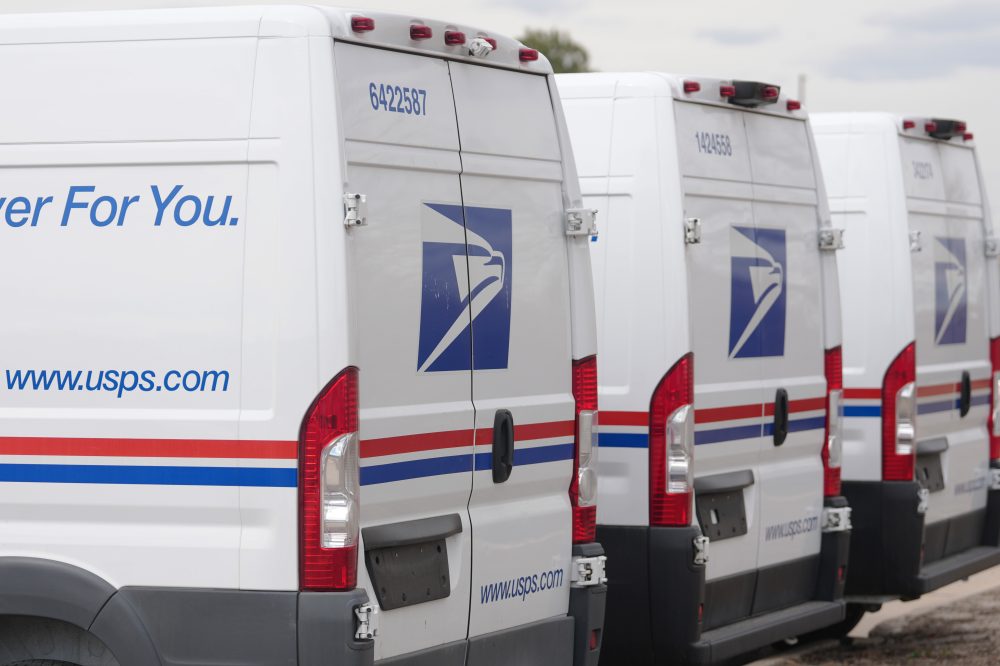

The United States Postal Service may soon allow private citizens to ship handguns through the mail system, marking a potential end to restrictions that have been in place for almost a century. The proposed regulation has drawn strong opposition from Democratic attorneys general across 24 states who submitted a formal letter of protest this week.
The current prohibition dates back to 1927 when lawmakers banned the postal service from handling concealable weapons unless shipped by licensed firearms dealers, a measure designed to reduce criminal activity. This past January, the Department of Justice challenged the nearly century-old restriction, declaring it unconstitutional and claiming it infringes upon Second Amendment rights, prompting officials to push for regulatory changes.
Justice Department officials stated that when Congress operates a shipping service, “the Second Amendment precludes it from refusing to ship constitutionally protected firearms to and from law-abiding citizens, even if they are not licensed manufacturers or dealers.”
The postal service introduced its proposed regulation last month, which would permit anyone to ship concealable weapons including pistols and revolvers through the mail. While the USPS already accepts certain firearms such as long-barrel rifles and shotguns for shipping, these must be unloaded and properly secured. The same safety measures would apply to handguns under the new proposal, acknowledging that firearm technology has advanced significantly since the original 1927 ban. Postal officials indicated they are currently examining public feedback submitted by Monday’s deadline before finalizing any modifications.
Nevada’s Attorney General Aaron Ford, who is seeking the governor’s office, expressed concern that the regulatory change would undermine state efforts to reduce gun violence. Nevada was the site of America’s most devastating mass shooting in recent history when a gunman fired from the Mandalay Bay hotel in Las Vegas on October 1, 2017, resulting in 60 deaths. In response to that tragedy, Nevada enacted legislation requiring state-conducted background checks for most private firearm sales and transfers.
“Our state has suffered enough, and to suggest we make it easier for criminals and abusers to access firearms is a slap in the face to gun violence survivors and law enforcement,” Ford stated.
The proposed regulations would permit intrastate gun sales and shipments between individuals within the same state. Interstate shipping rules would be more restrictive, allowing people to mail firearms only to themselves in care of another person, with the requirement that the original owner personally retrieve the package. This provision aims to help travelers who want to transport firearms to other states for recreational activities.
Justice Department representatives argue that the complex web of varying state gun laws creates obstacles for lawful firearm transportation across state boundaries for legitimate activities including target practice, hunting, and personal protection. Officials noted that many people lack alternatives for traveling with firearms, making postal delivery the “only viable method of transportation.”
In their Monday letter, Ford and fellow attorneys general from approximately two dozen states called on the postal service to abandon the proposed rule, warning it would facilitate gun access for prohibited individuals such as convicted felons and domestic violence offenders. They also expressed concern that the change would complicate criminal investigations involving firearms. The state officials argued that the executive branch lacks authority to disregard congressional legislation and that the rule would supersede state firearms laws.
According to the attorneys general, state regulations encompass requirements such as firearms training courses, background investigations, and mental health evaluations. These safeguards are administered through state agencies that would be circumvented if the proposed rule takes effect. They contended there would be no mechanism to ensure compliance or prevent illegal interstate handgun shipments to unauthorized recipients.
The state officials also noted that law enforcement agencies would need to develop new tracking systems for postal firearm shipments, creating additional financial strain on state budgets.
Private shipping companies including UPS and FedEx currently limit firearm shipments to customers holding federal firearms licenses, such as importers, manufacturers, dealers, and collectors. FedEx policy requires licensed shippers to collaborate with company account representatives to secure shipping approval, according to their website.
The proposed change has received praise from firearms advocacy organizations while drawing criticism from gun safety groups.
National Rifle Association lobbying executive John Commerford hailed the development as a significant win for responsible gun owners.
“Thanks to President Trump and his administration, USPS will finally allow these firearms to be shipped under the same commonsense safety conditions as rifles and shotguns,” Commerford declared in a Wednesday statement.
Everytown for Gun Safety president John Feinblatt warned the rule change would transform the postal service into a “gun trafficking pipeline” for illegal weapons “while stripping law enforcement of the tools they need to prevent and investigate gun crime.”