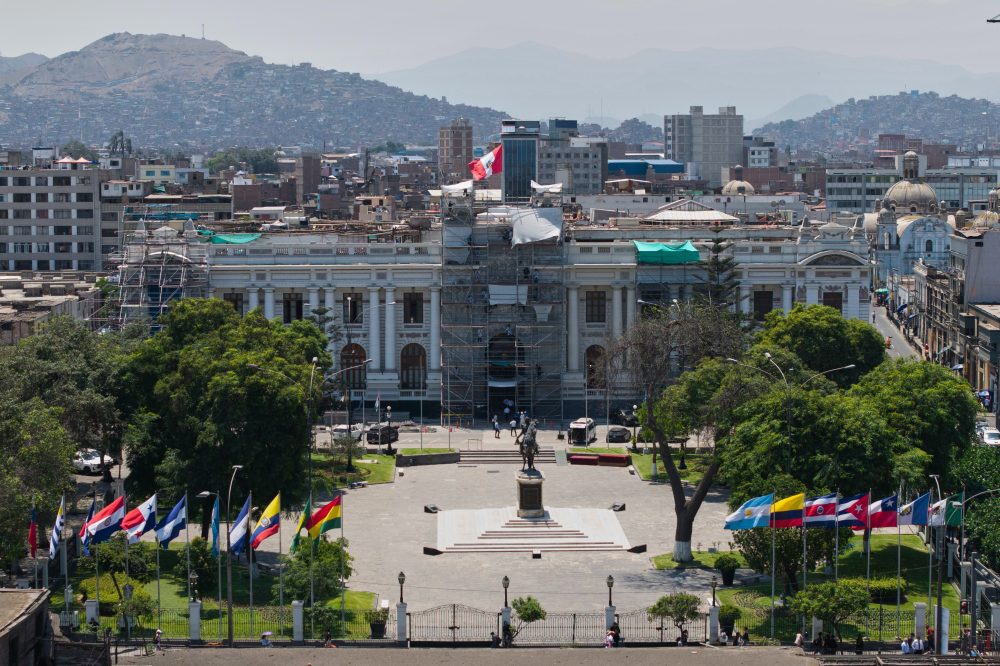

LIMA, Peru — Lawmakers in Peru’s Congress were scheduled to cast ballots Tuesday on whether to force out interim President José Jerí, as prosecutors examine corruption claims related to undisclosed encounters between Jerí and Chinese business leaders.
Should the parliamentarians obtain enough support, Jerí would be forced from power just four months after taking office. His ouster would spark another leadership change, requiring lawmakers to select a replacement and adding fresh instability to Peru’s political landscape with national elections just two months away.
Jerí represents the seventh person to hold the presidency in Peru over the last ten years. He took the oath of office in October following his predecessor’s removal by Congress due to graft accusations and escalating violent crime. He now confronts potential dismissal by his former legislative peers, who claim he engaged in improper conduct and lacks the ability to fulfill presidential responsibilities.
The 39-year-old acting president expressed confidence he would weather the legislative challenge.
“I’m not dead yet,” Jerí stated in a weekend television appearance on Peru’s Panamericana network, declaring his intention to continue serving Peruvians until his “last day” at the presidential residence.
Should lawmakers vote for his dismissal, they will select a successor from their ranks to lead the country until July 28, when the acting president transfers power to whoever wins the April 12 presidential contest.
Following any removal, Jerí would resume his role as a congressional member through July 28, when the incoming legislature also assumes office.
There remains a possibility legislators will reject the removal effort. Jerí enjoys backing from the Fuerza Popular party, headed by presidential hopeful Keiko Fujimori, whose father previously served as president before facing imprisonment for human rights violations.
The charges against Jerí originated from a disclosed document about a secret December gathering with two Chinese business executives. One participant maintains active government contracts, while the other faces investigation for suspected participation in unlawful timber operations.
Jerí has rejected any wrongdoing, explaining he met with the executives to plan a Peruvian-Chinese celebration, though his critics have labeled this corruption.
This turmoil represents another episode in Peru’s extended political breakdown, as the nation has witnessed seven presidents since 2016 and prepares for general elections while citizens express widespread anger over rising violent crime.
Even with the constant presidential turnover, Peru’s economic situation has stayed steady.
The South American country maintained an external debt-to-GDP ratio of 32% in 2024, among Latin America’s most favorable, while the government continues encouraging foreign investment in sectors including mining and infrastructure development.