
PRISTINA, Kosovo — Kosovo’s 18th independence anniversary took on a tone of resistance Tuesday as massive crowds demonstrated in support of former military leaders currently on trial for alleged war crimes committed during the 1998-1999 conflict with Serbia.
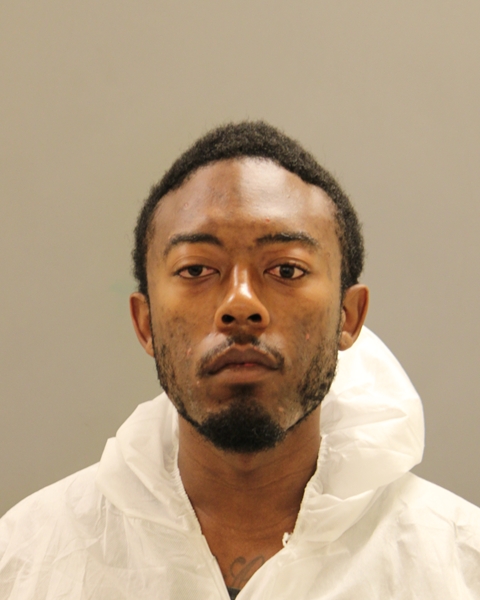
Despite frigid, snowy conditions in Pristina, demonstrators draped in Albanian national colors gathered to protest legal proceedings taking place in The Hague against ex-president and former rebel commander Hashim Thaci, along with three co-defendants accused of committing atrocities during and following the war that claimed approximately 13,000 lives.
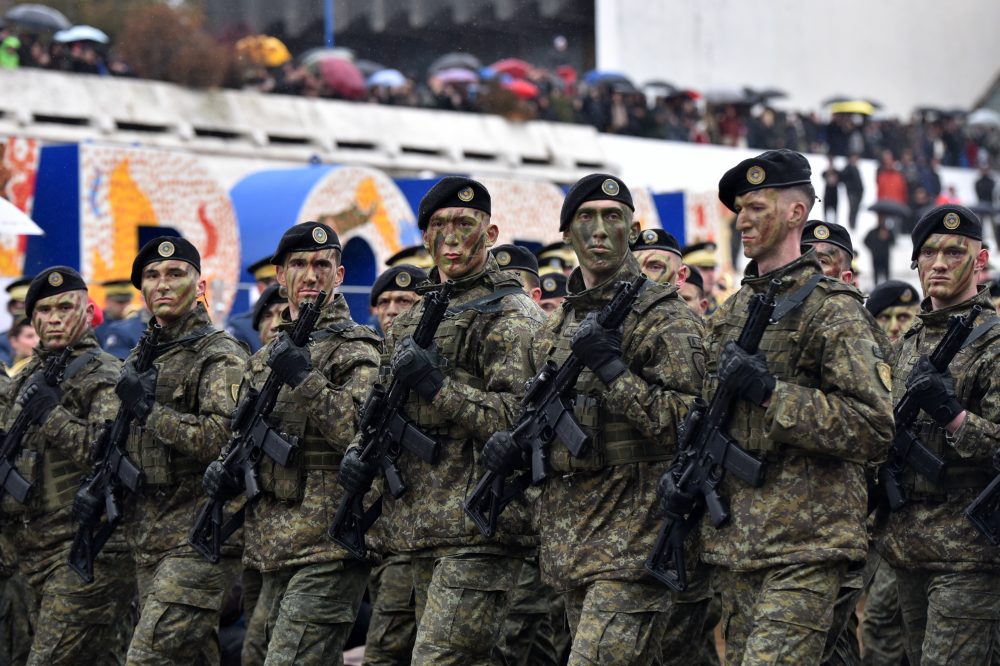
The independence commemoration began with Kosovo security forces conducting ceremonial parades through Pristina, followed by a special parliamentary session.
The conflict began when the Kosovo Liberation Army initiated its independence campaign in 1998, prompting Serbia to launch a harsh military response. The war concluded after a 78-day NATO bombing campaign against Serbia in 1999, ultimately compelling Serbian forces to withdraw from the territory.
Serbia continues to reject Kosovo’s 2008 independence declaration, creating ongoing tensions throughout the unstable Balkans. Both nations have been informed that establishing normal diplomatic relations is a prerequisite for European Union membership.
The Kosovo Specialist Chambers in The Hague — technically part of Kosovo’s court system despite its foreign location — has prosecutors seeking maximum 45-year sentences for Thaci and his co-defendants. Thaci faces additional charges in a separate witness intimidation case scheduled to begin this month.
Kosovo officials and demonstrators have condemned the trials as politically motivated, arguing they create an unfair equivalency with Serbia, whose political and military leadership faced previous war crimes convictions at a separate United Nations tribunal.
Tuesday’s protesters displayed signs declaring “History cannot be rewritten” and “Freedom for the liberators.” They surrounded a prominent independence monument with metal barriers and posted a “Kosovo in Prison” sign atop the structure.
President Vjosa Osmani released a statement asserting that “truth cannot be changed by attempts to rewrite history or to tarnish and devalue the struggle of Kosovo’s people for freedom.”
Prime Minister Albin Kurti declared that “the KLA-led war was pure, liberation (struggle) and an anti-colonial war … a just struggle of an occupied and oppressed people under apartheid.”
From Belgrade, a Serbian government office responsible for Kosovo affairs characterized the independence declaration 18 years ago as a “flagrant violation of international law.” The statement claimed “systematic terror” and persecution targeting Serbian minorities in Kosovo.
More than 100 countries, including the United States and most European Union members, have acknowledged Kosovo’s independence, while Russia and China support Serbia’s territorial claims.
Thaci stepped down from the presidency in 2020 to face 10 charges of crimes against humanity and war crimes.
The specialized court and prosecutor’s office were established following a 2011 Council of Europe human rights report that investigated claims of KLA fighters trafficking human organs from prisoners and killing both Serbs and fellow ethnic Albanians. The organ trafficking allegations have not appeared in court indictments.