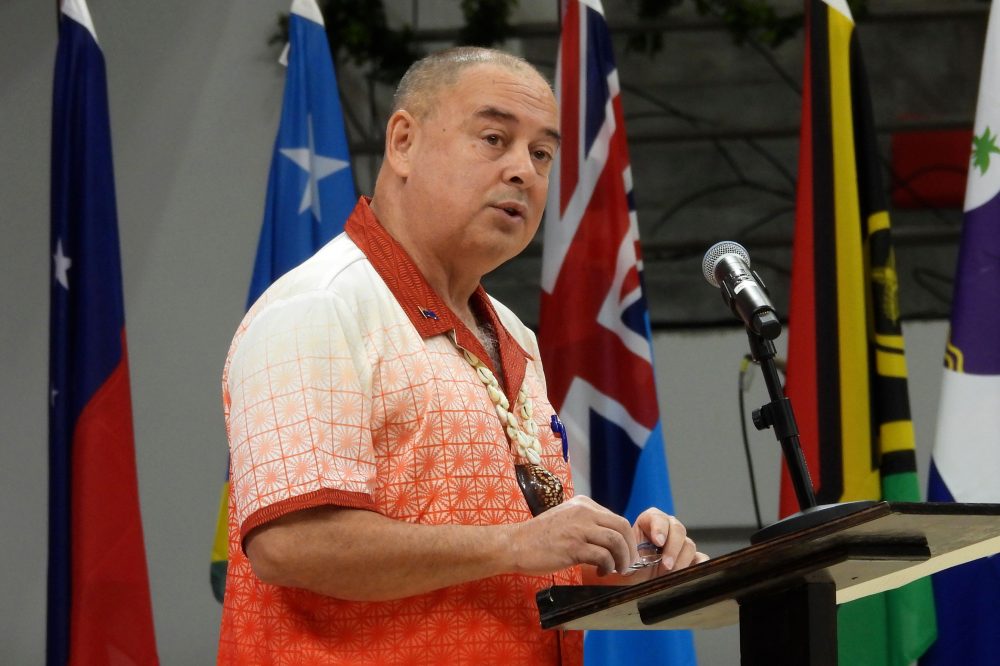

WELLINGTON, New Zealand — A defense and security agreement signed Thursday between New Zealand and Cook Islands has resolved more than a year of diplomatic friction stemming from the smaller nation’s growing relationship with China.
The diplomatic dispute that led Wellington to temporarily halt millions in aid funding to Avarua may have involved nations of vastly different sizes — New Zealand’s 5 million residents versus Cook Islands’ 15,000 — but Pacific region watchers closely followed the standoff as it highlighted the challenging position facing small island nations. These countries must navigate between longstanding Western partnerships with nations like New Zealand and Australia while considering new opportunities from Beijing.
Under the newly signed declaration, Cook Islands committed to making New Zealand its “partner of choice regarding defense and security matters,” effectively eliminating Wellington’s concerns about China potentially filling that role. New Zealand Foreign Minister Winston Peters stated the agreement addressed “ambiguity” in the two nations’ existing relationship.
The tensions began in February 2025 when Cook Islands Prime Minister Mark Brown signed a comprehensive strategic partnership with China during a Beijing visit, causing concern in Wellington after Brown declined to share the agreement’s details beforehand. New Zealand officials worried this refusal could create security risks. Cook Islands operates as a self-governing territory under a 60-year free association arrangement with New Zealand, meaning New Zealand provides military protection while Cook Islands citizens can freely live and work in New Zealand.
This relationship requires Cook Islands leadership to consult Wellington on international agreements that might impact New Zealand’s interests. Brown justified his decision to keep the China deal private, arguing disclosure wasn’t required under existing agreements with Wellington.
New Zealand, serving as Cook Islands’ primary financial supporter, suspended millions in aid during the dispute, though this represented only a portion of total Wellington funding. Peters announced during his Thursday visit to Cook Islands that this assistance would resume following the signing of the new accord.
“This declaration seeks to remove previous ambiguity about the nature of the relationship between New Zealand and the Cook Islands, especially as it pertains to defense and security,” Peters stated.
Cook Islands, consisting of 15 islands scattered across the South Pacific, represents one of numerous small regional nations receiving attention from Beijing through aid offers, loans, and development deals designed to expand Chinese influence. The sparsely inhabited South Pacific holds strategic significance, and many countries there, including Cook Islands, control extensive and valuable exclusive economic zones where Brown is investigating deep-sea mineral extraction possibilities.
“The strategic environment we face is more complex and contested today than at any other point since New Zealand and the Cook Islands formed our free association relationship in 1965,” Peters said Thursday.
The China agreements particularly troubled Wellington because Cook Islanders carry New Zealand passports, raising security concerns. In October 2024, Brown suggested creating separate Cook Islands passports, though he later abandoned this idea after stating New Zealand had “bared its teeth” over the proposal.
“It’s no secret that our two governments have had a series of serious disagreements since late 2024,” Peters acknowledged Thursday.
When questioned about how the New Zealand-Cook Islands declaration affects the earlier Beijing agreement — which addressed deep-sea mining, infrastructure development, and educational scholarships without explicit security components — both leaders deflected. Brown told reporters the New Zealand agreement wouldn’t impact his country’s other international partnerships.
However, New Zealand would serve as “our first port of call on anything to do with defense and security,” Brown confirmed.