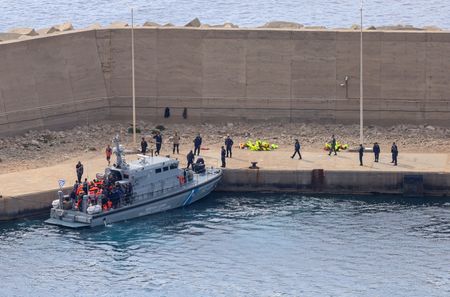

More than 100 pro-Palestinian volunteers were brought to the Greek island of Crete on Friday following the seizure of their humanitarian ships by Israeli naval forces in international waters, according to flotilla organizers.
The volunteers were participating in the second Global Sumud flotilla, organized in recent months to challenge Israel’s Gaza blockade through humanitarian supply deliveries. The convoy departed from Barcelona, Spain on April 12.
Israeli military vessels transferred 168 flotilla crew members to Greek boats on Friday, which transported them to shore where buses and an ambulance awaited their arrival, organizers reported and Reuters video confirmed. Two volunteers remained in Israeli custody, organizers stated.
An unnamed source revealed that while Israel intercepted 22 vessels, 47 additional boats continued sailing near southern Crete with plans to dock temporarily before proceeding toward Gaza. Each vessel carries approximately one ton of food, medical supplies, and other equipment, the source indicated.
Israeli forces captured the 22 ships late Wednesday in international waters near Greece’s Peloponnese peninsula, located hundreds of miles from Gaza, flotilla organizers announced.
Israel’s foreign ministry labeled the flotilla organizers as “professional provocateurs,” while German and Italian foreign ministries released a joint statement expressing they were monitoring developments with “deep concern.”
The U.S. State Department issued a Thursday statement warning of potential “consequences” for flotilla supporters, characterizing the effort as pro-Hamas.
Pro-Palestinian advocates argue that Israel and the United States incorrectly equate Palestinian rights advocacy with Hamas extremist support.
Israeli military forces stopped a previous flotilla from the same organization last October, detaining Swedish climate activist Greta Thunberg along with over 450 participants. This incident followed other maritime attempts to reach blockaded Gaza.
Palestinian officials and international humanitarian organizations maintain that Gaza supply deliveries remain inadequate, despite an October ceasefire agreement that included provisions for increased aid.
The majority of Gaza’s population exceeding two million has been forced from their homes, with many now residing in damaged buildings and temporary shelters erected on vacant land, streets, or destroyed building sites.
Israel, which maintains complete control over Gaza Strip access, disputes claims of withholding resident supplies.