
A high-ranking United Arab Emirates official declared Friday that Iran cannot be relied upon for any independent agreements concerning the Strait of Hormuz, highlighting the deep distrust among all parties as diplomatic efforts to resolve the ongoing conflict continue to stall.
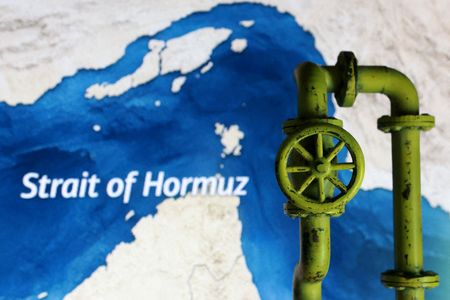
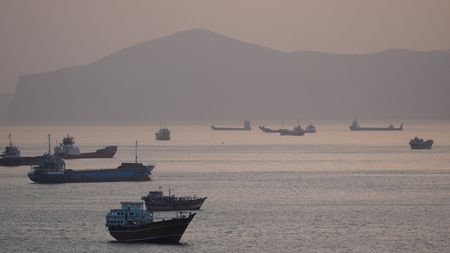
The crucial shipping lane remains mostly shut down two months after hostilities began, due to Iran’s blockade and U.S. Navy restrictions on Iranian oil exports. This closure has disrupted one-fifth of global oil and gas distribution, driving up worldwide energy costs and sparking fears of economic recession.
While a ceasefire has held since April 8, reports that President Donald Trump would receive briefings on potential new military operations to force Iran into negotiations sent oil prices soaring to four-year peaks Thursday.
According to two senior Iranian officials speaking anonymously to Reuters, Iran has prepared its air defense systems and is planning a comprehensive response if attacked, anticipating a brief but intense U.S. assault possibly followed by Israeli strikes.
The White House has remained silent about its future actions. Trump expressed dissatisfaction Tuesday with Iran’s most recent proposal, while mediator Pakistan has yet to schedule additional negotiations to end the conflict that has claimed thousands of lives, primarily in Iran and Lebanon.
Following U.S. and Israeli air attacks on February 28, Iran retaliated against American bases, infrastructure, and U.S.-affiliated companies throughout Gulf nations. Meanwhile, Iran-supported Hezbollah fired missiles at Israel, prompting Israeli counterstrikes on Lebanon.
Highlighting Gulf state anxieties, UAE presidential adviser Anwar Gargash emphasized that “collective international will and provisions of international law” serve as the main guarantees for navigation freedom through the strait.
“And, of course, no unilateral Iranian arrangements can be trusted or relied upon following its treacherous aggression against all its neighbors,” Gargash stated.
Trump confronts a Friday deadline under the 1973 War Powers Resolution to either conclude the conflict or justify its continuation to Congress. However, this deadline appears unlikely to change the war’s trajectory, as a senior administration official indicated that hostilities technically ended with the April ceasefire between Tehran and Washington.
Financial and energy markets remain volatile due to concerns about the negotiation deadlock and potential extended closure of the Strait of Hormuz.
Brent crude futures climbed again Friday, rising slightly above $111 per barrel and heading toward a 5.7% weekly increase after reaching $126 Thursday, the highest point since March 2022.
Iranian Foreign Ministry spokesman Esmaeil Baghaei warned Thursday against anticipating rapid progress from diplomatic talks.
A senior Revolutionary Guards official threatened that any fresh U.S. attack on Iran, regardless of scope, would trigger “long and painful strikes” against American regional installations. Aerospace Force Commander Majid Mousavi was quoted in Iranian media saying: “We’ve seen what happened to your regional bases, we will see the same thing happen to your warships.”
Trump reiterated Thursday that Iran will not be permitted to obtain nuclear weapons and predicted that gasoline prices—a key Republican concern before November’s midterm elections—would “drop like a rock” once the war concludes.
Iran maintains its nuclear program serves exclusively civilian purposes.
While Trump described Iran’s economy as “a disaster” Thursday, analysts suggest that if he expects Iran to surrender first in this economic standoff, he may face a lengthy wait.
The conflict has worsened Iran’s severe economic difficulties, threatening post-war catastrophe, but the nation appears capable of enduring a Gulf standoff for now, despite the U.S. blockade eliminating its energy exports.
Axios reported that military leaders were scheduled to brief Trump Thursday on a plan involving ground forces to seize part of the strait and reopen commercial shipping. Officials indicate Trump is also weighing options to expand the U.S. blockade or declare unilateral victory.
Washington has not disclosed specific details about its intentions.
Signaling potential U.S. preparation for hostilities to end, a State Department message scheduled for oral delivery to partner nations by May 1 invites them to join a new coalition called the Maritime Freedom Construct to facilitate ship navigation through the strait.
France, Britain, and other nations have discussed contributing to such a coalition but stated they would assist in reopening the Strait only after the conflict ends.