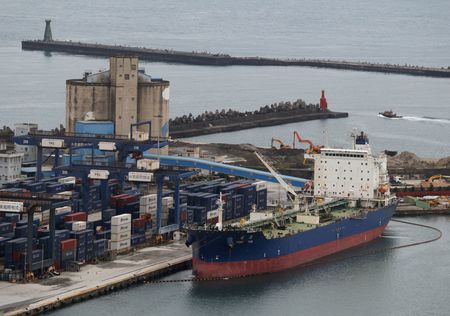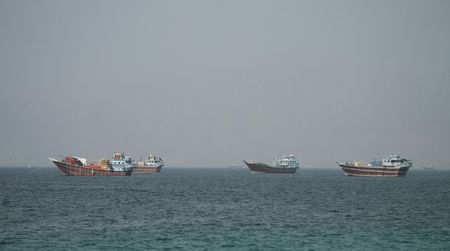

Oil prices slipped on Friday morning and are headed toward sharp weekly declines as supply concerns eased with more oil tankers successfully passing through the Strait of Hormuz — even as a cargo ship came under attack near Oman the day before.
Brent crude futures dropped 19 cents, or 0.25%, to $75.07 per barrel as of 0055 GMT. U.S. West Texas Intermediate also declined, falling 13 cents, or 0.18%, to $71.79 per barrel.
Both major oil benchmarks had surged more than 2% on Thursday after a cargo vessel was struck by an unidentified projectile near Oman. The incident prompted the United Nations’ shipping agency to halt its voluntary evacuation program for the area.
Two U.S. officials confirmed to Reuters that Iran fired on the cargo ship as it attempted to navigate through the strait. Iranian authorities warned that the safety of vessels traveling outside of designated Hormuz shipping lanes could not be guaranteed.
IG analyst Tony Sycamore weighed in on the situation, saying: “With the geopolitical risk premium once again creeping back into prices, markets will be watching intently to see if tanker traffic resumes or if these latest hurdles force producers to tap the brakes on planned production increases.”
For the week overall, both Brent and WTI crude are on pace to lose close to 7% of their value.
Data released Thursday showed that crude shipments through the Strait of Hormuz climbed this week to their highest point since the U.S.-Israeli conflict with Iran began in February. A ceasefire agreement had reopened the critical waterway, and concerns about how long it would remain accessible also spurred increased trading activity.
Despite the uptick, overall vessel traffic through the strait remains a small fraction of the pre-conflict daily average of 125 ships that passed through before hostilities began on February 28.
Adding to global supply worries, earthquakes struck Venezuela on Thursday. Early assessments by workers examining the country’s oil, gas, and refining infrastructure indicated limited structural damage, as the most severely affected areas are located far from Venezuela’s major production zones, refineries, pipelines, and terminals.
However, widespread power outages have raised questions about whether Venezuela can maintain its pre-earthquake oil output level of approximately 1.2 million barrels per day, according to sources familiar with the situation.