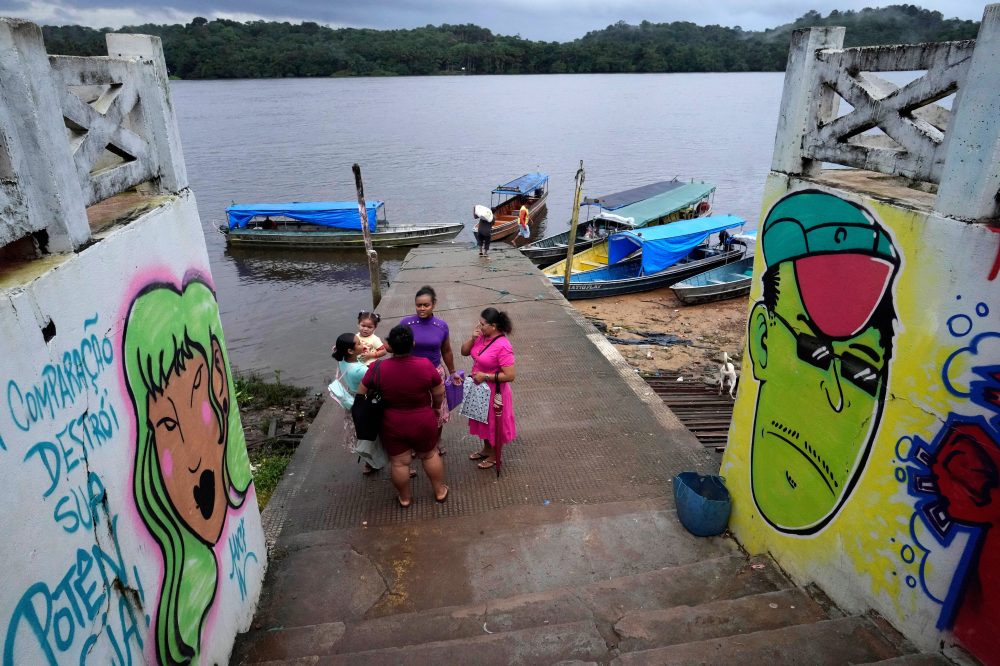

OIAPOQUE, Brazil — A distant Brazilian city in the northern Amapa state is witnessing dramatic changes as expectations of an oil-fueled economic expansion take hold. Thousands of job seekers have relocated to Oiapoque following Petrobras’ launch of exploratory operations off the Amazon rainforest coast, with many destroying forest areas to construct temporary shelters while hoping for future employment in oil production.
Key developments from this situation include:
The local economy in Oiapoque traditionally relies on fishing activities, unauthorized gold extraction, and commerce with visitors from nearby French Guiana. Residents report that sudden, uncontrolled population expansion is overwhelming the community’s limited infrastructure systems.
City councilman Tiago Vieira Araújo reports that seven brand-new residential areas have appeared, with some built on land that was untouched rainforest just twelve months earlier. Local residents frequently voice concerns about packed schools and the community’s sole medical facility running at maximum capacity.
Indigenous council representative Renata Lod explained that “Petrobras arrived in the city with strong political backing, promising progress as if we would go to sleep one way and wake up like Dubai.” She described the actual outcome as completely chaotic population expansion and encroachment on Indigenous territories.
Job seekers such as Reginaldo Nunes Fonseca were motivated by the prospect of new opportunities. He relocated from Maranhao, a northeastern state, after watching a January television news segment about Petrobras receiving authorization for exploratory operations.
Conservation organizations caution that petroleum accidents could destroy fishing grounds and marsh ecosystems, while Indigenous community leaders worry the development might threaten their territories and traditional lifestyle.
Government prosecutors have requested that Brazil’s environmental oversight agency cancel or halt the environmental permit, claiming Petrobras’ impact assessments are inadequate and that the corporation is hiding the complete scope of environmental consequences. No decision has been announced.
Petrobras stated it performed spill simulations to obtain licensing approval and has been using floating monitoring equipment to track ocean currents since beginning exploration activities in October.
This past January, Petrobras disclosed a drilling-fluid release that temporarily stopped operations. IBAMA, the environmental oversight agency, imposed a 2.5 million real ($470,500) penalty on the company.
During Brazil’s hosting of the yearly United Nations climate conference, COP30, last year, President Luiz Inácio Lula da Silva and Brazilian negotiators worked to promote an international strategy for eliminating fossil fuel dependence, which primarily causes global warming.
Yet the situation in communities like Oiapoque demonstrates a wider challenge facing much of the developing world. Various nations, Brazil included, have pledged to reduce greenhouse gas emissions such as carbon dioxide, which result from burning oil and contribute to climate change. Simultaneously, many citizens hope that fossil fuel revenues will boost their local economies.
Extending oil extraction into the Amazon territory, even through offshore projects like this one, also questions Lula’s electoral promise to safeguard the rainforest.