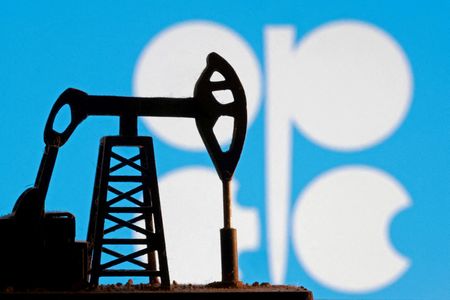

Oil-producing nations in the OPEC+ alliance are weighing a production increase during Sunday’s meeting, according to four sources within the organization, though any boost would exist primarily on paper since major members cannot actually increase output due to the ongoing U.S.-Israeli war with Iran.
The conflict has effectively blocked the Strait of Hormuz – the planet’s most crucial oil shipping channel – since late February, cutting off exports from key OPEC+ nations including Saudi Arabia, the United Arab Emirates, Kuwait and Iraq. These four countries were the only members of the group capable of substantially boosting production before hostilities began.
Meanwhile, other alliance members like Russia face their own production constraints due to Western sanctions and infrastructure damage from the ongoing Ukraine conflict.
Throughout the Gulf region, missile and drone strikes have caused extensive damage to oil facilities. Multiple Gulf officials indicate it would require several months to restore normal operations and meet production goals, even if fighting ceased and the Hormuz strait reopened immediately.
During OPEC+’s previous gathering on March 1, which coincided with the start of major oil supply disruptions, the group authorized a small production bump of 206,000 barrels daily for April.
One month following that decision, what experts describe as the most significant oil supply crisis ever recorded has eliminated between 12 and 15 million barrels per day from global markets – representing up to 15% of worldwide supply.
Oil prices have climbed to four-year peaks near $120 per barrel. JPMorgan analysts warned Thursday that crude could surge beyond $150 – setting a new record – if Hormuz shipping disruptions continue through mid-May.
Sunday’s discussions will focus on establishing OPEC+ production quotas for May, according to sources familiar with the agenda.
Any production increase would have minimal immediate effect on available supply but would demonstrate the alliance’s willingness to boost output once the Hormuz strait becomes accessible again, OPEC+ sources explained. Energy consulting firm Energy Aspects described such an increase as “academic” while strait disruptions persist.