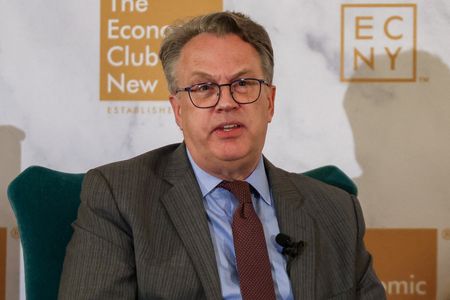

The president of the Federal Reserve Bank of New York issued a warning Thursday that the ongoing Middle East conflict is already contributing to rising prices across the economy, creating new challenges for the central bank’s efforts to control inflation.
John Williams told attendees at the Federal Home Loan Bank of New York’s 2026 Member Symposium that “Developments in the Middle East are driving significant increases in energy prices, which are already lifting overall inflation.”
Williams explained that if the conflict ends quickly, energy costs should decline. However, he cautioned that a prolonged war “could also result in a large supply shock with pronounced effects that simultaneously raises inflation—through a surge in intermediate costs and commodity prices—and dampens economic activity.”
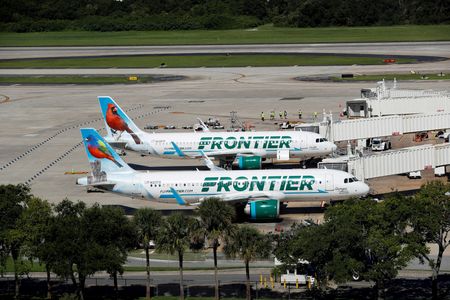
The Fed official emphasized that this economic impact “has begun to play out already,” pointing to emerging evidence of supply chain problems and rising fuel expenses that are translating into “higher airfares, groceries, fertilizer, and other consumer products.”
Despite these concerning developments, Williams reaffirmed his “unwavering commitment” to bringing inflation back to the Fed’s target level. While avoiding specific predictions about future interest rate decisions, he noted that current monetary policy “is well positioned to balance the risks to our maximum employment and price stability goals” during these “unusual set of circumstances.”
Williams’ Thursday statements aligned with his recent position that the central bank is taking a cautious approach while monitoring how the conflict and resulting energy price spikes will affect the broader economy.
The Federal Reserve maintained its benchmark interest rate at 3.5% to 3.75% during its March meeting and projected one potential rate cut later this year. The central bank’s next policy meeting is scheduled for April 28-29, with no rate changes anticipated.
Recent comments from Fed officials have provided little concrete direction on interest rate policy, though Cleveland Fed President Beth Hammack told CNBC Tuesday that the central bank could either raise or lower rates depending on economic conditions.
The energy price surge stemming from the Middle East war launched by President Donald Trump and Israel is adding to inflation pressures that were already elevated due to the president’s extensive import tariffs on American consumers.
Federal Reserve policymakers are monitoring whether the price increases will be temporary or if they will drive up broader inflation measures. The central bank faces a potential dilemma where high inflation might warrant rate increases, while those same elevated prices could reduce consumer demand, suggesting the need for lower rates.
In his presentation, Williams projected that inflation will likely climb to 2.75% to 3% this year before falling back to the 2% target by 2027. He forecast unemployment will reach 4.25% to 4.5% this year, with economic growth between 2% and 2.5%.