
BLUEMONT, Va.—This April marks National Garlic Month, highlighting an essential kitchen ingredient that Virginia farmers are cultivating right in their backyard to satisfy growing consumer demand.
The month-long celebration recognizes the nutritional value, adaptability, and rich flavors of garlic that enhance dishes across different cooking traditions worldwide. Data from the U.S. Census of Agriculture shows that 9,231 farming operations cultivate garlic on 34,445 acres nationwide, generating more than $213 million in revenue during 2024.
Located in Loudoun County, Snickers Run Garlic Farm represents one of Virginia’s 195 garlic-producing operations. Farm operators Peter and Kathy Durand annually cultivate thousands of pounds across four distinct varieties: Music, German Extra Hardy, Chesnok Red, and Elephant garlic.
Beyond marketing fresh bulbs through farmers markets and internet sales, the couple creates specialty products including garlic powder, black garlic, scapes, and pickled garlic items.
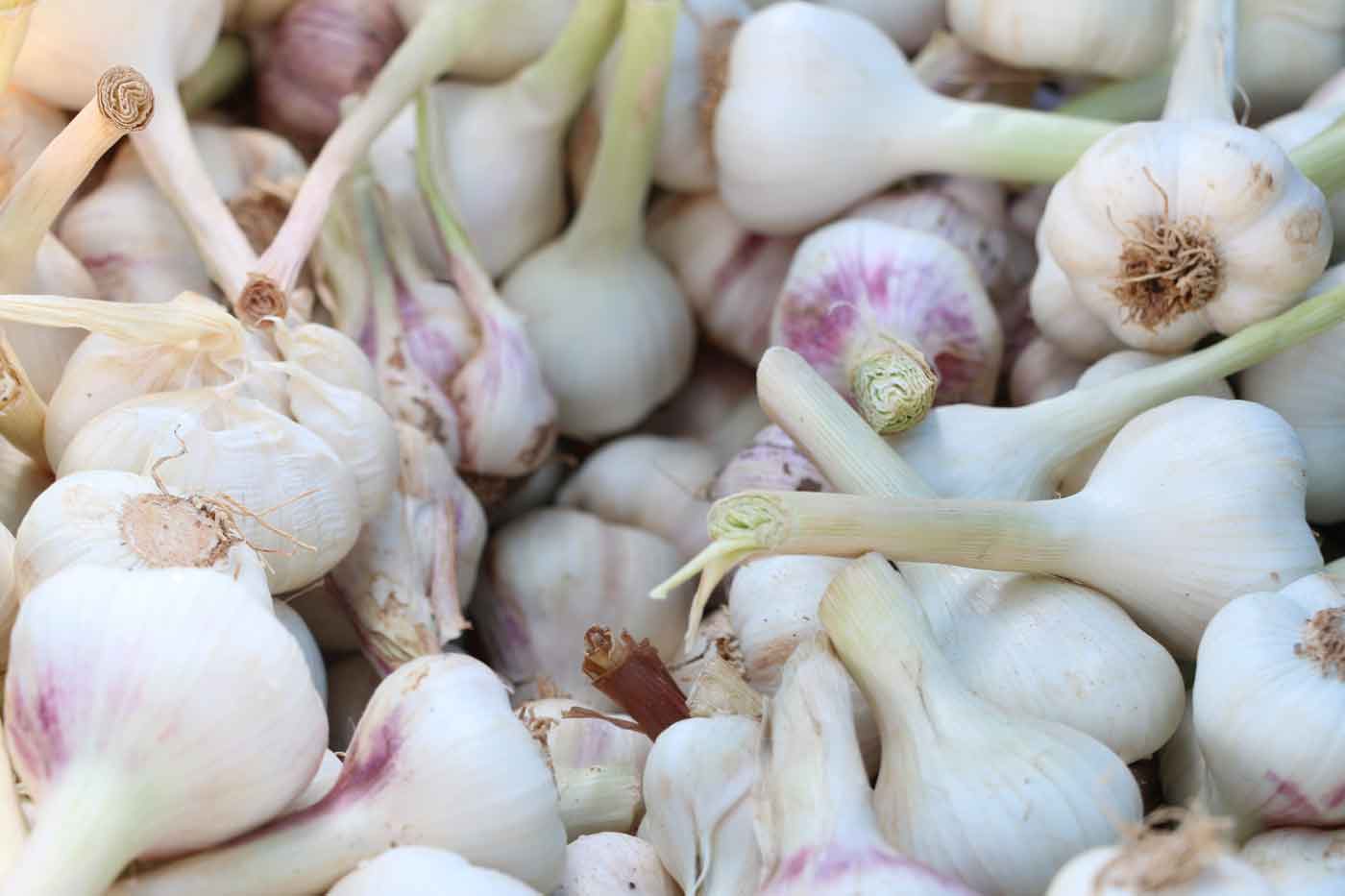
“Each variety has its own characteristics—some are more robust and spicier, while others are milder and slightly sweet,” Peter said. “Chesnok Red is very popular with customers, especially for roasting, because it develops a slightly sweeter, more complex flavor when cooked.”
The Durands focus on hardneck garlic types that flourish in Northern Virginia’s cooler weather conditions. These hardneck varieties feature prominent stems and substantial cloves, earning recognition from professional chefs and home cooks for their intricate, bold taste profiles. In contrast, softneck garlic adapts better to warmer regions, producing smaller, densely arranged cloves with flexible stalks perfect for braiding and extended storage.
Farmers typically plant garlic during autumn months, allowing the crop to experience necessary cold temperatures throughout winter that promote proper bulb formation. Early spring brings the harvest of green garlic, followed by scapes and fully developed bulbs in late June.
Following harvest, bulbs undergo a curing period lasting several weeks—a vital process that enhances flavor development and enables appropriate storage conditions.
“Virginia is a great place to grow garlic, and it’s exciting to see more interest in locally grown specialty crops like this,” Peter said.
In Culpeper County, Don Haight, Jr. cultivates multiple garlic varieties across his 6-acre agricultural operation. Along with standard garlic bulbs and scapes, he focuses on producing black garlic—a specialized product created through extended aging in carefully monitored conditions.
“The aging process takes several months,” said Haight, owner of Farmer D’s Black Garlic, explaining that the cloves transform into a smooth, pliable consistency perfect for cooking applications or serving as a spread on crackers.
“It’s sweet and savory, like a date or a fig,” he described.
Haight chose to pursue black garlic production due to its enhanced health properties. Traditional garlic contains beneficial antioxidants and vitamins while supporting immune system function, but black garlic has gained popularity for its elevated antioxidant levels and potential benefits for blood sugar regulation and cholesterol reduction.
Those interested in garlic cultivation can view Real Virginia’s From the Ground Up program, while garlic recipe ideas are available on Heart of the Home. Local garlic producers can be located through the Virginia Grown directory.