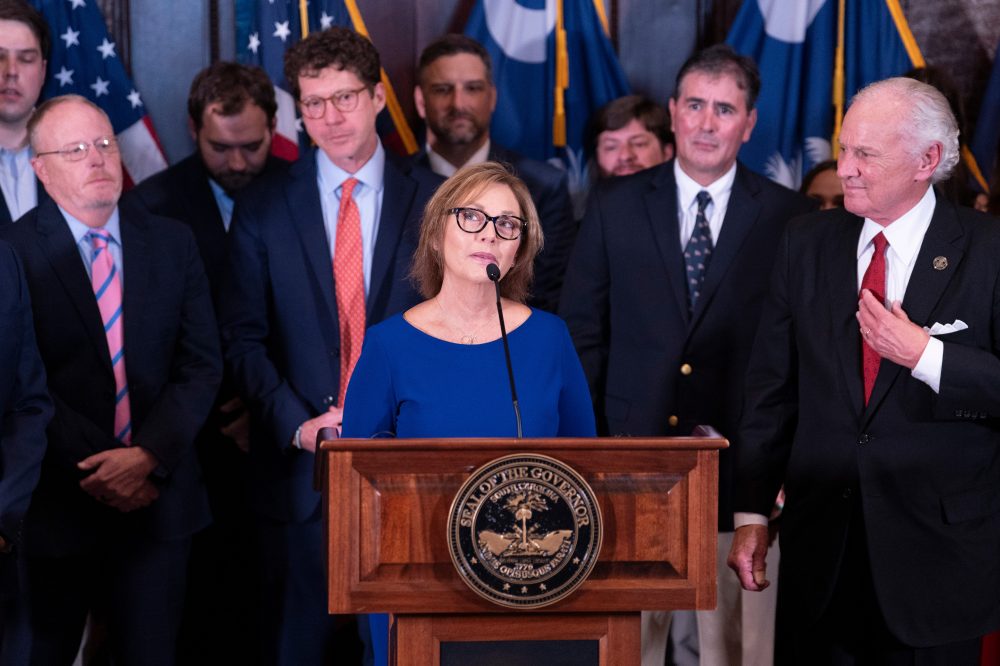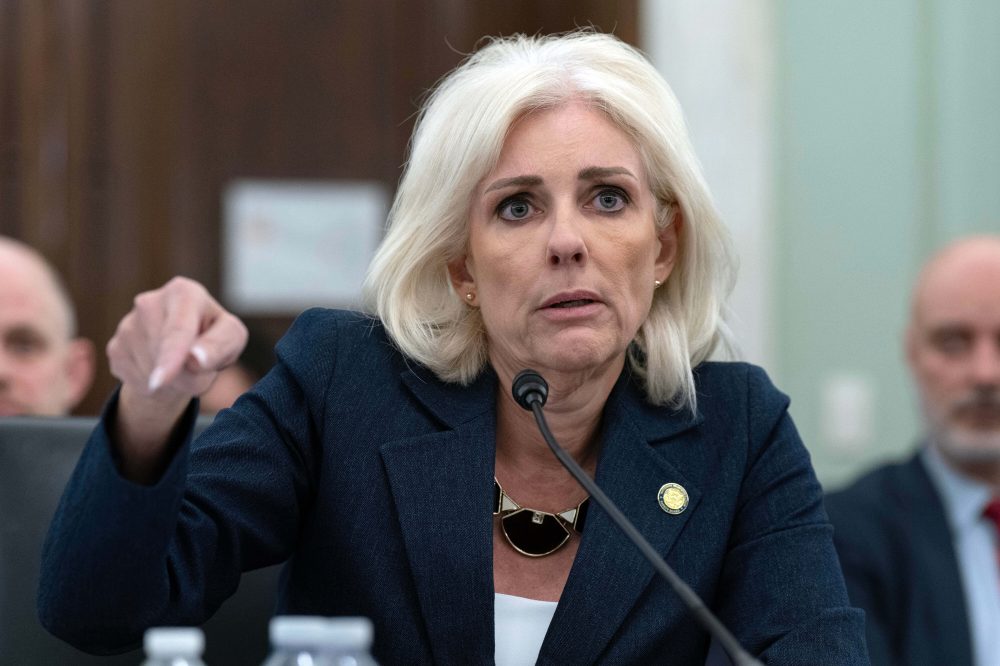

The chairwoman of the National Transportation Safety Board delivered sharp criticism Thursday against House lawmakers, saying their aviation safety legislation fails to properly implement her agency’s recommendations following a deadly midair collision near the nation’s capital that claimed 67 lives.
Jennifer Homendy, who leads the NTSB, described the House proposal as having “watered-down” provisions that won’t adequately prevent future disasters. She argued that a Senate version, which fell just one vote shy of House passage earlier this week, would be far more effective. The NTSB sent an official letter Thursday afternoon to two House committees stating they cannot support the current legislation.
“We can have disagreements over policy all day. But when something is sold as these are the NTSB recommendations and that is not factually accurate, we have a problem with that. Because now you’re using the NTSB and you’re using people who lost loved ones in terrible tragedies,” Homendy stated. “You’re using their pain to move your agenda forward.”
At the heart of the dispute lies Homendy’s concern, shared by crash victims’ families, that all aircraft should be mandated to carry advanced tracking technology the NTSB has advocated since 2008. This equipment would give pilots better awareness of nearby air traffic. While aircraft already must have Automatic Dependent Surveillance-Broadcast Out systems near major airports to transmit their position, the ADS-B In technology that receives location data from other aircraft remains optional.
Rather than mandating ADS-B In systems, the House proposal would direct the Federal Aviation Administration to develop regulations for the most advanced tracking technology available. However, the legislation includes exceptions for corporate jets and smaller aircraft in certain airspace areas. Homendy also criticized weaknesses in other provisions, including restrictions on military authority to disable tracking systems and insufficient requirements for ensuring the technology functions properly.
House Transportation and Infrastructure Committee leaders Sam Graves and Rick Larsen chose not to address Homendy’s remarks Thursday, though they have previously stated their ALERT bill properly handles the 50 safety recommendations the NTSB issued after investigating the crash between an American Airlines aircraft and an Army Black Hawk helicopter.
The lawmakers defended their approach and promised collaboration with families, Senate colleagues, and industry representatives to create the most effective solution quickly. Committee markup of the bill is expected within weeks.
“From the beginning, we have stressed the importance of getting this right, and we are confident that we will achieve that goal,” Larsen and Graves stated. House Speaker Mike Johnson has also expressed commitment to advancing the legislation.
The NTSB published a detailed comparison between their recommendations and the House bill, documenting numerous areas where the proposed law doesn’t fully address necessary reforms.
Doug Lane, whose wife and son died in the January 29, 2005 collision, joined other bereaved families in calling the House measure “not really a serious attempt to address the NTSB recommendations.” Lane suggested the bill’s timing, introduced days before voting on the Senate’s ROTOR Act, appeared calculated to undermine that unanimous Senate proposal and delay ADS-B In requirements through extended regulatory proceedings.
Matt Collins, who lost his brother Chris in the tragedy, emphasized that mandatory ADS-B In systems are essential for family approval.
“As far as the ALERT act — the way it’s written now, I can’t endorse the way its written now. It needs to include ADS-B In,” Collins declared. “It’s non-negotiable for us as family members, extremely non-negotiable.”
While the NTSB identified systematic failures and years of unheeded warnings as primary crash factors, Homendy has maintained that ADS-B In equipment on both aircraft, if activated, would have prevented the collision. Army protocols at the time required helicopters to fly with such systems disabled to maintain operational secrecy, despite the involved helicopter conducting routine training rather than sensitive operations.
Homendy accused House members of selectively incorporating NTSB recommendations rather than comprehensive implementation.
“We were very explicit of what needed to occur,” Homendy explained. “When we issue a recommendation, those recommendations are aimed at preventing a tragedy from happening again. And if you’re just going to give us half a loaf, it’s not going to do it. We’re not gonna save lives.”