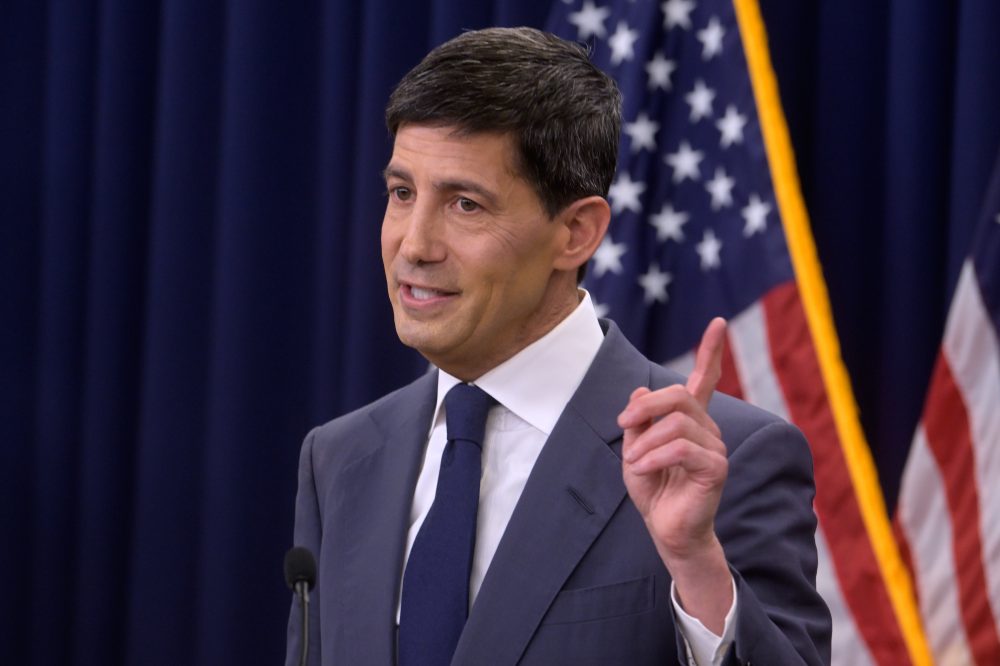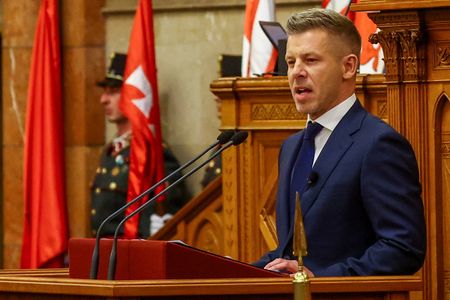

Peter Magyar officially took the oath of office as Hungary’s new prime minister on Saturday, riding into power on campaign pledges to transform the country after years of economic struggles and deteriorating relationships with Western partners during Viktor Orban’s lengthy tenure.
The center-right politician toppled the nationalist Orban in a decisive April 12 electoral victory, ending Orban’s 16-year grip on power. Magyar’s Tisza party secured a constitutional majority in the vote, positioning him to reverse institutional changes that opponents argue undermined Hungarian democracy.
Markets and citizens have responded positively to Magyar’s election win. Hungary’s currency, the forint, reached four-year peaks against the euro, government bond yields dropped, and polling conducted after the election shows increased support for the Tisza party.
However, the 45-year-old leader faces immediate challenges, as he must quickly secure billions of euros in frozen European Union funds essential for reviving Hungary’s struggling economy and addressing the country’s financial difficulties.
“Hungarian people have given us a mandate to put an end to decades of drifting,” Magyar stated. “They have given us a mandate to open a new chapter in Hungary’s history. Not only to change the government, but to change the system as well. To start again.”
The new prime minister takes control of an economy that barely escaped recession in the first quarter and now confronts new challenges from rising energy prices connected to Middle Eastern conflicts, which could significantly impact Europe’s import-dependent economies.
Government financial data released Friday revealed Hungary’s budget shortfall had already consumed 71% of the annual target by April, largely due to Orban’s pre-election spending spree. Magyar has warned the deficit might climb to 7% of the country’s economic output this year.
Magyar has committed to restoring Hungary’s alignment with Western nations. The NATO member country had been perceived as moving closer to Moscow under Orban, who resisted European Union initiatives to assist Ukraine in defending against Russia’s military invasion.
The new leader has also announced plans to halt public media news programming after assuming power, claiming state-controlled media and pro-Orban outlets helped the former prime minister retain control while limiting coverage of opposition voices.
Magyar, who has vowed to launch an extensive anti-corruption campaign, is working to negotiate an agreement with EU officials to release the suspended funding by May 25.