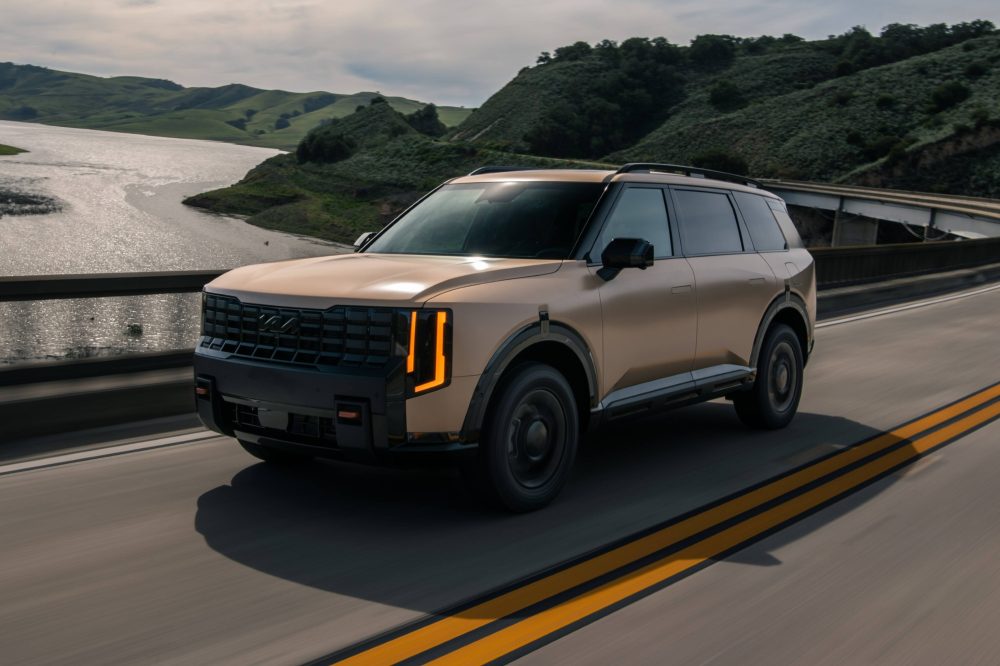

Two popular three-row family SUVs have earned recognition as top choices from automotive experts for several years running. These vehicles offer spacious seating arrangements, sophisticated styling, abundant standard features, and price points that could save buyers thousands compared to competitors. However, choosing between the Kia Telluride and Hyundai Palisade presents challenges since both share mechanical components and numerous similarities. The decision has become more complex following complete redesigns of both models.
The 2026 Palisade received a comprehensive refresh featuring updated exterior styling, advanced technology additions, and a new hybrid engine option delivering fuel economy in the mid-30s range. Kia implemented similar updates for the newly launched 2027 Telluride. Despite these similarities, important distinctions exist between these SUVs that potential buyers should understand. Automotive testing specialists have evaluated both vehicles to determine which better serves family transportation needs.
While both SUVs maintain similar overall exterior measurements, their interior configurations differ notably. The Palisade provides additional front-seat legroom and offers an optional front passenger seat featuring deep recline capability and an integrated footrest resembling premium lounge furniture. These luxury-style seats are also available for second-row captain’s chair positions. Though the Telluride delivers comfortable and attractive interior space, it cannot match the Palisade’s potential for premium comfort in front and middle seating areas.
Cargo capacity specifications favor the Telluride for space behind the third row. However, real-world testing revealed limitations when loading hard-shell luggage that interfered with rear door operation. The Palisade’s available power-adjustable third row provided an advantage here, allowing seats to slide forward sufficiently to accommodate full-size suitcases.
Interior materials and atmosphere quality remain comparable between both vehicles. The Telluride features a modern design theme emphasizing straight lines and sharp angles. The Palisade draws inspiration from earlier eras with gentle curves and rounded elements reminiscent of mid-century modern aesthetics. Both include standard synthetic leather with premium genuine leather available as upgrades. While personal preferences will vary, the Palisade gains a narrow advantage for superior practical functionality and uncompromised luxury appointments.
Winner: Palisade
Standard engine configurations differ between models, with the Telluride featuring a 274-horsepower turbocharged four-cylinder while the Palisade begins with a 287-horsepower V6. Despite the V6’s superior power ratings, testing demonstrates the four-cylinder Telluride actually delivers stronger performance for highway acceleration and passing maneuvers. Track testing showed the Palisade required 8.8 seconds for zero-to-60 acceleration, while the Telluride completed the sprint in 8.1 seconds.
Both models now offer optional hybrid systems combining turbocharged four-cylinder engines with electric components to generate 329 horsepower while improving fuel efficiency. The front-wheel drive Telluride Hybrid achieves an EPA-estimated 35 mpg combined rating, slightly ahead of the Palisade Hybrid’s 34 mpg figure. The hybrid variants also demonstrate impressive acceleration, with both completing zero-to-60 runs in approximately 7 seconds during testing.
Winner: Telluride
Technology offerings showcase forward-thinking design with impressive display arrays, charging capabilities, and connectivity features. Both vehicles include dual 12.3-inch screens – one serving as digital instrumentation and another providing touchscreen infotainment and climate controls. Apple CarPlay and Android Auto smartphone integration comes standard on both, though the Telluride includes two wireless charging pads as standard equipment, providing greater convenience for simultaneous device charging.
Safety and driver assistance technologies remain virtually identical across both models. Standard equipment includes blind-spot monitoring, adaptive cruise control with stop-and-go capability, and lane centering assistance for reduced driver fatigue during highway travel or heavy traffic conditions. While drivers must maintain steering wheel contact, these systems significantly ease highway driving demands.
Winner: tie
Pricing for the Palisade begins at $41,035 including destination charges, with hybrid versions adding $4,725. The Telluride starts at $40,735 including destination fees, requiring a $7,300 premium for hybrid capability. While the standard Telluride costs slightly less than its competitor, the price difference between entry-level hybrid models is substantial.
The Palisade Hybrid costs less and includes standard second-row captain’s chairs with optional bench seating for eight passengers. The Telluride Hybrid limits capacity to seven passengers with standard captain’s chairs only. Both vehicles include five-year comprehensive warranties and eight-year powertrain coverage.
Winner: Palisade
Distinctive styling, strong value propositions, and available hybrid efficiency make both the Palisade and Telluride excellent choices for family-oriented three-row SUV buyers. When selecting between these closely matched vehicles, the Palisade’s enhanced luxury character and more affordable hybrid pricing provide a slight competitive advantage.
This story was provided to The Associated Press by the automotive website Edmunds. Dan Frio is a contributor at Edmunds.