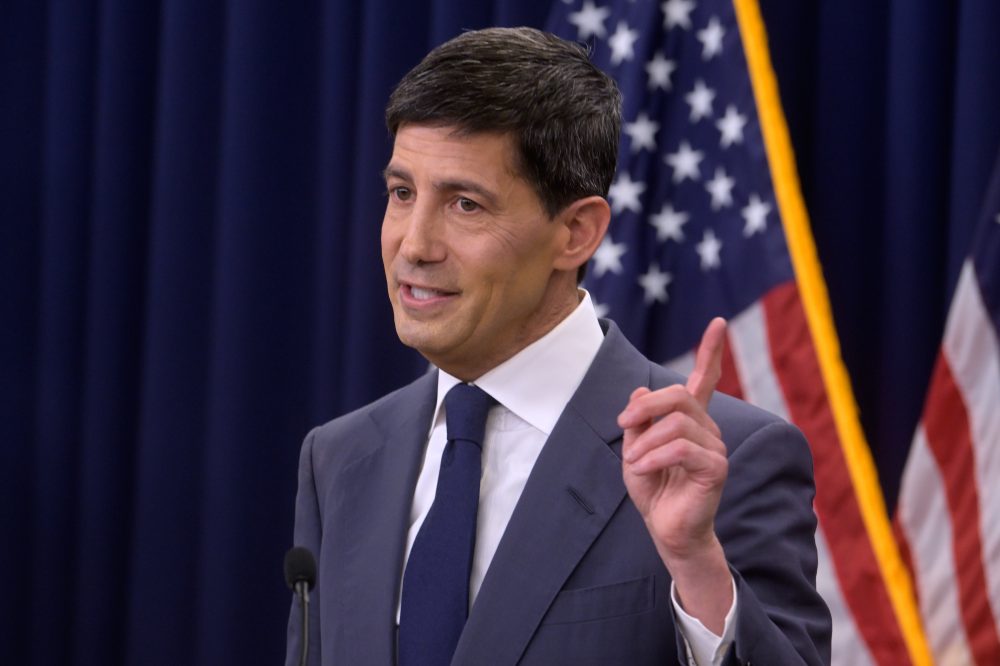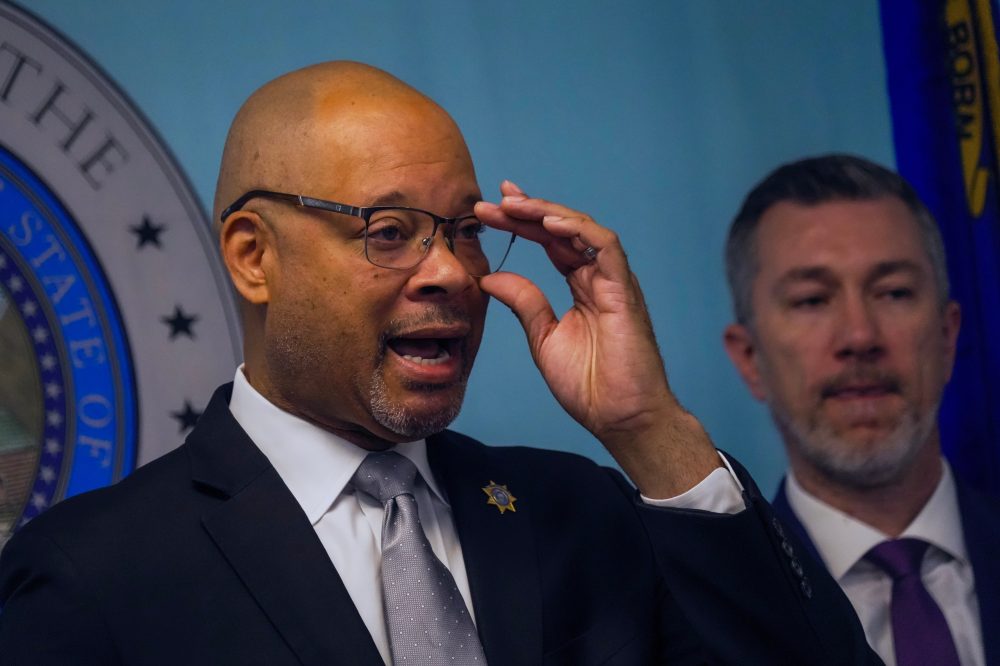

Nevada Attorney General Aaron Ford announced Wednesday that the popular gaming platform Roblox has agreed to pay over $12 million and strengthen child safety measures in what officials are calling a groundbreaking settlement.
“This settlement will create a safer environment for our children online, and I hope that it will serve as a bellwether for how online interactive platforms allow our state’s youth to use their products,” Ford, a Democrat, stated during the announcement.
The online gaming service, which attracts nearly half of all American children under 16, will distribute $10 million across three years to support organizations like the Boys & Girls Club and other offline youth activities, according to Ford. Additional funds will establish a law enforcement liaison role dedicated to addressing platform safety issues and will support a digital safety awareness initiative.
This agreement, reached to avoid court proceedings, mandates stronger safeguards for underage users, including mandatory age verification for all accounts and limitations on evening notifications sent to minors. The company currently faces legal challenges in Texas and Kentucky over allegations of inadequate child protection measures.
“Roblox is proud to have worked alongside Attorney General Ford to reach this landmark agreement, which builds on our work to establish a new standard for digital safety,” stated Matt Kaufman, the company’s Chief Safety Officer.
Kaufman emphasized that the deal establishes a framework for collaboration between technology companies and government officials to safeguard children online.
This development follows recent legal action against social media corporations regarding their impact on young people. Just last month, courts held Meta and YouTube responsible for creating platforms designed to captivate young users without considering their welfare.
Under the new terms, Roblox will deploy facial recognition technology to estimate user ages and restrict younger players’ communication to peers in similar age brackets. Adults and users under 16 will be prohibited from chatting unless they have established a verified friendship, Ford explained. Verified friends can only be added through QR codes or phone contacts to ensure children know the person offline. The company will also monitor user behavior to detect age misrepresentation.
The platform will establish dedicated children’s accounts for users under 16, blocking access to mature content and offering games reviewed for age-appropriateness. The settlement also extends parental supervision tools to all users under 16, expanding beyond the previous limit of 13 years old.
Donch’e King, a supervising criminal investigator with the attorney general’s office, noted that approximately 500,000 online predators target children at any time across various platforms. Most predatory interactions happen through chat features and direct messaging, he explained. King encouraged parents to have open conversations with their children about online platforms and to contact law enforcement with any concerns.
“Protecting Nevada’s children is not an option; it’s our duty,” King declared.