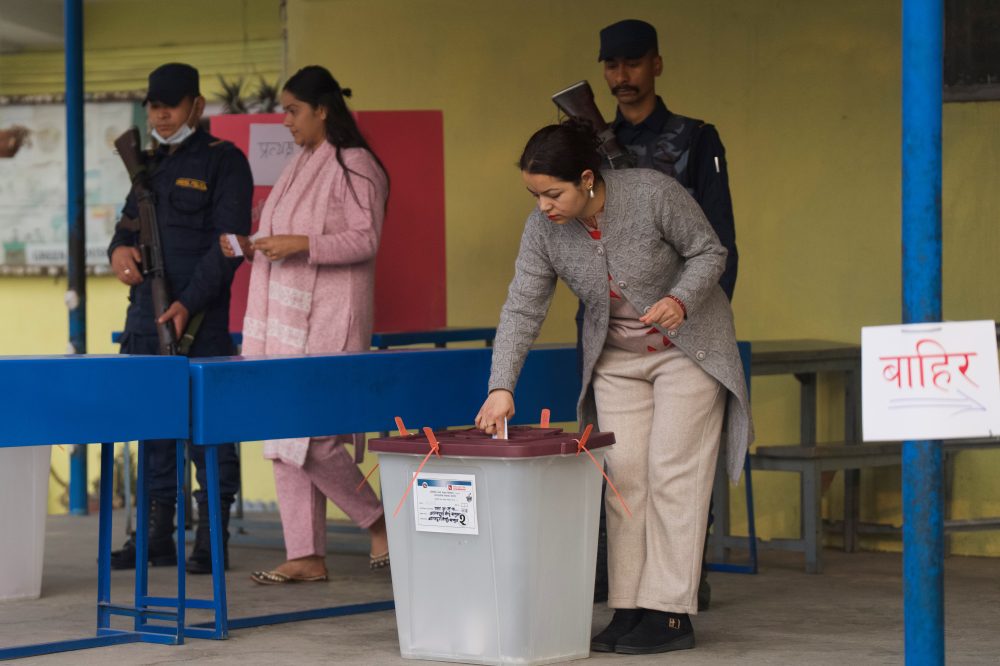

KATHMANDU, Nepal (AP) — Voters across Nepal headed to polling stations Thursday for the country’s inaugural nationwide election following last year’s deadly youth uprising that drove the ruling government from office.
Armed security personnel monitored streets and stood watch at voting locations throughout the mountainous country of approximately 30 million residents as citizens queued to vote. Vote tallying will commence Thursday evening, with final outcomes anticipated by weekend’s end.
Officials implemented a vehicle ban on roadways and outlawed political demonstrations and public assemblies. Campaign activities of any kind are forbidden on voting day.
The Election Commission reports that close to 19 million citizens qualify to participate in the election.
Citizens will choose 165 representatives directly for the House of Representatives, Parliament’s lower house. The additional 110 positions in the 275-seat legislature will be distributed via proportional representation, where political organizations select lawmakers according to their voting percentage.
Political observers view this as a triangular race, influenced by citizen dissatisfaction with rampant corruption and calls for increased governmental transparency.
The National Independent Party, established in 2022, leads polling predictions and presents a formidable opposition to two historically powerful organizations — the Nepali Congress and the Communist Party of Nepal (Unified Marxist–Leninist).
Balendra Shah, the emerging party’s candidate for prime minister, transitioned from rap music to politics, securing Kathmandu’s mayoral position in 2022 and becoming a prominent voice in the 2025 demonstrations that removed former Prime Minister Khadga Prasad Oli.
The 35-year-old Shah has capitalized on widespread dissatisfaction with established political organizations. During his campaign, he emphasized healthcare and educational improvements for Nepal’s impoverished population.
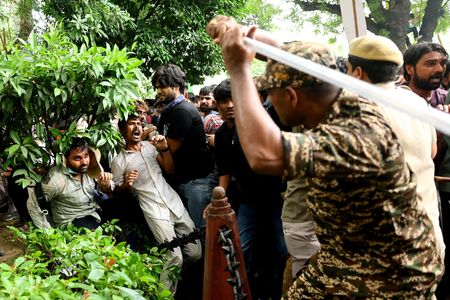
The student-driven demonstrations against governmental corruption and ineffective leadership began with social media restrictions before escalating into widespread resistance against authorities. Violence erupted when demonstrators stormed government facilities and law enforcement responded with gunfire, resulting in dozens of deaths and hundreds of injuries.
Although Congress and Communist parties maintain dedicated supporter networks, Shah’s organization has attracted significantly larger campaign audiences, demonstrating its increasing popularity among young voters seeking political alternatives.
The incoming government will face substantial obstacles. Leadership must fulfill reform promises from last year’s demonstrations, address deeply rooted corruption, and skillfully navigate relationships with neighboring powers India and China.