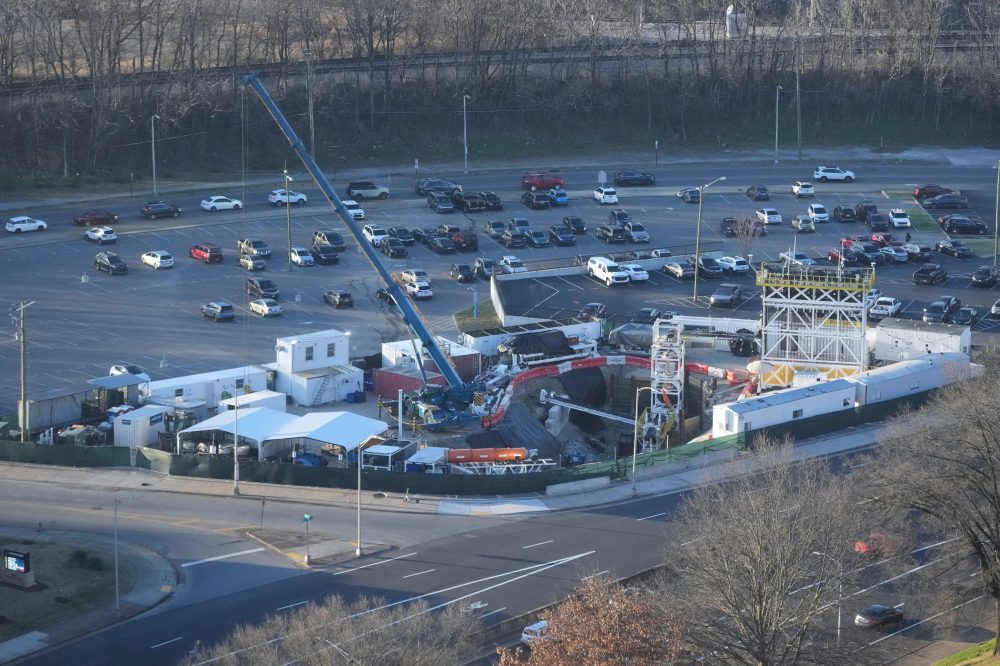

NASHVILLE, Tenn. — Nashville’s metro council has formally registered its opposition to Elon Musk’s underground transportation project, approving a resolution Tuesday night that challenges the tech mogul’s tunnel system on multiple fronts.
Council members voted 20-15 with two abstentions to voice their objections regarding safety issues, lack of transparency, and minimal community involvement in The Boring Company’s Music City Loop proposal. While the resolution cannot halt or modify the project, it serves as an official statement of local government displeasure.
The controversy stems from July when Tennessee’s Republican Governor Bill Lee joined forces with Musk’s tunneling enterprise to announce the ambitious transportation network. The initial proposal covered 13 miles linking Nashville’s airport with the city center, later expanding to approximately 25 miles with an additional western route.
State officials promised the venture would require no taxpayer funding, though it would utilize government property near the state Capitol at no charge. Construction aims to have the first tunnel segment running by early 2027.
The transportation system would operate using specially designated Tesla cars with professional operators, featuring over 30 planned stations with room for future expansion. Company representatives indicate fares would undercut existing transit alternatives. While human drivers would initially control the vehicles, autonomous operation remains a future possibility.
Resolution sponsor Delishia Porterfield addressed her fellow council members before the vote, stating: “Colleagues, public land needs to be for public good and public infrastructure decisions must prioritize the welfare, safety and express needs of Nashville residents.”
Council member John Rutherford, who opposed the resolution, urged colleagues to separate their personal views of Musk from the project itself. He warned that rejecting the proposal could eliminate future negotiations with The Boring Company.
The Boring Company declined to provide immediate commentary when contacted.
Musk’s company currently operates a Tesla tunnel network in Las Vegas, though construction remains incomplete. Additional facilities include experimental tunnels in Texas designed for high-speed autonomous pods reaching 600 mph. While some proposed projects in other cities have been abandoned, Dubai has approved plans for an international tunnel.
The Nashville announcement faced immediate complications when Democratic Representative Justin Jones, whose district encompasses the airport, was prevented from attending the July press conference.
Boring Company CEO Steve Davis praised Nashville’s cooperation during the project launch, saying: “Nashville has been fantastic. Moved at an incredible speed, so welcoming, so kind, so so friendly.”
However, local leaders and community advocates expressed surprise at the announcement, with the council resolution questioning why city officials weren’t properly consulted about such significant changes to Nashville’s transportation strategy. This comes as the city continues implementing transit improvements following voter approval of increased transit funding in 2024.
The resolution highlights geological and environmental risks, specifically Nashville’s limestone foundation that increases sinkhole probability and affects water flow patterns. The city’s flooding history adds another layer of concern.
During a recent council session, Boring Company officials fielded questions from both council members and residents worried about environmental damage, tunnel safety, and compliance with disability access requirements.
Company representatives defended their safety record, with Vice President David Buss noting Nashville’s suitability for tunneling based on existing underground infrastructure built by other organizations. He emphasized The Boring Company’s “strong track record in safely managing variable ground conditions,” citing their Las Vegas experience.
This marks the second time a Musk-affiliated company has faced Tennessee criticism for circumventing regulations without advance warning. His xAI data center in Memphis began operations in 2024 using gas turbines that produce emissions, all without obtaining proper permits first, sparking heated public protests at city meetings.