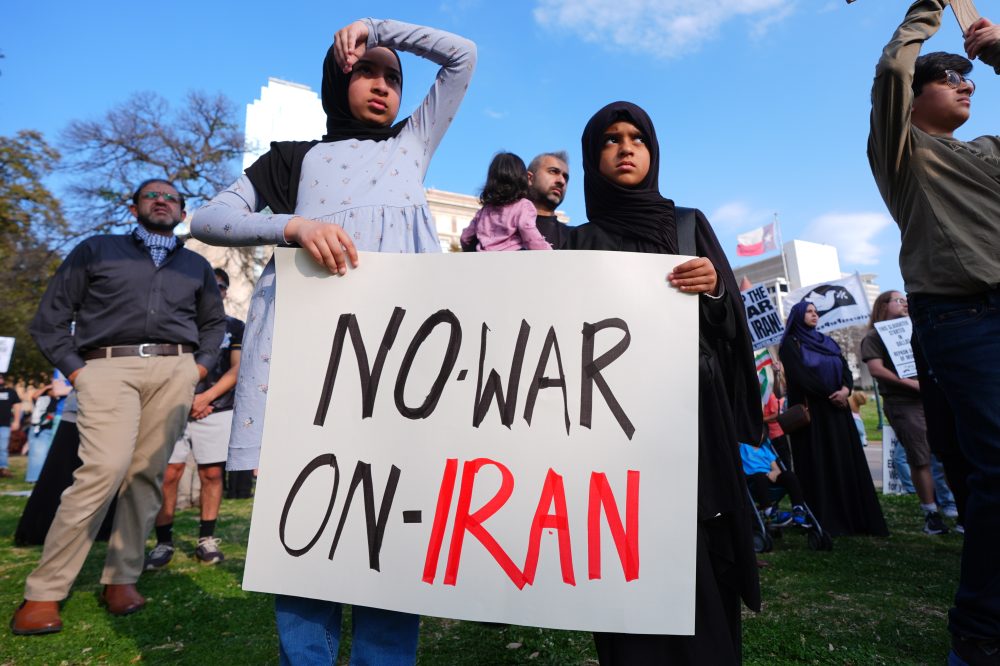

The rapidly evolving Middle East crisis presents a complex challenge for parents trying to help their children understand events they encounter through social media, adult conversations, or direct experience. Mental health professionals warn that even indirect exposure to warfare can significantly impact children’s thoughts, emotions, and behavior patterns.
Child development specialists strongly advocate for open communication about these difficult topics.
“Adults often believe that avoiding discussion of challenging subjects makes them disappear, but children’s reality works differently,” explained Rebecca Smith, who leads global child protection efforts at Save the Children, an international humanitarian organization. “When we sidestep or ignore conflict discussions, children can feel isolated, abandoned, and frightened. Having transparent, honest dialogue with young people becomes crucial for helping them understand current events.”
Mental health professionals offer specific recommendations for approaching these sensitive conversations with children.
Specialists suggest beginning by discovering what children already understand about situations in Ukraine, Gaza, Iran, Israel, Sudan, and other affected regions before addressing emotions like fear, sadness, anger, or worry.
Many children remain unaware that tensions have intensified between the United States and Israel versus Iran and its allied groups. Meanwhile, other young people may possess more knowledge than parents suspect while hiding their emotional responses. Children currently in or visiting Middle Eastern conflict zones have witnessed missile strikes illuminating the night sky and may personally know victims or displaced families.
“Children now watching missiles streak across their skies face a completely new and frightening reality,” Smith noted. “These events shatter a child and family’s fundamental sense of security. Previously stable and safe environments suddenly become unpredictable.”
Helping children navigate their emotions requires trusted adults to prioritize their own mental health first, according to specialists. The National Child Traumatic Stress Network advises that adults sharing their own emotions with children creates opportunities to communicate personal values and beliefs about treating others with respect. The crucial element involves avoiding assumptions about children’s thoughts or feelings.
When children resist conversation or need more time, specialists recommend patience while reassuring them of continued support and availability.
“We must honor a child’s right to decline communication, their choice to remain silent or withhold information. They experience their own emotions and mental states that they may prefer to keep private,” stated child psychologist Nataliia Sosnovenko, speaking in Ukrainian. Sosnovenko collaborates with Voices of Children, a Ukrainian organization providing psychological assistance and recording children’s wartime experiences during the ongoing conflict with Russia.
Children who choose to share their observations, emotions, or questions deserve validation of their feelings and honest, age-appropriate responses about current events, experts emphasize.
The American Psychological Association suggests providing children with fundamental, developmentally suitable information about warfare and conflict while addressing disturbing images, headlines, or conversations they’ve encountered without unnecessary anxiety-provoking details. However, parents understand their children’s needs better than anyone, specialists acknowledge.
Families with relatives in conflict regions may require additional time discussing loved ones’ safety and managing uncertainty’s challenges. Families living within these areas should establish separation contingency plans. Save the Children experts recommend keeping plans straightforward and practicing them calmly.
Young children can grasp the concept of countries fighting, but those living elsewhere may struggle distinguishing between screen images and nearby events. For American children, Iranian conflicts may appear closer than reality when frequently viewing television or social media coverage, requiring extra safety reassurance.
Older children typically comprehend warfare and its aftermath, leading to increased concern and questioning, notes the American Psychological Association. Adults might consider emphasizing controllable factors and empowering children through humanitarian support, staying informed, and combating misinformation.
UNICEF, the United Nations children’s humanitarian agency, acknowledges that having incomplete answers remains acceptable.
In Lebanon, families have taken shelter in a brick school facility since Saturday. Nora Ingdal, Save the Children’s Lebanon Country Director, reports children asking numerous questions about conflict origins and normalcy’s return.
“One daughter clung to her mother, looking up and asking, ‘Mom, why are they fighting? Why are they attacking us?’ The mother looked at me without answers. Then she asked, ‘When are we going home?’ Again, the mom looked at me,” Ingdal recounted. “I told her, ‘It’s acceptable to admit uncertainty, you cannot promise anything, but I’m here supporting you.’”
While international organizations believe children should understand global events, experts maintain adults must protect youngsters and minimize unnecessary exposure.
Parents should monitor children’s news consumption levels. Younger children require less exposure, according to the National Child Traumatic Stress Network.
Some organizations recommend completely eliminating news or restricting adult conversations about distressing events within children’s hearing range. Others suggest using these moments to teach children about journalism’s importance, locating accurate information, and identifying false or misleading content.
Save the Children encourages caregivers to demonstrate responsible digital habits, discourage sharing harmful or graphic material, and remind children to consider twice before distributing potentially inaccurate or emotionally disturbing content.
Caregivers supporting children in conflict zones must remember that some young people have never experienced peacetime and cannot disconnect from surrounding events, Sosnovenko emphasized. Professional assistance may enhance conversations and education in these situations.
“War has changed the types of people seeking our services,” she explained. “As psychological awareness improves among the population, people recognize therapy’s importance. Currently, most people and children need psychological assistance.”