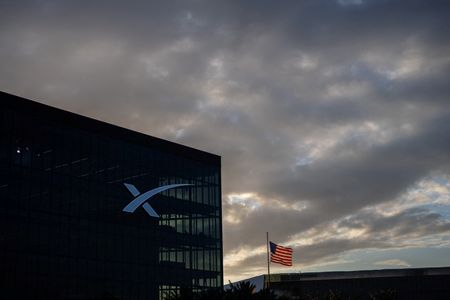

Elon Musk’s space exploration company is relying on Texas corporate regulations to shield itself from unwanted takeover attempts and aggressive investors seeking company changes, according to regulatory documents obtained by Reuters.
The rocket manufacturer is gearing up for what industry experts believe could become the biggest initial public offering ever recorded, potentially transforming space ventures from high-risk speculation into standard investment opportunities.
In its S-1 regulatory submission, SpaceX outlined how Texas statutes and corporate governance rules will create barriers against unwelcome advances. “Some provisions of Texas law, and our charter and our bylaws contain provisions that could make the following transactions more difficult: acquisitions of us by means of a tender offer, a proxy contest or otherwise, or removal of our incumbent officers and directors,” the company stated in the filing.
The document explained that Texas anti-takeover regulations are “expected to discourage coercive takeover practices and inadequate takeover bids.” Any entity attempting to acquire SpaceX would be required to “first negotiate with us,” according to the filing.
These protective measures may reassure investors during a period when corporations increasingly face pressure from activist shareholders who frequently threaten board member removal through proxy battles to force organizational changes.
Data from Barclays shows activist investors initiated 41 campaigns targeting U.S. corporations during the first quarter of 2026, representing a 3% rise compared to the same period the previous year. Technology and industrial sectors experienced the heaviest activist attention.
Legal experts and industry analysts note that SpaceX’s decision to incorporate in Texas makes geographical sense, given that the company builds its Starship vehicles at its Starbase facility in the Lone Star State, rather than choosing Delaware where most Fortune 500 corporations establish their legal headquarters.
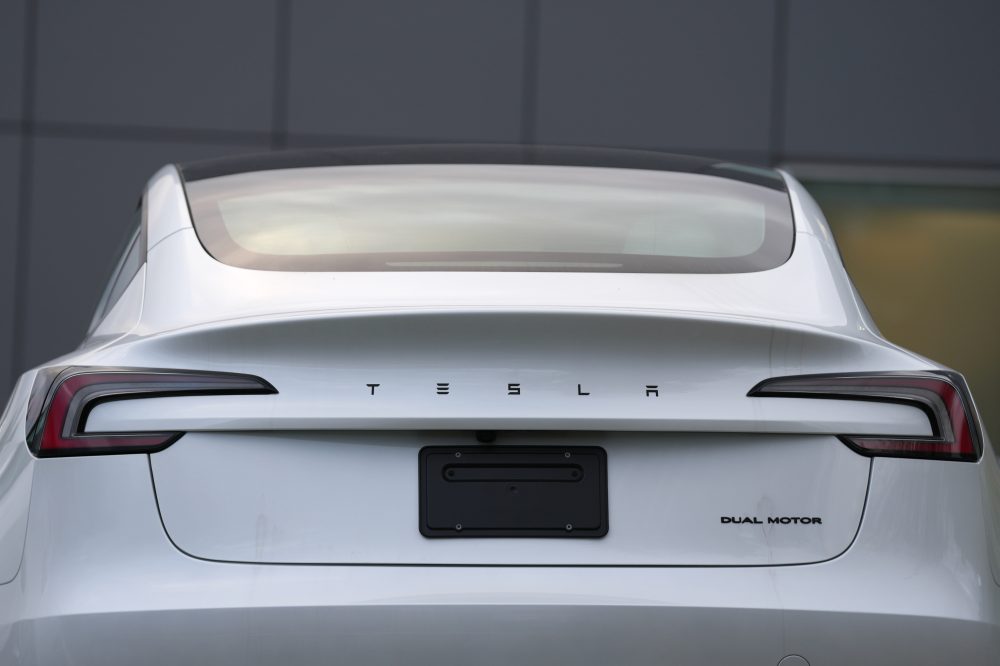
However, Musk’s choice also stems from personal motivations. Tesla, his electric vehicle company, relocated its incorporation to Texas two years ago following a Delaware court ruling that invalidated his $56 billion compensation agreement. Though the Delaware Supreme Court subsequently overturned that decision and restored the pay package, the experience influenced Musk’s corporate strategy.
Legal professionals and business analysts suggest that by choosing Texas, SpaceX aims to concentrate authority within its board while diminishing shareholder influence.
They point out that Texas regulations enable companies to prohibit numerous types of lawsuits and limit shareholder proposal submissions. Corporate governance specialists have cautioned that restricting shareholder proposals might reduce the appeal of U.S. company investments.
Proxy advisory organizations such as Institutional Shareholder Services and Glass Lewis, whose guidance typically influences investor decisions on board compositions and merger approvals, may face requirements to publicly reveal when their recommendations consider “nonfinancial factors,” including environmental, social, or governance considerations.