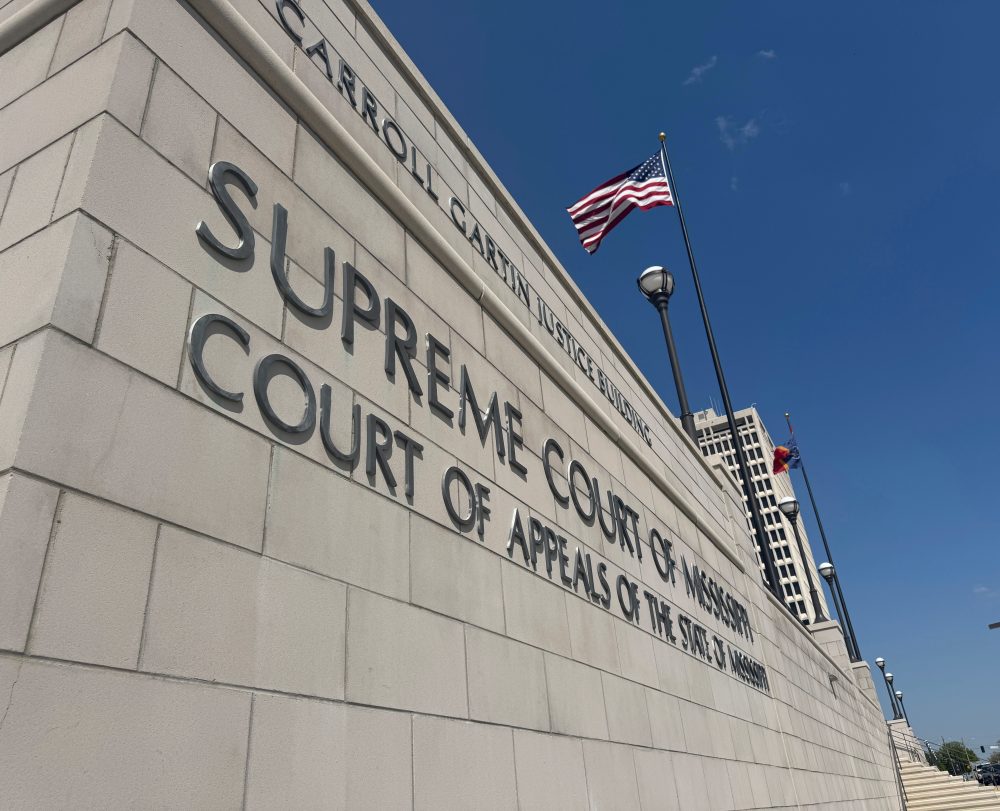

Mississippi Governor Tate Reeves announced Friday his intention to convene a special legislative session focused on judicial redistricting after the U.S. Supreme Court delivers its decision on a significant voting rights case with nationwide implications for minority political representation.
The high court heard arguments last fall in Louisiana v. Callais, a case that could potentially eliminate Section 2 of the Voting Rights Act, which has served as a key tool against racially discriminatory voting practices. Legal experts anticipate the court will issue its ruling before the current term concludes in June, with many observers believing the justices may strike down this provision based on oral arguments.
Should the Supreme Court eliminate Section 2, state and local officials would gain greater freedom to redraw electoral boundaries without facing challenges from minority voters who claim such maps weaken their political influence. Such a ruling could particularly benefit Republicans seeking additional House seats by removing Democratic-leaning districts with Black or Latino majorities, particularly across Southern states, though most redistricting changes would likely occur after this year’s midterm elections.
Reeves signed his special session proclamation Thursday, addressing a particular dispute over Mississippi Supreme Court judicial districts. A federal judge ruled last August that Mississippi must redraw its Supreme Court electoral boundaries, determining they violated Section 2 by diminishing Black voter influence.
In his official proclamation, Reeves stated that the absence of a Supreme Court decision has “deprived the Mississippi Legislature of its undisputed federally recognized right” to address the Section 2 violation.
Through social media, the governor expressed hope that the Supreme Court “will reaffirm the animating principle that all Americans are created equal.” He indicated the Legislature will begin its special session three weeks following the Supreme Court’s announcement in the Louisiana case.