
A U.S. military pilot who disappeared after Iranian forces brought down an American fighter aircraft has been successfully recovered, President Donald Trump announced on social media early Sunday morning.
The rescue operation concluded an intense search effort that began Friday when an F-15E Strike Eagle fighter jet crashed, with Iranian authorities offering bounties for anyone who could capture the “enemy pilot.” Another crew member from the same aircraft had been recovered in an earlier operation.
“This brave Warrior was behind enemy lines in the treacherous mountains of Iran, being hunted down by our enemies, who were getting closer and closer by the hour,” Trump wrote.
According to Trump’s statement, the rescued aviator sustained injuries but “will be just fine.” The president detailed that the recovery mission utilized “dozens of aircraft” and that American forces had maintained constant surveillance of the pilot’s position “24 hours a day, and diligently planning for his rescue.”
This marks the initial U.S. military aircraft lost over Iranian soil since hostilities commenced in late February.
Trump declared last week that America had “decimated” Iran and would conclude the conflict “very fast.” However, just two days following that statement, Iranian forces successfully destroyed two U.S. military aircraft, demonstrating the continued dangers of the aerial campaign and Iran’s capacity to retaliate despite military setbacks.
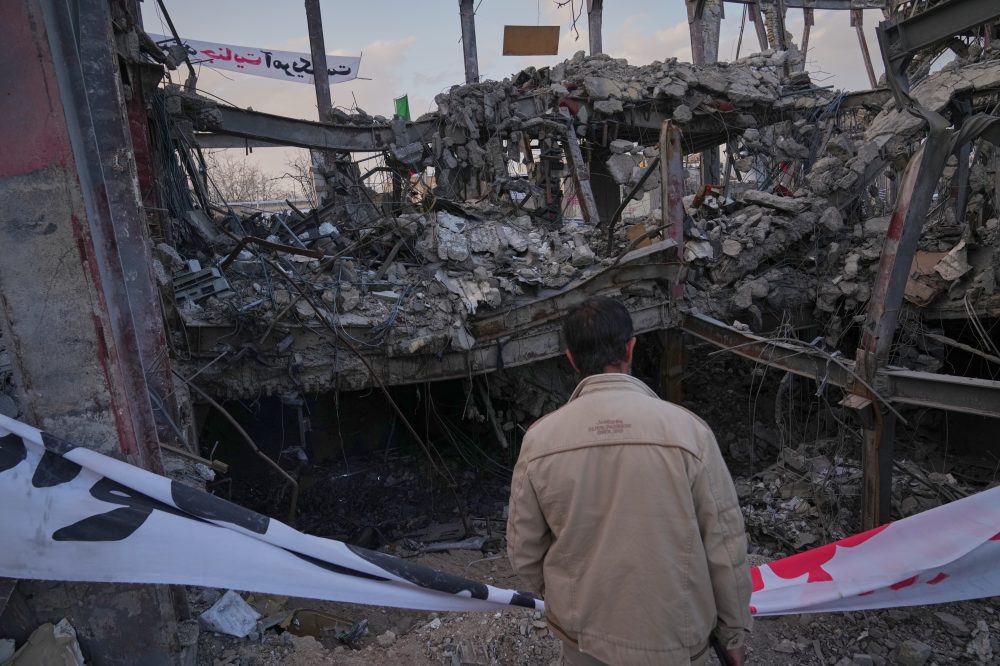
The conflict initiated with combined U.S.-Israel military strikes on February 28 and has resulted in thousands of casualties, disrupted international markets, blocked critical shipping lanes, and driven up energy costs. Both nations have targeted and struck civilian infrastructure, prompting warnings about potential war crimes.
The second aircraft lost was a U.S. A-10 attack plane. Military officials have not disclosed the condition of that crew or the precise crash location.
Trump issued fresh ultimatums for Iran to reopen the Strait of Hormuz, a vital passage for worldwide energy transport that Tehran has blocked, demanding compliance by Monday or threatening severe retaliation. In a Saturday social media message, he stated: “Remember when I gave Iran ten days to MAKE A DEAL or OPEN UP THE HORMUZ STRAIT. Time is running out — 48 hours before all Hell will reign down on them.”
Iranian General Ali Abdollahi Aliabadi from the nation’s joint military command responded Saturday evening through state media, warning that “The doors of hell will be opened to you” if Iran’s infrastructure faces attack. The general also threatened all U.S. military facilities throughout the region.
Meanwhile, Pakistan’s Foreign Ministry spokesperson Tahir Andrabi informed The Associated Press that his nation’s ceasefire mediation efforts remain “right on track” following Islamabad’s announcement last week about hosting upcoming U.S.-Iran negotiations.
Iran’s foreign minister Abbas Araghchi stated that Iranian representatives “have never refused to go to Islamabad.”
Diplomatic sources indicate that mediators from Pakistan, Turkey, and Egypt are working to facilitate negotiations between Washington and Tehran, according to two regional officials.
The potential agreement involves halting military actions to enable diplomatic resolution, based on information from a regional official participating in the mediation and a Gulf diplomat briefed on the discussions. Both sources requested anonymity due to the confidential nature of the diplomatic process.
A U.S. official, speaking anonymously about sensitive military matters, confirmed that another American Air Force combat aircraft went down in the Middle East on Friday. The circumstances remain unclear regarding whether the plane crashed or was shot down, and Iranian involvement has not been confirmed.
Iranian state media reported that their defense forces struck down a U.S. A-10 attack aircraft over the Persian Gulf.
Mohammad Bagher Qalibaf, Iran’s parliamentary speaker, issued an indirect threat Friday evening to disrupt shipping through the Bab el-Mandeb, another strategically important regional waterway.
This passage, spanning 32 kilometers (20 miles), connects the Red Sea with the Gulf of Aden and Indian Ocean. Over ten percent of global seaborne oil shipments and twenty-five percent of container vessels transit through this strait.
“Which countries and companies account for the highest transit volumes through the strait?” Qalibaf wrote.
Casualty figures show more than 1,900 deaths in Iran since fighting began.
In Gulf Arab nations and the occupied West Bank, over two dozen people have perished, while Israel reports 19 deaths and the U.S. military has lost 13 service members. Lebanon has experienced more than 1,400 fatalities with over one million people displaced, while ten Israeli soldiers have died in that country.