
A mining operation based in South Dakota has abandoned its plans to drill for graphite in the Black Hills following fierce resistance from tribal nations and advocacy organizations.
Pete Lien & Sons, headquartered in Rapid City, notified the U.S. Forest Service on Thursday that it was pulling back its operational proposal for the drilling venture, according to correspondence shared Friday by the Indigenous advocacy organization NDN Collective. The company stated it has no plans to submit a new proposal for this particular project.
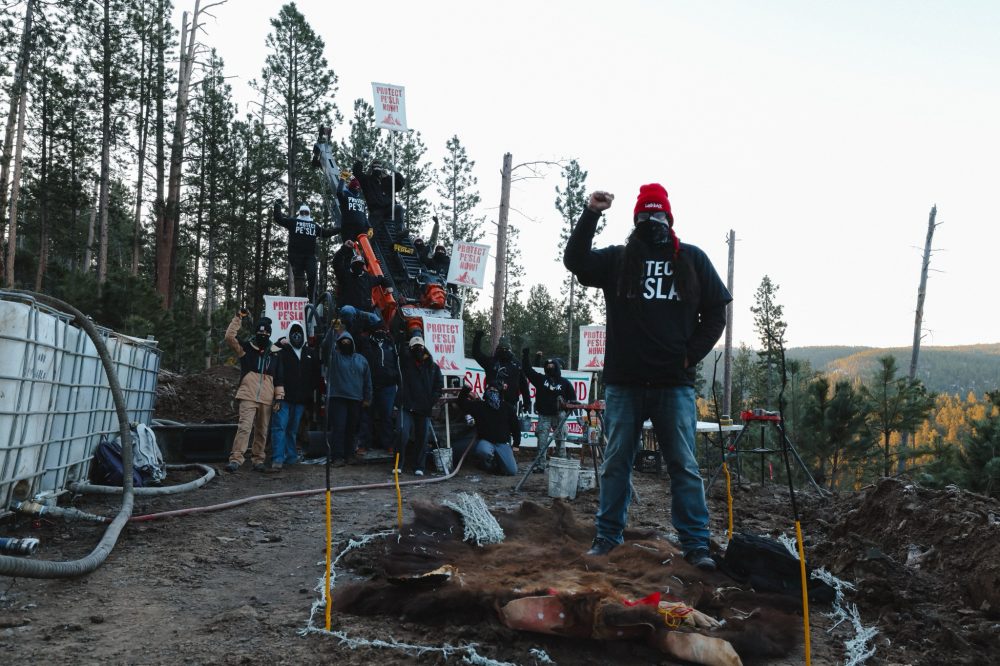
Opposition to the mining plan centered on its location near Pe’Sla, a sacred meadow where Sioux tribal nations conduct religious ceremonies and prayers year-round. The area also serves as grazing land for buffalo herds.
Neither the Forest Service nor Pete Lien & Sons responded to requests for comment Friday afternoon.
A coalition of nine tribal governments from South Dakota, North Dakota and Nebraska had taken legal action against the Forest Service, claiming violations of both the National Historical Preservation Act and National Environmental Protection Act for issuing permits without conducting proper environmental assessments.
Additionally, NDN Collective joined with environmental organizations in separate litigation challenging the Forest Service’s decision to exempt the project from environmental review, arguing it failed to meet categorical exclusion standards. This second case resulted in a judge issuing a temporary restraining order on Monday that halted drilling activities for a two-week period.
NDN Collective released a statement saying “today’s win is multi-faceted and offers a blueprint for future land defense fights.”
The Black Hills region, which gets its name from the dark appearance of pine and spruce trees covering the landscape, houses popular destinations including Mount Rushmore and various state parks. However, the area remains a source of ongoing conflict between mining companies and tribal nations who view the territory as rightfully theirs.
Under the 1868 Treaty of Fort Laramie, the Black Hills were recognized as belonging to Sioux tribes, but the federal government later took control of the region following gold discoveries. While the Supreme Court eventually determined the tribes deserved financial compensation, they have refused payment and continue asserting their territorial rights.