
Military tensions in the Middle East reached a boiling point Saturday as Israel carried out a coordinated strike against Iran with United States backing, marking a dramatic escalation that could reshape regional dynamics.
According to two anonymous U.S. officials speaking to Reuters, American forces have begun conducting their own series of strikes on Iranian targets. The full extent of these air and naval operations remains unclear, while Iranian officials have vowed to respond with overwhelming force.
The coordinated assault has forced Iran’s top leadership into hiding, with sources confirming that Supreme Leader Ayatollah Ali Khamenei has been relocated from Tehran to an undisclosed secure facility.
Israeli Defense Minister Israel Katz justified the military action, stating: “The State of Israel launched a pre-emptive attack against Iran to remove threats to the State of Israel.”
According to Israeli defense sources, this operation represents months of careful planning conducted in partnership with Washington, with the timing finalized several weeks before execution.
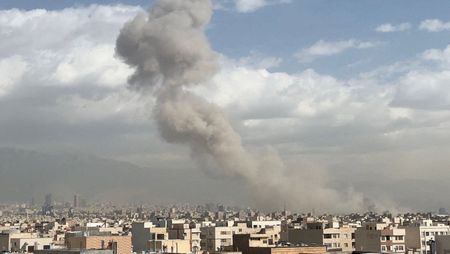
The attacks triggered immediate emergency responses across the region. Iranian media outlets reported hearing explosions throughout Tehran, while Israeli authorities activated warning sirens at approximately 8:15 a.m. local time as a precautionary measure against potential retaliatory strikes.
Israeli officials have implemented comprehensive security measures, shuttering educational institutions and most workplaces while maintaining operations only in critical sectors. The country has also imposed a complete ban on civilian air traffic and urged citizens to avoid all airports.
This military escalation comes despite renewed diplomatic efforts between Washington and Tehran that began in February, aimed at resolving their longstanding nuclear disagreement through peaceful negotiations rather than military confrontation.
However, Israel has maintained that any American agreement with Iran must require the complete dismantling of Tehran’s nuclear capabilities, not merely halting uranium enrichment activities. Israeli officials have also pushed for including Iran’s missile development program in any negotiated settlement.
Iran has indicated willingness to discuss limitations on its nuclear activities in exchange for sanctions relief, but has refused to tie missile program restrictions to nuclear negotiations.
Tehran has also issued stark warnings that it will defend itself against any aggression and has specifically threatened to target American military installations in neighboring countries if Washington proceeds with attacks.
This current conflict follows a 12-day aerial campaign in June that saw direct American participation alongside Israeli forces targeting Iranian nuclear facilities – representing the most significant U.S. military engagement against Iran to date.
During that previous confrontation, Iran responded by firing missiles at the Al Udeid air base in Qatar, which serves as America’s largest Middle Eastern military facility.
International observers have consistently warned that Iran’s ballistic missile development poses serious regional security risks and could potentially deliver nuclear warheads if fully developed, though Tehran continues to deny pursuing atomic weapons capabilities.