
Growing conflicts in the Middle East combined with investors selling off artificial intelligence and technology stocks created widespread market disruption Wednesday, sending stock and bond values lower while boosting the dollar and oil prices.
Market analyst Jamie McGeever examined why Japan might be benefiting from its foreign exchange interventions, challenging the common belief that the yen’s return to previous intervention levels shows Tokyo’s currency support efforts have failed.
Several major market developments highlighted Wednesday’s volatility across different sectors and regions.
Stock markets showed mixed results globally, with Japan’s Nikkei climbing 2.5% to reach a new peak while Brazil dropped 2%. U.S. markets declined with the Dow falling 1.2% and the Nasdaq down 0.9%.
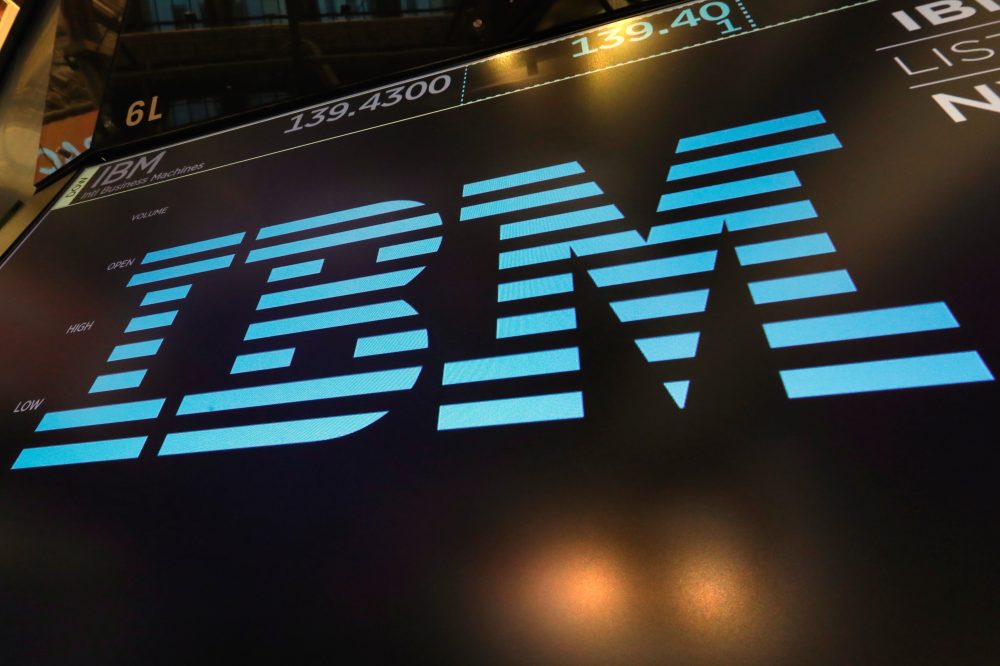
Within the S&P 500, seven sectors declined while five gained ground. Technology stocks fell 1.5% while energy shares rose 1.4%. Individual company moves included IBM dropping 7%, Nvidia declining 4%, and Walmart advancing 3.5%. Broadcom reached a record high before plummeting 7% in after-hours trading.
Currency markets saw the dollar index achieve its highest U.S. close in two months. The USD/JPY pair touched the 160.00 level considered an “intervention zone” threshold. The New Zealand dollar and Swedish krona both dropped 1%, making them the biggest decliners among major currencies.
Bond markets experienced rising U.S. yields, up 4 basis points at the short end, with increased probabilities for Federal Reserve rate hikes in 2026.
Commodity trading showed oil prices gaining 2% while gold fell 1%. Other precious metals declined between 3% to 5%.
Massive initial public offerings are generating significant discussion on Wall Street. SpaceX’s planned IPO could value the company at $1.75 trillion, while Anthropic and OpenAI listings might each reach $1 trillion valuations. Questions remain about whether markets can handle such large new stock offerings.
Historical data suggests caution regarding major IPOs. Sam Grelck at Truist Advisory Services points to inconsistent performance in the weeks, months, and year following major U.S. listings, with each experiencing significant declines within 12 months of going public.
The Japanese yen fell below 160 per dollar Wednesday, crossing the unofficial threshold many experts believe triggers Tokyo’s foreign exchange market intervention to prevent further currency weakness. The last time the yen dropped below 160 per dollar was April 29, leading Japan to sell a record $73.5 billion. Despite this massive intervention just weeks ago, the currency has returned to similar levels, though the situation may be more complex than simple intervention failure.
Three U.S. economic reports Wednesday all exceeded expectations. Private sector employment in May reached its highest level since January of last year, factory orders in April posted their largest increase in 11 months, and service sector activity in May expanded more rapidly than anticipated. The U.S. economic surprises index now stands at its highest point since October 2023.
Thursday’s potential market-moving events include Middle East developments, Australia’s April trade data, euro zone April retail sales, speeches by European Central Bank President Christine Lagarde and Bank of England Governor Andrew Bailey, UK May PMI data, U.S. weekly jobless claims, U.S. May job layoffs data, revised first-quarter U.S. productivity and labor costs, and remarks from Federal Reserve officials including Richmond Fed President Thomas Barkin, San Francisco Fed President Mary Daly, and Vice Chair for Supervision Michelle Bowman.