
A major international economic organization released findings Wednesday showing that extended interruptions to Middle East energy flows caused by the Iran conflict could devastate economies worldwide, triggering recessions in multiple nations while fueling rising prices and job losses.
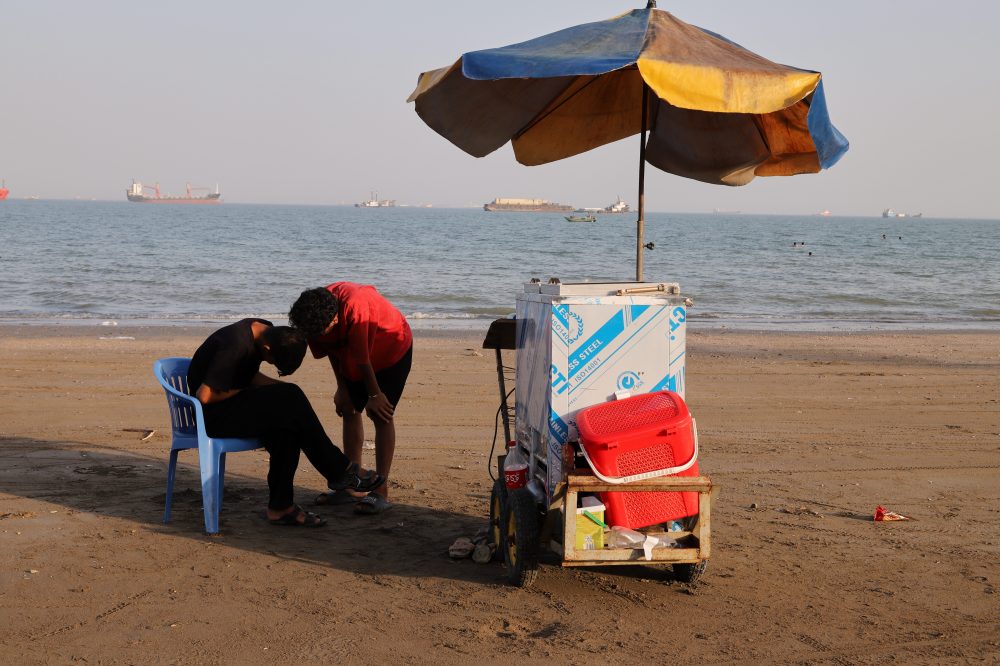
Asian nations relying heavily on oil, fuel, and natural gas from the Persian Gulf would face the most severe impacts, according to the Organization for Economic Cooperation and Development study. Energy shipments have been drastically reduced due to the Strait of Hormuz closure amid threats of Iranian attacks. Developing nations where citizens dedicate larger portions of their earnings to energy and food costs would also experience major hardships, the OECD reported.
However, the effects of dramatically increased energy costs and inflation would reach every corner of the globe. Worldwide economic expansion would fall to depths typically seen only during major crises such as the COVID-19 pandemic and the financial collapse of the late 2000s. The OECD’s extended disruption projection shows global growth declining from 3.4% in the previous year to 2.1% this year and 1.8% in 2027, potentially driving various economies into recession territory or close to it.
An alternative OECD projection examining a shorter-term disruption, where Gulf energy production and transportation resume pre-conflict levels by mid-year, would see growth decrease to 2.8% this year before recovering to 3.1% the following year.
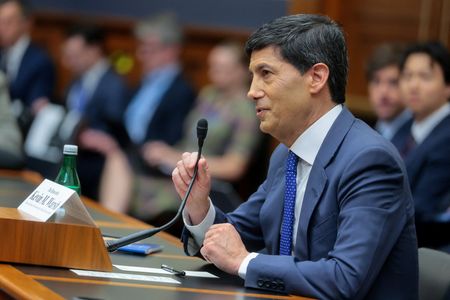
“The global economy entered 2026 with robust momentum, but the outlook has weakened significantly since the start of the conflict in the Middle East, with effects likely to be felt for some time,” OECD Secretary-General Mathias Cormann said. “The longer the disruptions last, the larger the economic and social costs become.”
Cormann cautioned that government expenditures designed to offset energy expenses should target those with the greatest need and remain temporary, preventing excessive government borrowing while maintaining incentives for energy conservation.
Although violence has erupted repeatedly, an announced ceasefire between the US and Iran technically remains active. However, continued shipping dangers mean that Strait of Hormuz traffic has dropped to minimal levels, declining over 90% from pre-war volumes. This has interrupted approximately one-fifth of global crude oil and fuel product supplies, along with natural gas shipments.
The OECD findings follow a UN analysis cautioning that elevated energy costs will affect nearly a billion people in developing countries and small island nations dependent on fuel imports, creating difficult choices between paying energy expenses and funding crucial public services. Over 30% of residents in these regions already survive below the extreme poverty threshold, defined as living on $3 or less daily.
The OECD operates as an international governmental organization and policy forum comprising 38 democratic nations with market-driven economies, based in Paris.