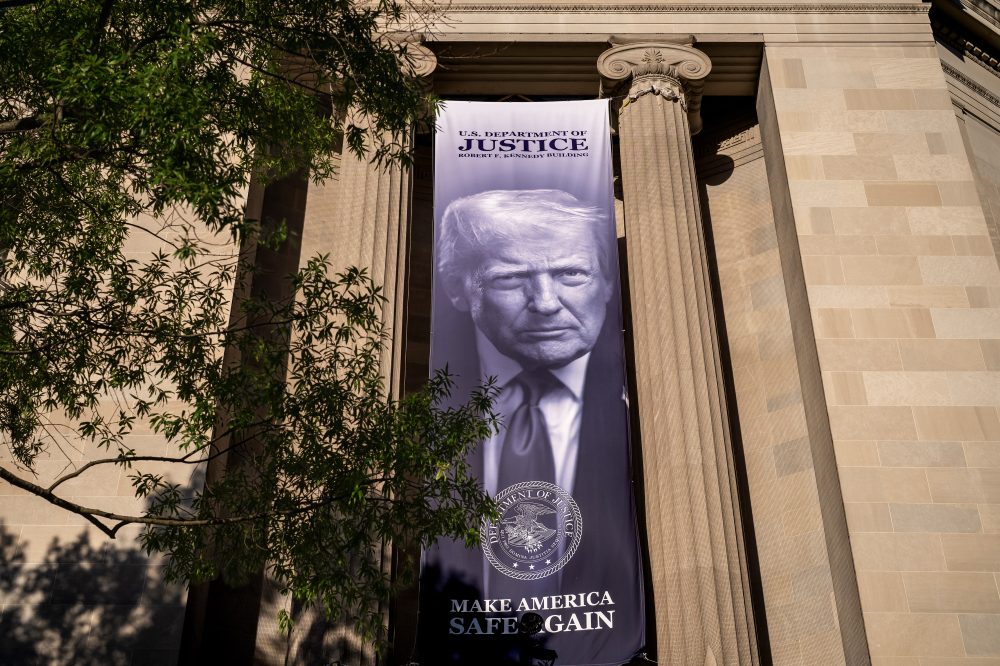

The current administration has abandoned its controversial $1.8 billion compensation fund for presidential allies following intense political pushback that threatened to derail key White House priorities, Acting Attorney General Todd Blanche announced. However, officials are maintaining their agreement to permanently dismiss tax claims against President Donald Trump, representing a significant use of executive authority that may protect the president from additional scrutiny of his financial and legal affairs.
Trump’s endorsed candidates in GOP primaries have largely succeeded in defeating incumbents across Indiana, Louisiana, Kentucky and Texas as he works to remove party members he considers disloyal. However, Tuesday brought a notable defeat when Rep. Randy Feenstra failed to secure victory in Iowa’s Republican gubernatorial primary, creating what Democrats view as a prime opportunity to capture a governor’s seat this election cycle.
In a dramatic shift from decades of federal civil rights enforcement, the current administration is reframing longstanding efforts to address racial inequities in education as discrimination against white students. Programs previously considered legally sound are now being labeled as “illegal DEI” – diversity, equity and inclusion – initiatives by the White House. Educational institutions refusing to comply have faced funding threats and lost federal grants in some instances.
Civil rights lawyers characterize the administration’s approach as a complete reversal of established legal precedent.
Federal authorities have launched investigations or joined lawsuits targeting various programs designed to combat racial inequality. The Justice Department is examining initiatives to increase minority teacher representation in Rhode Island and Iowa. Additionally, grants for teacher training and school mental health worker recruitment have been terminated due to diversity language in their recruitment materials.
President Trump issued an executive order Tuesday establishing oversight protocols for artificial intelligence, just under two weeks after delaying a White House signing ceremony due to concerns that similar policies might weaken America’s technological competitiveness.
The directive creates a federal framework allowing government review of national security risks from advanced AI systems for up to 30 days before public launch. Developer participation remains voluntary under the order’s terms.
“Advanced AI capabilities make our Nation stronger, but also introduce new national security considerations that require coordinated action across executive departments and agencies,” the order states.
Officials did not immediately clarify how this order differs from the version Trump declined to sign on May 21.
The administration is recommending tariffs of 10% or higher on imports from numerous major trading partners following an investigation into products allegedly manufactured using forced labor.
A Wednesday report from the U.S. Trade Representative indicated that Canada, Mexico, Taiwan, the United Kingdom and other nations would face 10% additional tariffs for allegedly failing to enforce forced labor import restrictions.
China, Japan, India, South Korea, Brazil, Switzerland and dozens of additional countries would see 12.5% supplementary tariffs imposed.
“The failure of our most important trading partners to address the importation of goods made with forced labor is unacceptable. This creates a dynamic where American workers are forced to compete globally on an unlevel playing field,” USTR Ambassador Jamieson Greer stated.
He emphasized that “each of our trading partners must do more to ensure that trade does not perversely encourage and entrench forced labor globally.”
The USTR declared that preventing such imports represents conduct that “unreasonable and burdens or restricts U.S. commerce.”
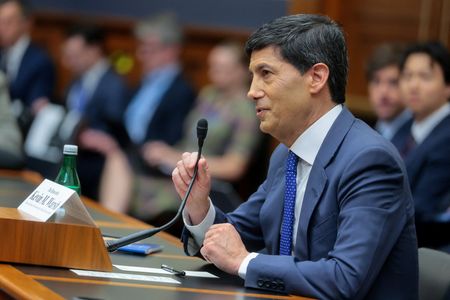
During a House hearing on the Justice Department budget Tuesday, Acting Attorney General Todd Blanche confirmed the administration’s retreat from the compensation fund that had generated significant political opposition threatening to obstruct major White House initiatives.
“We are not moving forward with the fund, period,” Blanche stated when questioned by lawmakers.
“Not moving forward ever?” inquired Rep. Grace Meng, a New York Democrat.
“Correct,” Blanche confirmed.
This definitive statement represents an unusual reversal for the Trump administration amid growing political resistance to a fund officials claimed would compensate individuals believing they were improperly targeted by the criminal justice system. Since its creation two weeks prior, the fund has been suspended by judicial order and criticized by both Democratic and Republican officials concerned about insufficient oversight and potential payments to participants in the January 6, 2021, Capitol riot.