
Growing tensions in the Middle East involving Iran are creating significant disruptions to oil shipments destined for Asian markets, as shipping vessels remain stuck in the Persian Gulf while crude oil and transportation expenses climb, according to industry experts and analysts who spoke Monday.
These supply chain interruptions underscore the vulnerability of Asia, which represents the globe’s largest oil-consuming region and relies on Middle Eastern producers for 60% of its petroleum needs, amid ongoing hostilities between the United States and Israel against Iran.
President Donald Trump indicated that the U.S.-Israeli military operations could extend for several weeks, potentially causing extended interruptions to shipping traffic through the Strait of Hormuz, a critical waterway that handles approximately 20% of worldwide oil production and a comparable portion of liquefied natural gas shipments from Middle Eastern suppliers.
Weekend attacks resulted in damage to three oil tankers and claimed the life of one crew member, while earlier strikes prompted roughly 200 vessels to anchor near the Strait as a safety precaution. Insurance companies withdrew war risk coverage on Monday, and industry experts anticipate shipping rates will spike as operators keep their fleets away from the area.
Citi analysts noted in their report: “Iran has not officially shut the Strait of Hormuz but risk aversion from shippers is a real phenomenon. Transit volumes have already declined with vessels parking outside the Strait.”
International oil prices jumped approximately 9% on Monday following earlier increases of up to 13%.
Japan’s Chief Cabinet Secretary Minoru Kihara addressed the situation during a briefing, stating: “Some crude oil tankers bound for Japan from the Middle East are waiting in the Persian Gulf, avoiding passage through the Strait of Hormuz.”
Japanese trading company Itochu confirmed it is facing “some impact” on Gulf shipments of crude oil and petroleum products and plans to obtain supplies from non-Middle Eastern sources, according to an email statement.
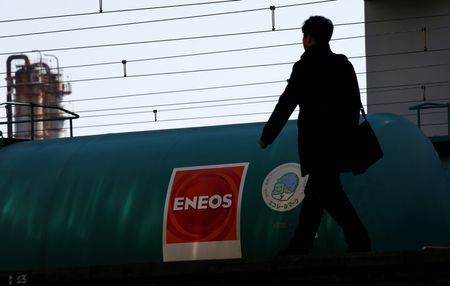
Japan’s largest refiner, Eneos, indicated it would evaluate effects on future crude oil purchasing while keeping watch on developments.
A prolonged closure of the Strait would drive oil costs higher and potentially create supply shortfalls for China and India, the world’s first and third-largest oil importing nations, compelling these countries to use emergency reserves and reduce refinery activity.
The International Energy Agency, comprising primarily developed nations, mandates that member countries maintain oil reserves equal to no less than 90 days of net oil imports.
Kihara stated that Japan currently has no immediate intentions to release from its strategic petroleum reserves, among the world’s most substantial.
Indonesia’s state energy corporation Pertamina announced it has implemented risk management strategies and is optimizing refinery operations to maintain fuel and liquefied petroleum gas availability. The nation serves as Southeast Asia’s top gasoline importer.
Several Indian refineries have already informed Middle Eastern suppliers they cannot secure vessels to transport crude oil, according to sources from two companies.
India’s energy ministry and refiners conducted weekend meetings to explore options for reducing the crisis’s impact on the nation’s energy security, sources revealed.
The refiners plan to examine all alternatives, including Russian oil pending New Delhi’s approval, if the crisis extends beyond 10-15 days, sources indicated.
One source explained: “Alternative routes to get oil from the Middle East are costly and availability is not there as ships are not willing to go through that route.”
The interruption of LNG deliveries from Qatar, Oman and the United Arab Emirates would most severely affect Asian purchasers, particularly Pakistan, India and Bangladesh, analysts warned.
Rystad Energy analysts observed in their assessment: “Those countries face a choice between attracting LNG cargoes from other producers and reducing gas demand either by fuel switching or outright demand curtailment.”
China and Japan rank as the world’s top two LNG importing countries. However, Japan obtains most of its supply from Australia. Japanese utilities currently hold LNG inventory sufficient for approximately three weeks of domestic consumption, Kihara reported.