
The escalating Middle East conflict between the U.S., Israel and Iran is creating significant financial headaches for businesses across multiple sectors, with companies reporting increased expenses, supply chain problems and declining consumer confidence during quarterly earnings reports this week.
Corporate executives are expressing heightened concern as they face a perfect storm of challenges, including existing U.S. trade tariffs, elevated material costs and sluggish consumer demand – all made worse by the military conflict that began in late February.
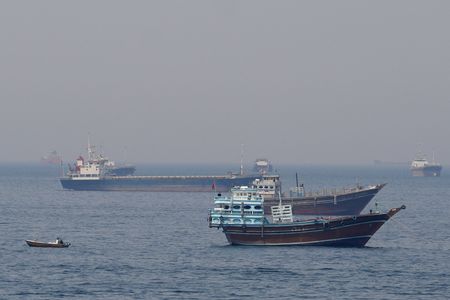
Many businesses are maintaining their annual projections for now, but company leaders are highlighting mounting transportation and raw material expenses, especially those tied to shipping disruptions through the Strait of Hormuz waterway.
Paint manufacturer AkzoNobel, known for its Dulux brand, reported that the conflict is inflating their supply expenses, though increased pricing and cost-cutting measures helped the company exceed market predictions.
“Our raw material basket is going to go up by something like the high teens (percentage), given the disruption of the Strait of Hormuz,” CEO Greg Poux-Guillaume told Reuters, saying the full impact would be felt over the next two quarters.
The Dutch company produces everything from household paints to specialized coatings for cargo vessels and Formula 1 racing cars, providing more flexibility to increase prices compared to competitors dealing with commodity chemicals. AkzoNobel’s stock price jumped approximately 4% during morning trading.
Shipping route interruptions and elevated transportation expenses have become a consistent theme during this earnings period, particularly affecting consumer product companies that rely on international supply networks.
Financial analysts and economists are monitoring whether businesses can continue weathering these challenges, or if extended uncertainty around energy supplies, transportation and global politics will force more companies to implement price increases or reduce their financial forecasts.
The situation’s outcome largely depends on the conflict’s duration and whether the Strait of Hormuz – which handles roughly 20% of worldwide oil and natural gas shipments – can fully reopen to ease supply bottlenecks that have inflated prices.
U.S. stock futures climbed and oil prices dropped below $100 per barrel Wednesday following President Donald Trump’s announcement of an indefinite extension to the Iran ceasefire. However, optimism remains fragile with the strait mostly closed and no indication of renewed diplomatic discussions between the U.S. and Iran.
A Reuters analysis of company announcements since the conflict began shows 21 firms have withdrawn or reduced financial guidance, 32 have indicated price increases, and 31 have cautioned about financial losses from the crisis – a trend spanning from consumer goods to aerospace industries.
French food conglomerate Danone demonstrated Wednesday how these pressures are affecting supply networks, reporting first-quarter sales growth that surpassed expectations but slowed considerably from late last year due to war-related disruptions and a European baby formula recall. Baby formula shipments from Europe passing through the Middle East experienced delays.
Despite these challenges, Danone maintained its annual guidance, stating that its health-focused product line provided stability in a “volatile and uncertain” environment.
Reckitt, manufacturer of Dettol soap products, fell short of quarterly revenue expectations for its primary business Wednesday and warned of reduced first-half profit margins, citing elevated oil prices and decreased demand for cold and flu remedies. The company’s shares dropped 5% to their lowest levels since October 2024.
Travel industry companies have suffered particularly severe impacts as rising jet fuel costs force airlines and tour operators to increase fares, add fuel surcharges or cancel flights, while geopolitical tensions undermine consumer confidence.
German travel company TUI reduced its annual operating profit forecast and halted revenue guidance, citing limited visibility due to the ongoing conflict.
“The ongoing conflict in the Middle East and the uncertainty surrounding its duration continue to limit near-term visibility and drive consumer caution,” the group said in a statement.
United Airlines also reported demand pressures, projecting second-quarter and full-year profits below Wall Street estimates on Tuesday.
Mining companies are experiencing strain as well. Diversified miner South32 lowered its annual forecast for its Australian Manganese division following heavy rainfall and Tropical Cyclone Narelle that disrupted operations, while warning that Middle East tensions were increasing cost pressures through higher shipping rates and raw material prices.
“We have implemented measures across our operations to mitigate potential supply chain impacts arising from the conflict in the Middle East,” South32 stated, noting that while diesel fuel shortages weren’t currently occurring, they were carefully monitoring conditions.
Earlier this week’s results demonstrate how the Iran conflict is creating additional uncertainty even for companies that began the year with strong order volumes and pricing flexibility.
On Tuesday, GE Aerospace CEO Larry Culp indicated the company would have increased its forecast if not for current uncertainties, while 3M cautioned that higher oil prices could lead to a 50-basis-point rise in product pricing.
GE Aerospace explained its outlook assumes Brent crude prices will remain elevated through the third quarter before declining by year’s end, while accounting for short-term fuel availability constraints.