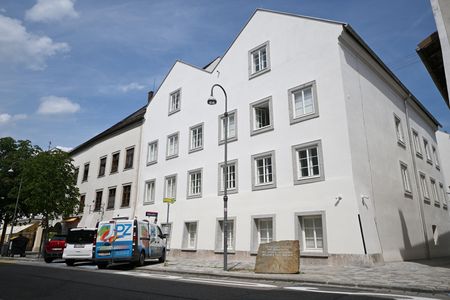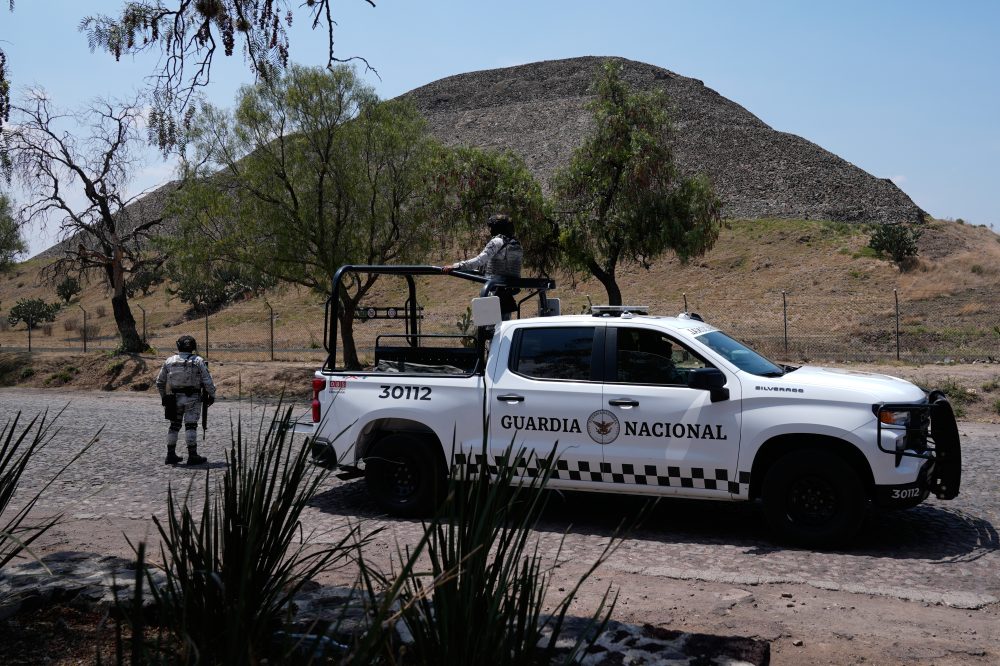

Mexican officials announced enhanced security measures at popular tourist destinations following a deadly shooting at the historic Teotihuacan pyramids that left one Canadian visitor dead and twelve others wounded.
The attack occurred Monday when a single shooter opened fire from atop one of the ancient pyramids at the UNESCO World Heritage site, located approximately one hour from Mexico City. The archaeological complex ranks among Mexico’s most popular tourist destinations.
The incident prompted immediate questions from journalists to Mexican President Claudia Sheinbaum regarding safety preparations for the upcoming FIFA World Cup, which Mexico will co-host with the United States and Canada this summer.
Teotihuacan was designated as a major destination for World Cup visitors. Local officials had recently advanced plans to restore a nighttime light display on the pyramids specifically for tournament guests, reviving a show that was halted during the COVID-19 pandemic.
The violence occurs as Sheinbaum’s administration works to present Mexico as secure ahead of the soccer tournament, particularly following cartel-related violence that erupted in February in Guadalajara, another World Cup host city.
“Events like this only further magnify the negative images that Mexico has on security issues, undermining the narrative that President Sheinbaum is trying to build that Mexico is a safe country,” said Mexican security analyst David Saucedo.
During a Tuesday briefing, Sheinbaum admitted the archaeological site lacked adequate security screening to prevent such an attack, describing the shooting as “an isolated incident” unprecedented at such a public location.
Mass shootings in public areas remain uncommon in Mexico compared to the United States, where firearms are more readily available through legal channels, despite ongoing cartel violence in strategic and rural regions.
The president indicated the attacker seemed influenced by “outside influences,” specifically referencing the 1999 Columbine massacre in Colorado.
“Our obligation as a government is to take the appropriate measures to ensure that a situation like this does not happen again. But clearly, we all know — Mexicans know — that this is something that had not previously taken place,” Sheinbaum said Tuesday morning.
Security Secretary Omar García Harfuch, who leads the government’s anti-cartel efforts, announced Tuesday that security forces received orders to “immediately strengthen security” at archaeological sites and major tourist locations nationwide.
The enhanced measures include expanded National Guard presence, increased security screenings at critical locations, and improved surveillance systems designed to “identify and prevent any threats” against citizens and visitors.
Mexican authorities hope these announcements will address persistent violence concerns ahead of the tournament.
Sheinbaum’s government has highlighted security achievements during her tenure, with homicide rates dropping significantly since she assumed office to decade-low levels, according to government data. Officials have also eliminated several high-ranking cartel leaders and noted decreased fentanyl seizures at the U.S.-Mexico border.
However, recent challenges include the February violence outbreak in Guadalajara following the assassination of Mexico’s most influential cartel leader. The bloodshed generated widespread concern domestically and internationally. Sheinbaum pledged “no risk” for tournament attendees, while FIFA president Gianni Infantino expressed “full confidence” in Mexico as a host nation. Sheinbaum subsequently met with FIFA officials to review World Cup security arrangements.
Mexico’s government has committed to comprehensive security preparations, including deploying 100,000 security personnel nationwide, with concentrations in the three host cities: Mexico City, Guadalajara, and Monterrey. Plans involve more than 2,000 military vehicles, numerous aircraft and drones, and security perimeters around stadiums and airports in key locations.
“As you can see, we are very prepared for the World Cup,” Sheinbaum said in early March.
Despite the unusual nature of Monday’s pyramid shooting, the violent incident has renewed questions about the government’s ability to prevent violence during the soccer competition, increasing pressure on officials.
FIFA declined to comment on the pyramid shooting when contacted, as the organization typically avoids addressing security matters and incidents occurring away from tournament facilities.
Saucedo warned that concentrating security resources in host cities and tourist areas like Teotihuacan could reduce protection in other violence-plagued regions requiring police and military attention.
“Events like the one that took place yesterday in Teotihuacan clearly show that public safety agencies are overwhelmed,” he said.