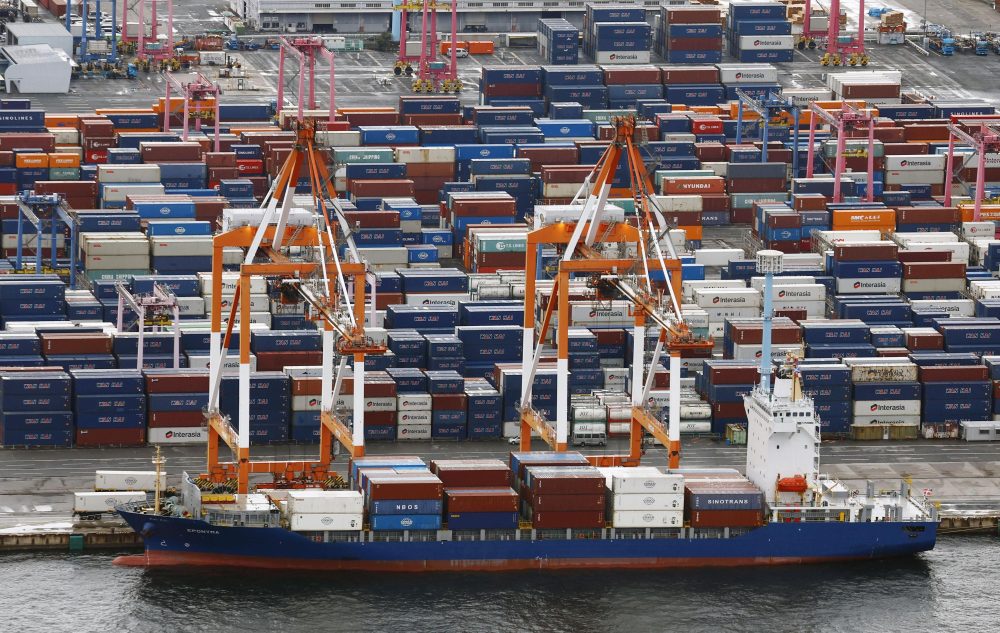

TOKYO — Japanese officials announced Wednesday that the nation experienced a trade deficit of 1.7 trillion yen ($10.7 billion) during the fiscal year concluding in March, continuing a pattern of deficits for the fifth consecutive year.
The Finance Ministry’s data showed exports increased by 4% compared to the prior year, while imports grew modestly by 0.5%.
Higher tariffs implemented by former U.S. President Donald Trump on Japanese imports and products from other nations have dealt a significant setback to international automotive manufacturers and other industrial companies. Japanese exports to America declined by 6.6% during the previous fiscal year, with automobile shipments plummeting by 16%.
Despite these challenges, Japan experienced a 26% increase in its trade surplus during March compared to the same period last year, suggesting the export industry is beginning to recover from previous disruptions. March saw exports surge by nearly 11.7% while imports climbed almost 10.9%.
Major Japanese automotive companies, including Toyota Motor Corp., have relocated significant portions of their manufacturing operations to countries where their vehicles are ultimately sold, helping them avoid the negative effects of such policy changes. Nevertheless, several automakers continue to ship substantial numbers of vehicles from Japan to the United States.
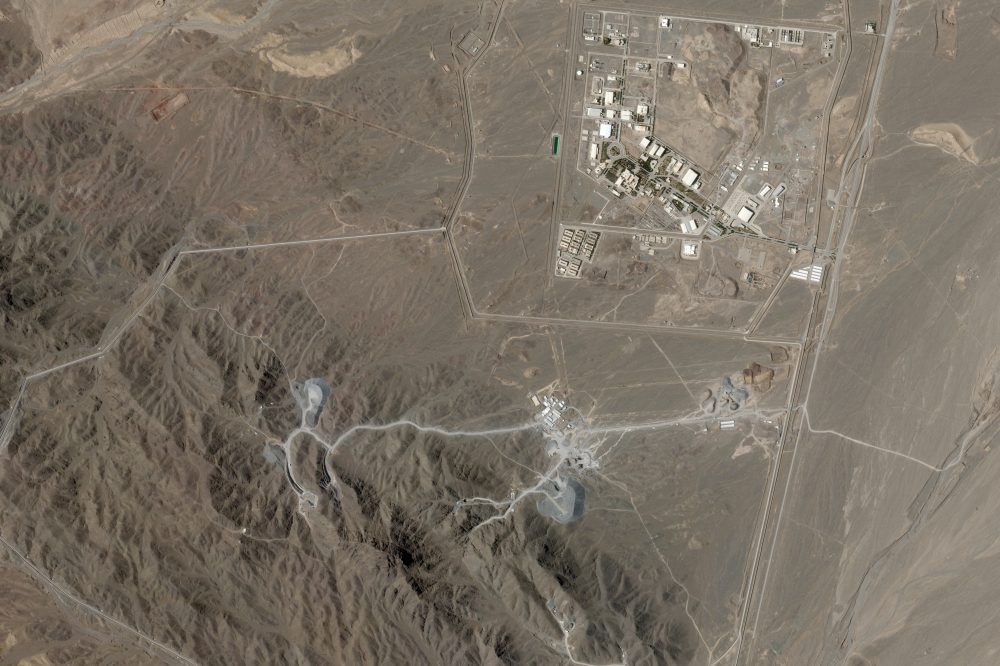
Since Japan relies on imports for virtually all of its oil and natural gas supplies, the ongoing conflict with Iran has created concerns about potential disruptions to Middle Eastern oil deliveries. Beyond energy implications, oil shortages could impact the production of naphtha-based products essential for medical equipment and various plastic materials.
Japanese officials have sought to reassure citizens by highlighting the country’s 254-day emergency oil reserve stockpile, which was created following the oil crisis of the 1970s. Authorities are currently releasing portions of these reserves to maintain stable supply levels.
Japan is also exploring alternative supply routes beyond the Strait of Hormuz, which serves as the primary shipping corridor for much of Asia’s oil and gas imports. This crucial waterway has been effectively blocked due to the current conflict.