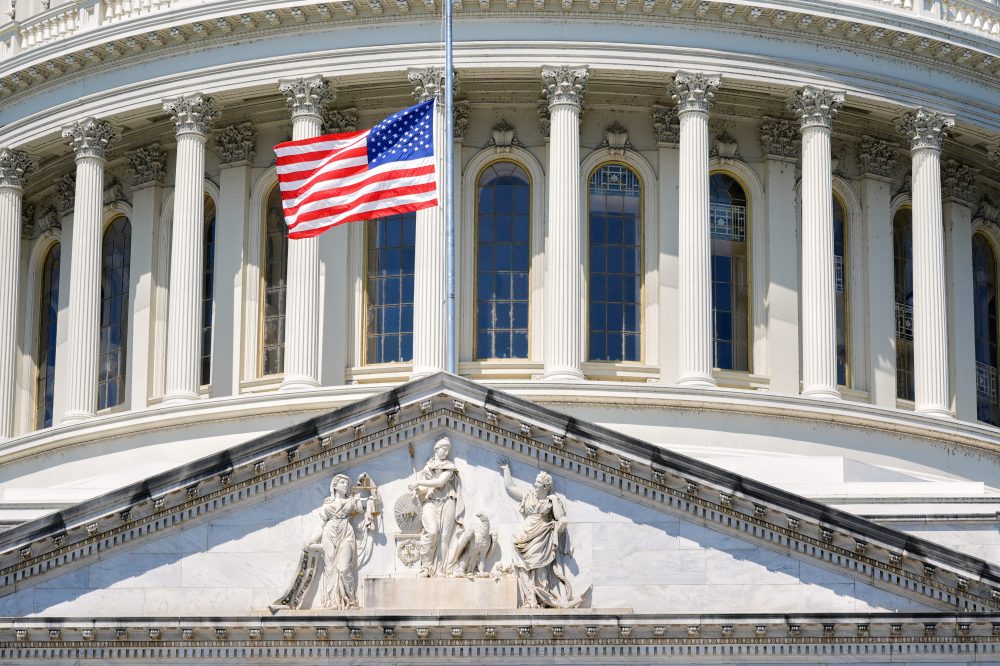

Memorial Day represents a dual purpose in American culture – serving as a solemn tribute to military personnel who made the ultimate sacrifice while also marking the unofficial beginning of summer with extended weekends filled with travel and retail sales on everything from bedding to yard equipment.
Here’s an examination of this national holiday and its transformation over time:
Memorial Day Date
The observance occurs on the final Monday in May each year. In 2025, the holiday falls on May 25.
Purpose of Memorial Day
The day serves as a time for contemplation and honoring military personnel who lost their lives during their service to the United States, as documented by the Congressional Research Service.
Part of the observance includes the National Moment of Remembrance, which calls upon all Americans to stop their activities at 3 p.m. for a brief period of silence.
Historical Background
The holiday’s roots extend back to the American Civil War, a conflict that claimed the lives of over 600,000 military personnel from both Union and Confederate forces from 1861 through 1865.
The initial nationwide commemoration of what was originally known as Decoration Day took place on May 30, 1868, following a call from a Union veterans’ organization to place blooming flowers on military graves.
This tradition was already being practiced widely. Waterloo, New York, established a formal ceremony on May 5, 1866, and was subsequently recognized as the holiday’s official birthplace.
However, Boalsburg, Pennsylvania, claims its initial observance dates to October 1864, according to Library of Congress records. Additionally, women in certain Confederate states had begun decorating graves prior to the war’s conclusion.
David Blight, a Yale history professor, highlights May 1, 1865, when approximately 10,000 individuals, many of whom were Black, organized a parade, listened to speeches and honored Union soldiers’ graves in Charleston, South Carolina.
A group of 267 Union soldiers had perished at a Confederate prison facility and were initially placed in a mass burial site. Following the war’s end, Black church members relocated them to separate graves.
“What happened in Charleston does have the right to claim to be first, if that matters,” Blight told The Associated Press in 2011.