
A groundbreaking trade agreement between the European Union and South American nations began provisional implementation on Friday, establishing what officials describe as a massive trans-Atlantic marketplace worth an estimated $22 trillion and serving 720 million consumers.
The historic pact between the EU and the Mercosur bloc – comprising Brazil, Argentina, Uruguay, and Paraguay – was formally signed on January 17th during a South American group meeting. However, European Commission President Ursula von der Leyen’s decision to bypass EU Parliament approval and implement the deal provisionally has sparked a legal challenge that could halt the agreement.
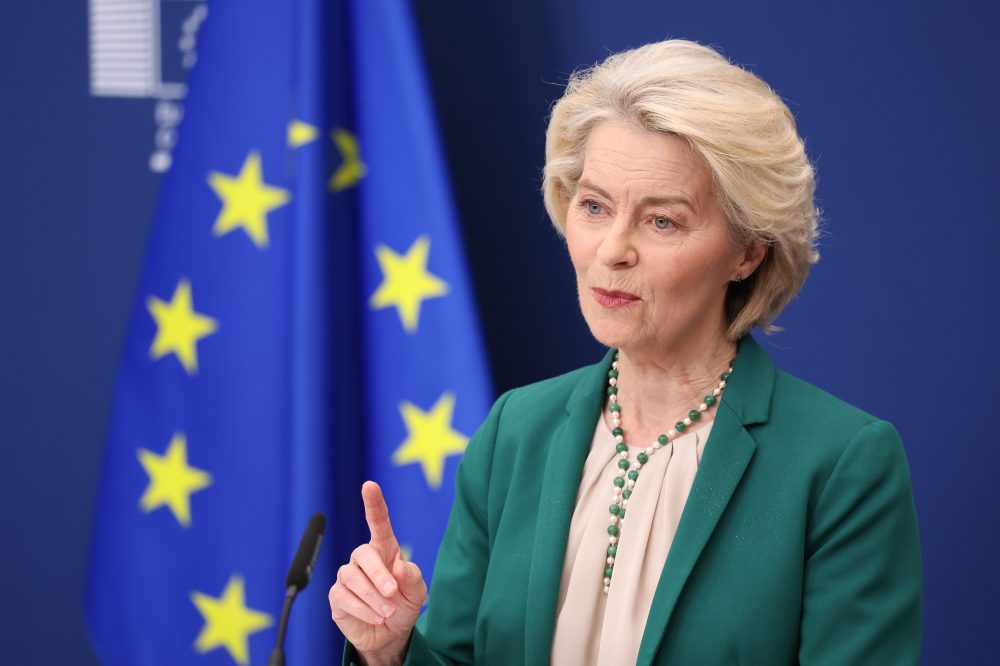
“This is good news for EU businesses of all sizes, good news for our consumers and good news for our farmers, who will gain valuable new export opportunities, with full protection for sensitive sectors,” von der Leyen stated Thursday.
The European Commission President is scheduled to participate in a virtual meeting Friday with leaders from all four Mercosur member countries to mark the agreement’s launch.
Brazilian President Luiz Inácio Lula da Silva, a strong advocate for the deal, officially endorsed it through a presidential decree earlier this week. He characterized the agreement as Brazil’s answer to unilateral trade policies implemented by U.S. President Donald Trump last year and a commitment to international cooperation.
“Nothing better than believing in the exercise of democracy, in multilateralism, and in cordial relations between nations,” Lula declared during a celebration ceremony in Brazil’s capital city of Brasilia, marking the culmination of more than 25 years of negotiations.
Brazil’s Vice President Geraldo Alckmin, who participated in the deal’s negotiations, told The Associated Press and other media outlets last week that failing to secure this EU partnership would have left South American nations at a disadvantage while competitors formed alternative trade relationships.
As Mercosur’s dominant economic force, Brazil maintains a gross domestic product projected to exceed $2.3 trillion in 2025.
Lia Valls, a research associate at the Rio de Janeiro-based think tank Fundacao Getulio Vargas, believes the agreement represents a strong counter to growing global unilateralism.
“The EU and Mercosur are showing that it is possible for big blocs to reach a deal in this world where that multilateral system is being very weakened and where the U.S. clearly operates to do that,” Valls explained to the AP. “It is a very positive sign.”
The pact encountered significant resistance from European agricultural interests and environmental advocates, causing delays in December before being submitted to the EU’s highest court for review.
South American agricultural sectors, particularly beef, fruit, and mineral exporters, anticipate substantial growth in European market access. Meanwhile, European automotive manufacturers, pharmaceutical companies, and technology firms see new opportunities in Mercosur territories.
However, the deal has generated concerns on both sides. Mercosur-based companies worry about intensified competition from European technology firms, while European farmers express anxiety about pricing pressures and imports that may not meet comparable environmental standards.
French President Emmanuel Macron, a vocal opponent of the agreement, has consistently pushed for protective measures to prevent major economic disruption within the EU, stricter regulations in Mercosur countries including pesticide limitations, and enhanced inspection procedures for imports at European ports.
The comprehensive agreement systematically eliminates trade barriers and tariffs between both regions while maintaining economic protection clauses that allow European countries to shield certain industries from overwhelming competition, including poultry, beef, sugar, and fruit sectors.