
Maryland’s Board of Public Works has allocated more than $190,000 in state funding for recreational trail development and environmental conservation projects spanning several counties, officials announced today.
The grants, distributed through the Maryland Department of Natural Resources, will benefit communities in Cecil, Talbot, and Worcester counties, with additional funding supporting a trail project in Snow Hill. State officials also gave approval to two conservation easement donations benefiting the Maryland Environment Trust and a land preservation organization in Queen Anne’s County.
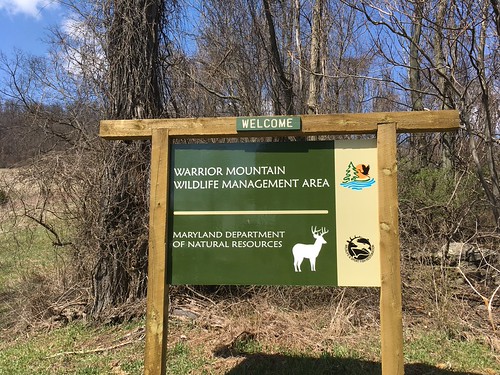
State funding of $11,500 through the Program Open Space – Stateside initiative will allow officials to purchase 1.4 acres bordering the Warrior Mountain Wildlife Management Area in Allegany County. This land acquisition aims to enhance public access for outdoor activities including hunting, hiking, and wildlife observation.
Two initiatives received approximately $82,500 through Program Open Space – Local funding. Talbot County officials will use their portion to finalize the county’s 2027 Land Preservation, Parks, and Recreation Plan. Worcester County will utilize its allocation to design and build a 1.2-mile walking trail loop at John Walter Smith Park, creating new recreational opportunities for residents.
Cecil County will receive nearly $19,000 through the Local Parks and Playgrounds Infrastructure Program to enhance Calvert Regional Park. The improvements will include installing benches, tables, waste receptacles, and field goals to make the facility more user-friendly. This infrastructure program received funding during fiscal years 2022 and 2023 specifically to support local government park and recreation initiatives.
Environmental conservation efforts will receive $80,000 through the Conservation Reserve Enhancement Program (CREP) for acquiring a permanent conservation easement on waterfront property in Worcester County. The 42-acre easement, which includes six acres donated by the landowner, will safeguard 2,500 feet of forested stream buffers along the Pocomoke River and one of its tributaries.
Officials also approved two donated conservation easements covering 400 acres total, which will be managed jointly by the Maryland Environmental Trust and the Eastern Shore Land Conservancy. These easements on Queen Anne’s County farmland will preserve valuable agricultural soil and protect forested creek buffers within the Corsica River watershed.
Complete details regarding these funding decisions can be found in the Board of Public Works April 1, 2026 meeting documentation. The board consists of three members: Governor Wes Moore, Treasurer Dereck E. Davis, and Comptroller Brooke E. Lierman.
The Program Open Space – Local initiative supports county and municipal governments in planning, acquiring, and developing recreational lands and facilities. Created in 1969 under the Department of Natural Resources, this program demonstrates Maryland’s ongoing dedication to natural resource conservation while ensuring outdoor recreation access for all residents. Property transfer taxes provide the program’s funding.
Program Open Space – Stateside focuses on preserving natural areas throughout Maryland for public recreation, watershed protection, and wildlife conservation through land purchases and conservation easements. Properties acquired through fee simple purchases become state parks, forests, and wildlife management areas under departmental oversight.
Maryland’s Conservation Reserve Enhancement Program has operated a permanent easement component since 2009, working with voluntary landowners to establish conservation easements that maintain Conservation Reserve Program practices beyond federal contract expiration dates.
The Maryland Environmental Trust serves as the state’s official land trust organization. Founded in 1967, it currently manages over 1,100 easements covering 143,000 acres statewide, making it among the nation’s oldest and most effective land trusts. From the Chesapeake Bay region to Garrett County’s mountains, the trust collaborates with landowners and local conservation groups to protect Maryland’s most significant landscapes and natural resources for future generations.