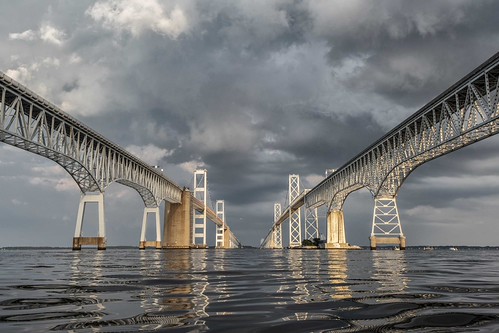

Maryland’s fishing industry is getting help preparing for climate change through a new state initiative funded by a nearly $97,000 grant.
The Maryland Department of Natural Resources’ Fishing and Boating Services division received $96,572 from the Blue Convergence Fund, a nonprofit organization, to create a comprehensive climate adaptation strategy for the state’s fisheries. The funding came through the organization’s Climate Resilient Fisheries Engagement Grants program in February 2026, with Maryland’s proposal being selected from just 11 accepted worldwide.
The initiative stems from the Chesapeake Bay Legacy Act, which Governor Moore signed into law in 2025 after passage by the Maryland General Assembly. This legislation broadened the state’s authority to implement climate adaptation measures for fisheries under state management.
Jackie Specht, DNR’s Resilient Systems Officer, emphasized the urgency of the situation. “Climate change is already impacting Maryland,” Specht stated. “A climate resilient fishery management plan will allow Maryland to prepare for both the challenges and opportunities that arise for Maryland’s fishing resources and communities in the future.”
The environmental changes are already measurable. Chesapeake Bay water temperatures have increased by approximately 2.5 degrees Celsius since 1985, while rising sea levels have transformed 29,100 acres of dry land forests and agricultural areas into tidal marshes since 1984. These shifts create significant challenges for coastal ecosystem health, fishing operations both recreational and commercial, and the state’s capacity to manage fisheries resources effectively.
The department’s strategy involves gathering climate data from regional partner organizations, distributing this information to fishing communities, and working collaboratively with these groups to establish a management structure that can sustain fisheries despite environmental changes.
Maryland DNR is currently recruiting members for a fishery management plan workgroup that will bring together state fishery officials, scientific researchers, and community fishing representatives to combine their expertise. Participants will attend meetings, collect information, and work alongside DNR personnel and fellow members to create and review the management plan. Once completed, the plan may be incorporated into existing state fishing regulations to build long-term resilience and support fishing communities going forward.
The application process is open to any adult residing within the Chesapeake Bay watershed who wants to contribute to developing adaptation and resilience approaches for Maryland’s fisheries management. Those interested can access the application materials and submission instructions on the DNR website. The application deadline is May 13, with workgroup activities scheduled to run from spring 2026 through spring 2027.