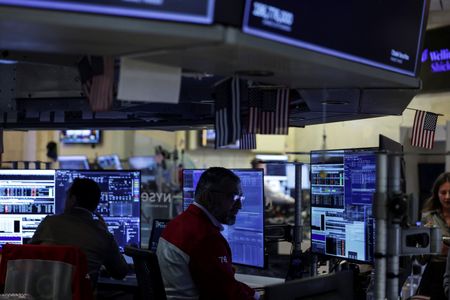

Financial markets took a sharp downturn Thursday as deteriorating diplomatic relations between the United States and Iran sent shockwaves through Wall Street, with technology stocks bearing the brunt of investor concerns.
The Nasdaq composite suffered its steepest decline in a month, dropping 0.9% as previously optimistic sentiment surrounding corporate earnings reports quickly evaporated. Meanwhile, crude oil prices climbed 4% for the fourth consecutive trading session, reflecting growing anxiety about potential supply disruptions.
Market analyst Jamie McGeever, writing from Orlando, Florida, examined the surprising durability of American stock markets despite mounting global uncertainties. In his analysis, McGeever questioned whether the greatest investment danger might actually stem from staying on the sidelines rather than traditional concerns like military conflicts, rising prices, or trade disputes.
The day’s trading revealed a mixed picture across different market segments. Six of the eleven major S&P 500 sectors declined while five posted gains. Technology companies fell 1.5%, contrasting sharply with utility stocks that climbed 2.8%.
Individual company performances varied dramatically. Texas Instruments surged 19% while ServiceNow plummeted 18%. IBM dropped 8% and Tesla declined 3.6%. After regular trading hours, Intel jumped 16% and AMD gained 5%.
Currency markets showed the dollar strengthening for three straight days. The Indian rupee headed toward its worst weekly performance since 2022, while Brazil’s real fell 1% – its largest single-day drop in a month – sliding back below 5.00 per dollar.
Bond markets reflected the uncertainty as U.S. Treasury prices fell and yields increased by 4 basis points on shorter-term securities. The yield curve flattened for the fourth consecutive day, though a five-year Treasury Inflation-Protected Securities auction proceeded without complications.
Asian markets mostly declined, with South Korea’s KOSPI being a notable exception by reaching new highs. European markets showed mixed results.
The private investment sector faced scrutiny following reports that Thoma Bravo, a private equity firm, is close to transferring software company Medallia to its creditors. This move would create a $5.1 billion equity loss for Thoma Bravo and its investment partners.
The situation particularly affected private credit giants Blackstone, KKR, and Apollo – Medallia’s primary lenders – whose shares all underperformed Thursday. Blackstone CEO Stephen Schwarzman defended the private credit industry, but his company’s stock still fell 5.7% in its worst single-day performance in two months.
Anticipation is building for what could become the largest series of initial public offerings in market history. SpaceX is expected to go public in June, followed by OpenAI and Anthropic. These three companies, despite reportedly operating at losses, could collectively represent $3 trillion in market value according to LPL Financial projections.
The resilience of equity markets during ongoing Middle Eastern conflicts has surprised many observers. Traditional safe-haven investments including Treasury bonds, gold, and the Japanese yen have all declined since hostilities began. Bitcoin has gained 18%, though it had fallen 50% in the five months before the conflict started.
Looking ahead, market participants will monitor Middle Eastern developments, energy sector movements, and various economic indicators including Japanese inflation data, UK retail sales figures, German business sentiment measures, and U.S. consumer expectations surveys. Corporate earnings reports from major companies like Procter & Gamble will also influence trading.