
Major American corporations are expressing confidence to investors about their ability to handle economic pressures stemming from the Iran conflict, despite facing increased costs for fuel and materials that are squeezing profit margins.
Fuel prices have risen significantly since hostilities began, creating higher expenses across multiple industries already dealing with pressure from U.S. tariffs. These increased costs are pushing businesses to consider raising prices during a period when consumers are showing signs of financial stress.
An analysis of corporate communications since the conflict started reveals that 24 firms have reduced or eliminated their financial projections, 35 have indicated they will raise prices, and another 35 have cautioned about financial impacts.
Despite these challenges, numerous corporate leaders maintained an upbeat outlook on Tuesday, citing protective strategies like hedging, existing purchase agreements, strong consumer demand, or their capacity to reduce expenses in other areas.
Coca-Cola emerged as one of the prominent companies expressing optimism, counting on continued strong demand for its beverages. Chief Financial Officer John Murphy noted that the company, similar to PepsiCo, had secured lower pricing agreements before the current disruption began.
However, the beverage company still faces increased expenses for plastic and aluminum packaging materials for certain products. Murphy explained the company is “working hard with our bottling partners to deal with the implications of the situation … in the Middle East.”
This positive outlook has influenced Wall Street sentiment. Financial analysts increased their projections for first-quarter S&P 500 earnings growth to 16.1% as of April 24, up from 14.3% on February 27 before the war started, though this improvement was primarily driven by strong predictions from technology and energy sectors, according to LSEG information.
“It’s been an extraordinarily strong earnings season,” commented David Morrison, senior market analyst at Trade Nation, emphasizing that optimistic messaging from financial officers and chief executives was essential.
“If they don’t sound as bullish and start citing higher energy costs or, the war with Iran or anything, the market is in a mood and it’s at a level where, these stocks could get punished quite badly,” Morrison explained.
United Parcel Service took a more cautious approach, maintaining its annual revenue projections while warning that escalating fuel costs could eventually reduce customer demand.
“It is early in the year and there is a war in the Middle East. High gasoline prices could potentially impact demand towards the end of the year,” stated UPS CEO Carol Tome.
General Motors, the Detroit-based automaker, suggested they have experience handling similar challenges and are prepared to manage current difficulties.
“We are clearly operating in a very dynamic environment, which isn’t unusual for this industry,” said GM CEO Mary Barra.
The automaker anticipates inflation affecting raw materials, computer chips, and transportation will reduce annual profits by $1.5 billion to $2 billion, approximately $500 million higher than their late-year estimate, but still increased their annual earnings projection, pointing to a strong U.S. market and an anticipated tariff refund.
Procter & Gamble stood out as an exception, particularly outside the airline industry, when the major consumer products company warned last week of approximately $1 billion in losses to its fiscal 2027 earnings due to surging oil prices.
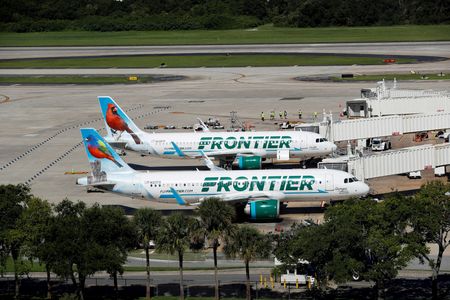
Airlines face the greatest exposure, with jet fuel costs nearly doubling since late February, putting carriers in a difficult position between rising expenses and tickets already sold at lower prices.
JetBlue Airways intends to reduce hiring pace, decrease capacity, and increase ticket prices to minimize damage after reporting larger first-quarter losses that could threaten its recovery efforts.
Nevertheless, the potential for deeper profit margin damage and limitations on passing costs to consumers remains a significant concern.
“If energy prices continue to move higher, basically, every sector of the economy is affected. The cost to manufacture goods goes up, and that means higher inflation which is passed on to the consumer, and that means, a less robust consumer,” explained Peter Cardillo, chief market economist at Spartan Capital Securities in New York.
“In other words, (consumers) pull back on their spending,” Cardillo added.