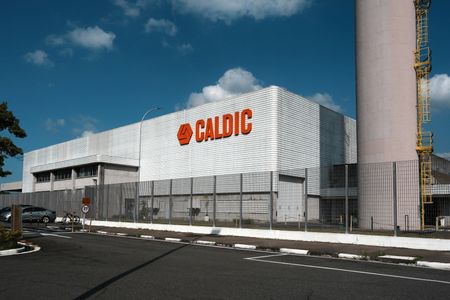

Brazilian law enforcement officials are conducting a criminal investigation into Caldic, an international chemical distribution company majority-controlled by American private equity giant Advent International, over allegations the firm supplied materials for an enormous methanol smuggling operation.
Authorities last year dismantled what they described as a massive $10 billion fuel fraud network operated by Brazil’s most powerful criminal organization, the First Capital Command (PCC), which illegally distributed methanol as automotive fuel through gas stations.
According to a source with direct knowledge of the investigation, Caldic served as the primary methanol supplier in the case under scrutiny.
While law enforcement has not uncovered evidence suggesting Caldic or Advent were aware their products were being misused, the source noted that the investigation by São Paulo state prosecutors highlights how even well-established American investment firms can become inadvertently connected to criminal enterprises that have infiltrated large portions of Latin America’s business sector.
This marks the first public disclosure that the Netherlands-headquartered Caldic faces investigation for potential connections to the fuel fraud network run by the PCC criminal syndicate.
Another distributor, GPC Química, is also facing examination regarding its methanol transactions, though the volumes in question are reportedly smaller than those involving Caldic, according to the source.
The PCC, which originated three decades ago within a São Paulo correctional facility, has evolved into South America’s most extensive drug trafficking organization, operating a money laundering division that has increasingly penetrated legitimate business sectors including real estate, financial technology companies, and fuel distribution.
The criminal organization has created diplomatic friction, with the United States urging Brazil’s government to designate it as a terrorist entity as part of a broader regional approach to combat transnational gangs engaged in what officials term “narcoterrorism.”
Prosecutors plan to file formal charges in the methanol investigation by June and continue assessing the scope and character of Caldic’s involvement in the operation, the source revealed, noting the company could face civil litigation while employees might encounter criminal charges.
When questioned about the criminal investigation, Caldic issued a response through its Brazilian division Quantiq, stating the company is “cooperating with investigators” and “is firmly committed to the highest standards of compliance and integrity.” The statement added that an internal review discovered no misconduct by company leadership.
GPC Química, which neither confirmed nor denied being under investigation, informed reporters it operates “strictly following the legislation and current regulations.”
Advent, consistently ranked among America’s ten largest private equity companies, stated the investigations do not directly involve the investment firm, emphasizing it “conducts all of its business with the highest integrity, and holds its portfolio companies to the same high standards.”
Brazil’s fuel oversight agency ANP announced it has initiated an ongoing “administrative proceeding” to examine Quantiq’s methanol transactions. Internal documents from that separate regulatory investigation, currently sealed, reveal it was prompted by the criminal probe and references prosecutors’ initial conclusions, including electronic communications between Quantiq staff and individuals connected to the PCC.
The regulatory body has already limited Caldic’s methanol distribution in Brazil and could potentially revoke the company’s authorization to handle the substance, according to ANP records.
Methanol, a regulated chemical in Brazil, poses dangers to vehicles and can be fatal to humans. Beginning in 2024, ANP made distributors accountable for improper use of the substance by their clients.
An ANP document from November, obtained from the regulator’s confidential investigation, indicated nearly 25% of Quantiq’s methanol transactions triggered concerns because the listed purchasers, including some connected to the PCC, were either non-operational, never received deliveries, or had no apparent need for the quantities bought.
The document accused Quantiq of failing to establish basic compliance procedures, thereby enabling “the irregular methanol trade, with potential risk to public health and to the regular supply of fuels.” These allegations have not been independently confirmed.
Responding to inquiries about the document’s findings, Quantiq stated it would not address speculation, anonymous sources, or partially disclosed information.
The São Paulo prosecutors’ office refused to discuss specifics of the ongoing sealed investigation.
Both methanol and ethanol play crucial roles in Brazil’s expanding biofuels sector. Methanol serves in small amounts for biodiesel manufacturing, while ethanol functions widely as both an additive and gasoline replacement in Brazilian vehicles.
Since methanol typically costs less than ethanol, criminal actors can blend the substances to increase profits from fuel sales, explained Carlo Faccio, director of ICL, an industry organization established to fight fuel fraud in Brazil.
During the multi-billion-dollar fuel fraud and money-laundering scheme targeted by officials in August, PCC members obtained methanol to contaminate fuel distributed to suppliers and gas stations, the government reported.
Among those served with warrants were two individuals who had been employed for more than ten years at Quantiq, the Caldic subsidiary, according to documents from the ANP investigation. These workers, who held non-executive positions, exchanged electronic messages arranging methanol deliveries with people directly tied to the PCC, the investigation source confirmed.
The company reported its internal review found “no indication of involvement by Quantiq’s representatives or management” in the alleged methanol smuggling, declining to elaborate on specific accusations. Quantiq refused to share audit documentation or identify who performed it, and the findings could not be independently verified.
During the previous year, Quantiq ranked as Brazil’s second-largest methanol importer, trailing GPC Química, based on ANP statistics.
ANP investigation records showed Quantiq distributed approximately 190 million liters of methanol between January and August of last year.
Hundreds of these shipments, which Quantiq brought through the Paranaguá port in southern Brazil, failed to reach their designated recipients, according to financial tracking information examined by ANP officials in their sealed administrative review.
Quantiq also delivered methanol shipments to companies that had ceased operations or lacked clear purposes for the chemical, ANP determined.
When customers did show legitimate uses, ANP officials discovered several purchased far more than their documented requirements.
For instance, Quantiq sold roughly 25 million liters over eight months to a purchaser that informed ANP in October it uses approximately 630,000 liters of methanol monthly, the ANP documents indicated. The destination of the excess amount could not be determined.
In November, ANP prohibited Quantiq from methanol sales while examining issues identified by last year’s criminal investigation. ANP also referenced a regulatory review into similar problems in 2023, when it advised the company to enhance its compliance procedures.
Regarding ANP’s recent conclusions, Quantiq said it maintained compliance and client verification processes, “incorporating regulatory recommendations.”
In February, the regulator permitted Quantiq to restart limited methanol sales to designated buyers under new protective measures, pending a final decision based on its continuing administrative investigation.