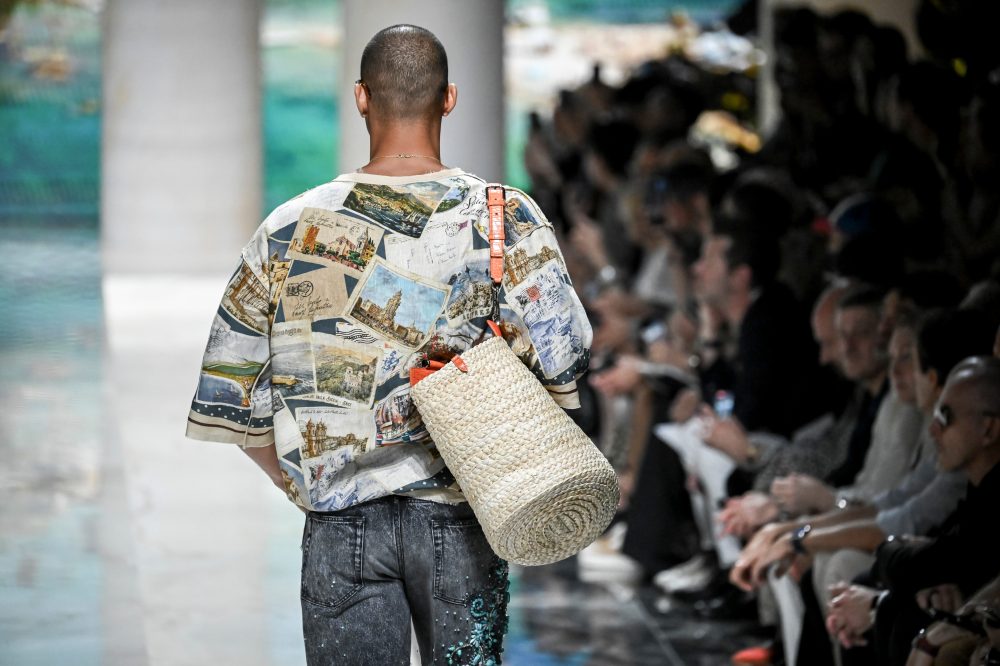

MILAN (AP) — Shoppers are slowly returning to high-end fashion, accessories, and beauty products despite ongoing global uncertainty, and that cautious comeback is expected to push the luxury goods industry back into growth territory this year, according to a report released Thursday by the Bain & Company consultancy.
Global personal luxury goods sales are projected to climb between 2% and 4% in 2026, reaching somewhere between 365 billion euros and 373 billion euros — or roughly $415 billion to $424 billion — after finishing last year at 358 billion euros. That would mark the end of a two-year stretch of declining sales. The Americas are expected to drive the turnaround, with certain U.S. luxury brands already reporting first-quarter growth of up to 15%, according to Bain’s semi-annual industry study.
“People are still alive and want to live their better lives,” said Claudia D’Arpizio, a partner at Bain and co-author of the report. “So there is this mega trend of looking for good quality of life, of improving their lives and finding the meaning and living the experiences that is stronger than the fear of the future.”
D’Arpizio noted that after a backlash from consumers who grew frustrated with dramatic price increases, luxury brands have stabilized their pricing and introduced more accessible entry-level products. She described the current environment as “a healthier situation vis-a-vis two years ago,” though she cautioned that brands will still need to work hard to win back “customer love that has been a little bit broken in the previous years.”
Bain’s base-case forecast assumes that conflicts in the Middle East will stabilize, that local shoppers will help make up for inconsistent tourist traffic, and that demand in China will gradually recover. If conditions worsen, the consultancy’s downside scenario calls for flat growth. On the other hand, if geopolitical tensions ease and China’s market accelerates, growth could reach as high as 6%.
In the United States, consumers — particularly those under 35 years old — are spending on everyday casual clothing, jewelry, and beauty items. China is expected to return to growth, boosted by online sales of ready-to-wear clothing. Europe, however, is trailing behind largely because geopolitical tensions have reduced tourism. Even in Dubai, local residents have been heading back into stores.
“People want to live a normal life, that’s a stronger feeling,” D’Arpizio said.